The Cornell Seven Case | We’re Asking The Wrong Questions

"The internet quickly rushes to certainty."
- Chalene Johnson
episode
Description

The Cornell Seven case raises questions beyond the allegations surrounding an October 2024 fraternity encounter, including what consent means when alcohol, drugs and incomplete memories enter the picture. Chalene Johnson explores why Jane Doe’s reported text messages have fueled competing narratives, and what screenshots can leave unanswered about sexual consent.

For parents and grandparents of Gen Z and Gen Alpha, Chalene examines research from the Children’s Commissioner for England and Common Sense Media about pornography exposure, sexual expectations and body image. School Chromebooks, Snapchat and AI pornography bring another question into focus: how much do adults really know about the sex education kids are getting online?

Topics discussed: Cornell University, coercion, incapacitation, sexual trauma, parental controls, school devices, Patreon.

with
episode
Questions

How quick are you to believe what you see or hear on Social media?


How much do you really know about what your kids see?


Would your kids tell you if they accidentally saw porn?


How sure are you that those parental controls are working?


episode
Timestamps
00:00:00

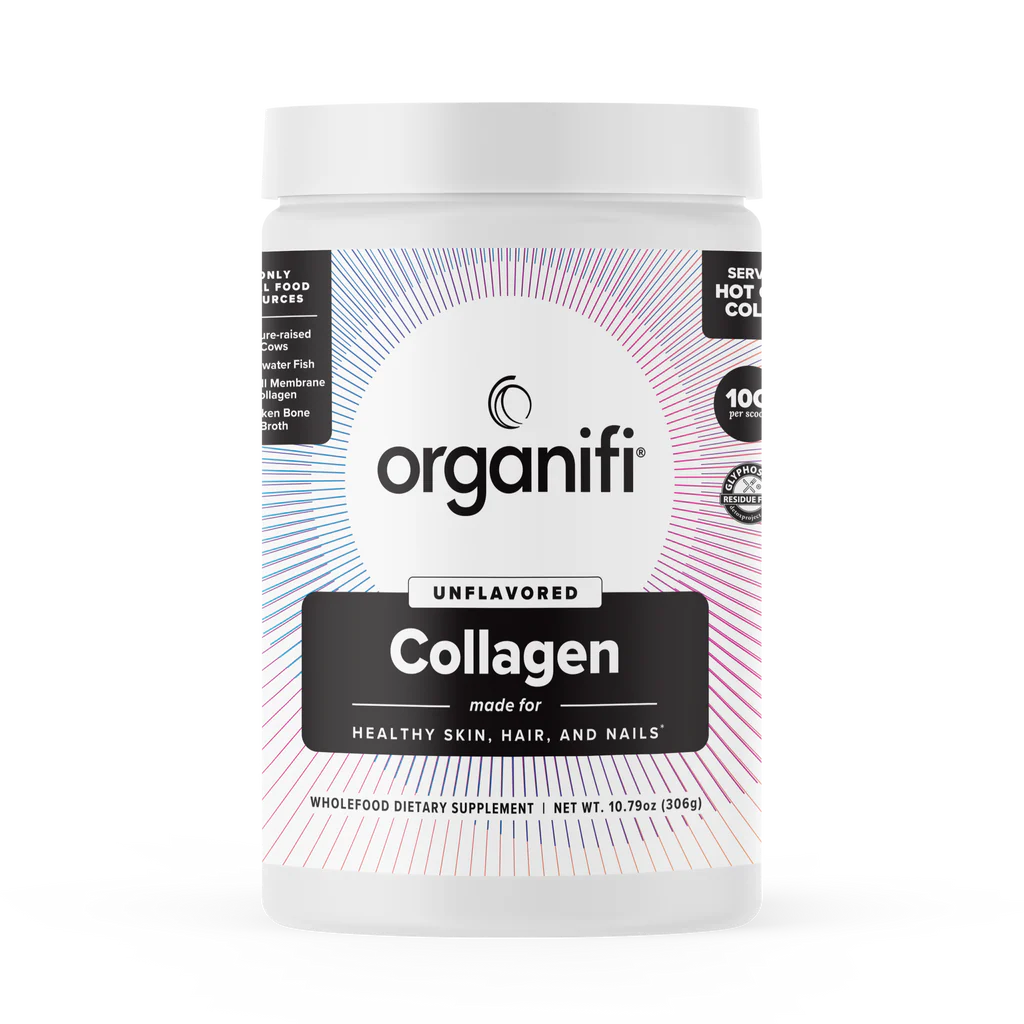
Organifi Happy Drops and saffron

[00:00:00] Chalene Johnson : Hey, before we get too far, I know I’ve talked a lot about the supplements that I take in powder form. There’s a lot of them, and there’s, of course, the things I take in capsule form, but I also take a few things in gummy form. And one of the things that I started taking about a year ago, actually when we were in Europe last year, is saffron.

[00:00:21] Chalene Johnson : And I started taking it because I heard about quite a few studies that demonstrated that saffron made significant improvements in people’s– their ability to reduce their anxiety, to feel more relaxed, to have mental clarity, and of course, that’s gonna improve your sleep, right? Because that’s one of the main reasons why so many of us struggle to sleep at night.

[00:00:46] Chalene Johnson : You lay down and your brain just doesn’t stop spinning. So anyways, I looked into it. You know me, I love to see a good study, and there’s been a ton of them. In fact, April through July twenty twenty-five, this is brand new, a randomized, double-blind, placebo-controlled study looking at the impact of taking saffron daily for just three months, and the results, I can tell you, were pretty astonishing.

[00:01:15] Chalene Johnson : A marked decrease in depression, anxiety, and stress. Seventy-two point three percent of the participants in the saffron group achieved significant improvements on their mental state, so talking about having less anxiety, and of course, that I think is one of the reasons why it contributes to fewer sleep disturbances for those especially who are taking the saffron.

[00:01:39] Chalene Johnson : So listen, I’m definitely not telling you to go off your SSRIs, and if you’re on an antidepressant, that’s awesome. But if you’re one of those people who you’ve been thinking like, “I don’t know. I don’t know what it is, I just… I don’t feel as happy as I usually am,” or, “I just feel kinda meh,” you know what I’m talking about.

[00:01:55] Chalene Johnson : You can’t put your finger on it, but you’re like, “I’m just not as happy,” or, “Maybe I’m dealing with more anxiety,” or, “Things are bugging me more than they usually do.” You’ve heard me talk about Organifi for years, and Organifi came out with a saffron gummy that’s actually very, very tasty. So I am going to encourage you, if, if you’re already a customer of Organifi, next time you go to place an order, go to organifi.com/chalene.

[00:02:23] Chalene Johnson : Use code Chalene. That always gets you twenty percent off. I take their Immunity daily. I take Pure daily. I take their collagen daily. All of these things are on the regular, and again, I started taking the Happy Drops. I don’t take those daily, but I’d say I take them, like, three, four times a week And I’ve noticed a difference.

[00:02:47] Chalene Johnson : So I want you to check them out. Try them the next time you’re over at Organifi, or just go there right now. Go to organifi.com/chalene. You get 20% off when you use code Chalene, and we love Organifi. So it’s O-R-G-A-N-I-F-I.com/chalene for 20% off. Yo. So before we get into today’s episode, just a heads-up, we are going to be discussing sexual content, consent, alcohol use, drug use, young people’s exposure to pornography.


00:03:20

Cornell Seven and content warning

[00:03:20] Chalene Johnson : If those topics hit too close to home, if it’s just not an appropriate environment right now for you to be listening to this, please take care of yourself. This one is one you probably wanna listen to without little ears around. What kicked off this topic for me, obviously, is the case of the Cornell Seven, but it’s gonna go far beyond that, because some of the research I discovered in preparing for this episode, and what I learned about kids’ exposure to pornography, is genuinely shocking, including what the girls are reporting and what they’re watching.

[00:03:54] Chalene Johnson : And if your first thought is, “Oh, well, I don’t need to worry about that, my kids aren’t allowed to be on their phones,” or the, they don’t have devices. “My grandkids are not allowed to use devices. There’s lots of parental controls.” In this episode, you’re gonna learn that home is only one place where we need to protect our kids.

[00:04:13] Clip: Jennifer Walker says the technology taught her seven-year-old about things she never imagined. It happened yesterday. Her teacher sent her this picture of the porn site her son was looking at. Walker says this is the third time it’s happened at school. It’s even led to an investigation by Child Protective Services.

[00:04:31] Clip: But she says at home, her son isn’t even allowed to watch PG-13 movies.

[00:04:37] Chalene Johnson : To be clear, before we go much further, I am certainly not going to suggest that what has allegedly happened in the Cornell case has anything to do with pornography. It’s, it’s just, it’s one of the topics I think needs to be discussed, and this case brings up a lot of those topics.

[00:04:53] Chalene Johnson : And so this episode is really not to break down all of the details that are currently being aired in the court of public opinion. Rather, I think there’s a bigger opportunity here for us to have conversations that might help us to understand, and might help us to avoid these kinds of things in the future.


00:05:13

Cornell Seven and the pressure to take sides

[00:05:13] Chalene Johnson : All right, let’s get to it. Okay, so a trigger warning, obviously from looking at the title, you can see that we’re gonna talk about the Cornell Seven. But the way I want to share it today on the episode is without as much probably graphic detail as you’ve heard other people discuss. I wanna talk about this in a much grander scheme, and before I do, I just wanna say that one of the reasons why I have not talked about this until today is because, and I think this is wrong, I think that there is this trend that anyone who has a platform needs to come out with their opinion and take a stance on whatever the topic is ASAP And the public starts to demand it.

[00:05:57] Chalene Johnson : I’ve gotten lots of messages from people saying, “You know, your silence is violence. If you actually stand for women and women’s rights, how are you not talking about this case?” Well, I have a problem with that idea. I have a problem with the idea that anyone owes someone else, including the public, an opinion about something you know nothing about, or you know very little about.

[00:06:23] Chalene Johnson : I have influence because I have people who listen to this show. I- I’ve got a social media platform, and with that influence, I have learned the hard way, is a lot of responsibility. People take what I say seriously. They take it as fact when sometimes I don’t have all the facts. Please know I’m not a journalist, so I do my best to prepare for these shows, but nothing I say should you ever take as factual.

[00:06:49] Chalene Johnson : I just don’t think it’s appropriate for me to talk about cases or to share my opinion on things when… that is this important. Yeah, sure, I’m gonna share my opinion on stupid pop culture things that happened on Bravo last night. Okay, briefly, for anyone who hasn’t followed this, I want to give you a quick recap so you know exactly what we’re talking about.


00:07:08

Cornell lawsuit and reported text messages

[00:07:08] Chalene Johnson : In case you haven’t been paying attention to the news, a former Cornell student, who is being identified as Jane Doe, alleges that she had been sexually assaulted at a fraternity house in October of 2024. When it happened, she was incapacitated by alcohol and drugs. Now, she has opened a civil lawsuit, which is not a criminal lawsuit, a civil lawsuit, and named seven men, including Cornell University and other defendants.

[00:07:41] Chalene Johnson : The accused men completely dispute her account and the allegations against them. The story has become wildly popular. I hate to use that word, but I n- I mean, just everyone’s talking about it. How about that? Viral, shall we say. The accused men have a completely different take on what happened to them. Now, Cornell University conducted their own disciplinary investigation.

[00:08:07] Chalene Johnson : The different students have each faced very different outcomes, and the public, when this first released, the case, like I said, it drew national coverage. But most of the conversation initially was just on her allegations. I mean, it was being reported that seven men in a fraternity attacked and brutally raped a woman, a coed.

[00:08:32] Chalene Johnson : I mean, you hear something like that, and who would not be outraged? How could you ever hear something like that and think any part of that could be okay, or that there could be another story, or more nuance, shall we say? But more and more records have been coming out, and this is what has changed the narrative.

[00:08:53] Chalene Johnson : And as per usual, people taking sides and deciding what happened, and attacking each other for not believing the other side, or for making things up. It’s just, again, another story that’s created massive division. These text messages have been coming out. Text messages, or I should just say messages, ’cause I think some of them are screenshots from Snapchat, some of them are text messages.

[00:09:21] Chalene Johnson : That has changed the narrative, it has widened the debate. The text messages express affection for the men by Jane Doe. In one of them, she actually says, “90% of what happened wasn’t illegal.” Okay. Was 10% of it illegal? And what percentage of it, if it’s illegal, makes the rest of it okay? These are the kinds of conversations we need to have.

[00:09:51] Chalene Johnson : Her attorney has disputed the conclusions that the messages establish anything. Meanwhile, New York’s attorney general has been appointed the special prosecutor, and Cornell has commissioned an outside review of its responses, in large part because of the public’s outcry. This is where things stand right now as I’m recording this.

[00:10:14] Chalene Johnson : There’s a lot more specific details I could give you about the case, the text messages, the timeline, et cetera, but that’s not my goal. That’s not the objective of this episode. When it comes to cases like this where the things that people are saying about those involved could permanently destroy their lives.

[00:10:33] Chalene Johnson : People take their lives every day, especially young people, just based on the opinions of strangers on the internet. So I just think it’s irresponsible. I can care very much about a case, about a story, about a cause, without telling you I know what happened. Because I think the wiser choice for me is to use my platform to ask questions, to have a conversation without declaring who’s guilty or who’s innocent, or how we should think about things.

[00:11:06] Chalene Johnson : My goal is always to help us, because this is the way my brain works, and so if this doesn’t work for you, if you want someone who’s more opinionated on everything, great, I’m probably not it. Because the one thing I do hold a strong opinion on is that there’s more than one side. I hope that we can change the narrative around this idea that people are supposed to quickly take sides and have opinions, and we need to restore decorum.

[00:11:34] Chalene Johnson : Far more responsible it is for people to say, “I don’t know You know, when I go to my doctor, if I ask him a question or her a question, I don’t think less of them if they say, “I don’t know.” In fact, I’m probably gonna think a lot more of them, and I like working with doctors who will actually say that to me, like, “I don’t know, but I’m, I’m gonna research it and I’m gonna get back to you.”


00:11:54

Social media and the rush to judgment

[00:11:54] Chalene Johnson : That makes me feel much more comfortable. We’re gonna talk about what the conversations I think the Cornell Seven incident has brought up, and the first thing that it has reiterated for me is how dangerous it is that the internet quickly rushes to certainty, that the narrative changes every couple of days, and then therefore, not only are the people involved, certain people being canceled, but anyone who’s had an opinion based on the information they had at that time, and they’re forced to share their opinion, and now new information is out and that’s changed their opinion, but that person’s already been canceled because they had an opinion that doesn’t line up with the new information.

[00:12:35] Chalene Johnson : And now we’ve got one screenshot, and now this person has decided, oh, this woman is lying based on this screenshot, or this woman consented based on this screenshot, or this person was in the room based on this screenshot, and this screenshot proves X, Y, Z. Well, meanwhile, none of us even know, first of all, if these screenshots are real or what actually happened in the room, and what went into sending these screenshots.

[00:13:03] Chalene Johnson : We’ve convicted and we’ve chosen sides just based on social media and the sharing of screenshots. And not just the screenshots, but the things that other creators who are not journalists and not investigators are reporting that has happened, not just that night, but in the past and after the fact. What I wanna talk about as it relates to this case is kind of beyond the current outrage Because I think that when stories like this happen, there are opportunities for us to discuss it right away without having to take a side.

[00:13:43] Chalene Johnson : And when I say discuss it, like, meaning discuss bigger issues that it brings to the surface. For example, with the Lindsey Clancy case, I think immediately it was an opportunity for us to talk about postpartum care. Instead, that’s just not that interesting. Everybody rushed to alternative theories of what happened that night with the family.


00:14:07

Gen Z, Gen Alpha and pornography exposure

[00:14:07] Chalene Johnson : But this story, the conversations we need to be having, in my opinion, about a generation that we don’t actually know what they have experienced. I think that this gives us an opportunity to talk about the fact that Gen Z and Gen Alpha have been exposed to pornography at an age where you and I were still watching Little House on the Prairie, that we need to have conversations around consent.

[00:14:39] Chalene Johnson : It is so clear to me that men don’t understand consent Or a person’s ability to change their mind. They don’t understand coercion. I think maybe we as women don’t understand a lot of things about men as it relates to sex. There’s more conversations that need to be happening. I think this case brings up a real opportunity for parents, I keep hearing people say, for parents to talk to their kids about making good decisions, and using drugs, and not being impaired, and not drinking, and I think we’re missing the point.

[00:15:15] Chalene Johnson : I think this is an opportunity for us to figure out, to understand what the impact has been that these kids, our younger generations, have been exposed to a violent and extreme, in many cases, form of sexuality in the form of pornography that isn’t something they have to seek out, and they’re not gonna find it in the bottom of their dad’s drawer.

[00:15:40] Chalene Johnson : They find it by just opening up their phone and trying to go to a friend’s Instagram account or sending a Snapchat message. Recent studies seem to indicate that this younger generation has been traumatized, and we don’t even know the extent to which they’ve been inadvertently exposed repeatedly to this kind of content, and the impact that it’s had on their own beliefs around consent, around what’s normal, around what women want, what men want, what expectations are, and the performance nature of sex that has nothing to do with intimacy.

[00:16:19] Chalene Johnson : ‘Cause one thing we can all agree they have not been exposed to is the love, and the connection, and the intimacy that makes sex between two loving, consenting partners so beautiful. These kids have been exposed to extreme performance, the extreme explicit marketing of sex as a performance. This topic is really triggering for a lot of us.


00:16:45

Sexual trauma and changing perspectives

[00:16:45] Chalene Johnson : When this story first broke, I’m just gonna share with you through my own lens, I was having a conversation with a friend who has been the victim of sexual assault at a very young age. Just hearing about this story took her all the way back, and it became really emotional for her When we were sharing, like, you know, she was talking to me about how just, like, seeing it covered in the news, how it just really, I don’t wanna say distract her, like basically took her all the way back, how upsetting it was.

[00:17:17] Chalene Johnson : Some of the things she shared with me about, even though she knew very little at the time about this case, it really brought up a lot of her own history, and I think it does with anyone, especially for women. Maybe for men, I don’t know. I can only speak to my own experience. But I know there’s things that I experienced as a young woman that I didn’t think were that big of a deal maybe at the time, or maybe I just tried not to think about them.

[00:17:47] Chalene Johnson : This story makes me rethink things that maybe at the time I thought were okay I think it’s an important conversation for us to have around trauma, that it’s not uncommon for people to think something’s normal and then later realize it’s not, and it wasn’t okay. I think women are especially vulnerable to being good girls, and by that I mean, like, don’t complain, go with the flow, don’t rock the boat.

[00:18:19] Chalene Johnson : You wanna be likable. You don’t want a label. You certainly don’t want a label of being a or being easy or being a liar or somebody who comes from a different socioeconomic background who’s trying to turn this into a money-making opportunity. We all have very specific experiences, and because of that, when we’re hearing information, our brains, whether we realize it or not, it filters out those things that contradict our own beliefs, and it searches for things that support our beliefs.

[00:18:53] Chalene Johnson : Again, without going into too many specific details of this case, I’m gonna talk about general terms and general things that are dividing people, and one of those is the fact that Jane Doe did not immediately go to the police. The other thing that’s being called into question is when she may have had a different perspective or taken a different view on what happened that night, and that therefore, because she has changed her opinion about what happened to her that night and how she looked at it immediately after the event versus later, that that therefore proves that she’s lying or that she’s, quote, “changed her tune” because she was ashamed or she felt shunned.

[00:19:37] Chalene Johnson : She was embarrassed. She saw an opportunity. I mean, there’s so many different opinions that people have about the fact that her timing on going to report this and also the messages that she sent immediately after it versus the allegations that she’s making today, and people are associating that difference with her guilt or innocence or whether or not this actually happened.

[00:20:05] Chalene Johnson : And so the first thing I want you to do, whether it’s the alleged victim or the alleged assailants, I want you to ask yourself, have you ever looked back at something and thought to yourself, at the time, everything seemed okay, and now you know something more, you have more information, and you feel very differently about something?

[00:20:27] Chalene Johnson : Of course And especially as you get older, especially as you have more information, you gain perspective, you change your perspective. You can find out something later that you didn’t know at the time, and it changes exactly how you feel about an experience. It could have happened 10 years ago, or it could have happened on Tuesday, and now you’ve got more information.

[00:20:49] Chalene Johnson : You’re like, “Wait a second. Okay, no, this is not what I thought it was. This is wrong.” I mean, let’s just say, for example, I agreed to let a brand use a video of me for their private training or something, and then I find out later that that video was used for millions and millions of dollars worth of advertisements or something.

[00:21:10] Chalene Johnson : But I said yes initially. I said yes. But what did I say yes to? Because it wasn’t actually what I thought they were going to do with it. Does that make sense? Or maybe you told me I didn’t have a choice, that I had to go along with it, and then I later learned out that I actually didn’t have to go along with it.


00:21:30

Sleep Breakthrough and menopause sleep

[00:21:30] Chalene Johnson : I did have the right to tell you you can’t use my video that way. If you’re a woman who is in hormone decline, meaning perimenopause, menopause, every single hormone impacts your sleep. That is why 80% of women who are perimenopausal and older have sleep disturbances. Say that it’s one of the things that just absolutely wrecks their energy, and it does.

[00:21:59] Chalene Johnson : For those of you who’ve tried melatonin and you’re like, “It just, I don’t know, makes me have weird dreams,” or, “I feel groggy in the morning,” I’ve done some research, ’cause I used to think like, “Are people just saying that?” No, it is a thing And I think we just assume melatonin is what we need, but your body produces melatonin.

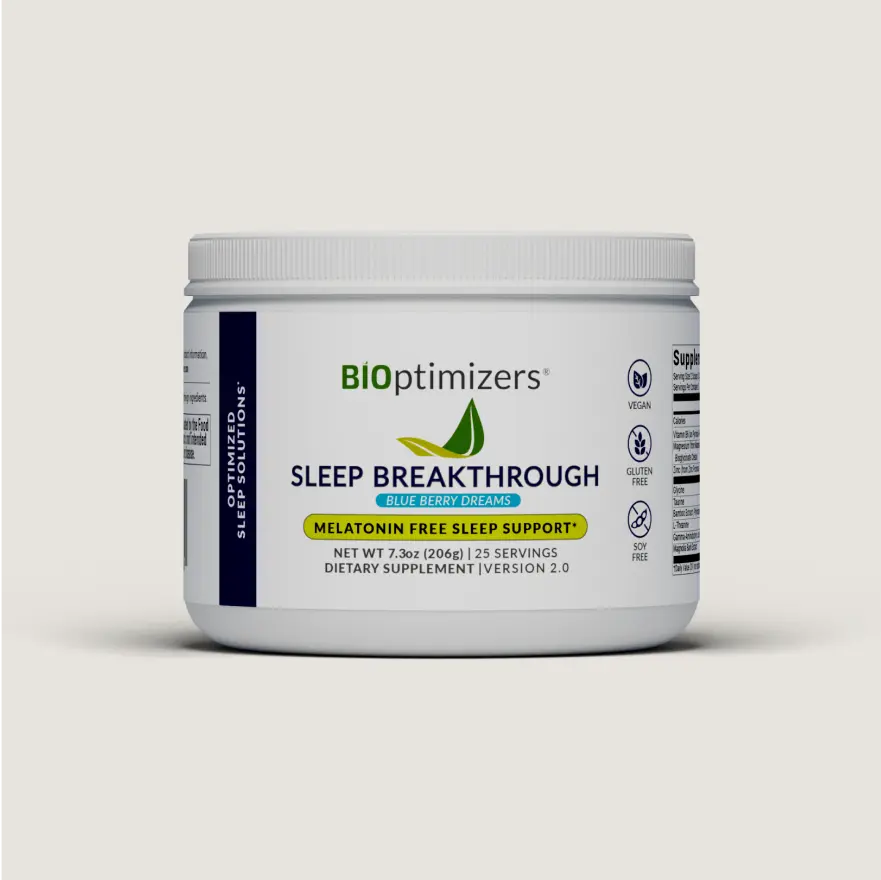
[00:22:15] Chalene Johnson : If you are sensitive to it, I wanna share with you… Well, it’s actually one product. It’s called Sleep Breakthrough, but they have two different formulas. Okay, so when you go to this link, I’m gonna give it to you, and it’s really important you go to this link so you can find them, otherwise you kinda have to look around.

[00:22:30] Chalene Johnson : So please remember to go to chalene.com/sleep, and that’s gonna take you exactly to where I want you to be. So they have two different formulas. Let me explain this. The blueberry formula is designed for deep sleep, and deep sleep is what you need for your body to feel restored, for your body to be recovered.

[00:22:53] Chalene Johnson : This formula’s also been designed to help you, like, fall asleep faster. And when you have deep sleep, that’s why you can wake up, and even if you didn’t get a lot of sleep, if you got good deep sleep, you’re gonna wake up and feel like, “Oh, wow, I actually feel good.” And I can tell you that this is true by looking at my sleep ring scores.

[00:23:10] Chalene Johnson : Okay, then they have a second formula. It’s the tropical, okay? Now, the tropical, it’s got different ingredients. This one is going to give you more REM sleep, so you’re gonna have enhanced dream activity, but there will be no grogginess because there’s no melatonin in it. It’s got magnolia. It’s got all these other natural ingredients that are non-hormonal that help you to stay asleep longer.

[00:23:37] Chalene Johnson : For me, again, this is just my personal preference, I have both of them, and instead of doing two scoops of one, I do one scoop of each ’cause I need the deep, and lately my issue has been I’ve been waking up too early, and I can’t fall back to sleep. So I just do one scoop of each. It’s the blueberry and the tropical.

[00:23:55] Chalene Johnson : That’s fine. They go great together. Now, this is a weird hack, but this is how I like to do it, like a bedtime cocktail. I put a splash of my oat milk coffee creamer, sweet cream, in it. Oh. And I serve it over ice, like it’s a shot, and it’s lights out. Stuff is great. I tested it for- almost 45 days before I ever talked to you about it, and then I wanted to try the other formulation to see, okay, which one do I like better?

[00:24:22] Chalene Johnson : And I wish I could tell you, like, one or the other, ’cause they do both serve different purposes. But I’m like, if you’re gonna go for it, get both and just do a scoop of each. You won’t regret it. And they do have different ingredients. There’s some overlap, but they both have a little bit of magnesium, potassium, glycine, taurine, bamboo leaf, L-theanine, what do you call it, magnolia bark.

[00:24:43] Chalene Johnson : But they’re both a little different, so they will each serve a different purpose. And of course, because you’re a listener of the show, you get my discount plus, honestly, this is a great way for you to support the show, and I very much appreciate you doing so and getting great sleep. Go to chalene.com/sleep.


00:25:00

Consent, missing information and memory gaps

[00:25:00] Chalene Johnson : Okay, let me give you another hypothetical. Let’s say that you have a loved one who goes into a surgery. Okay? This is a, a surgery where unfortunately your loved one passes away, and the doctor tells you after the surgery, “Hey, we did everything we could do,” and you signed a consent. You signed a consent that you wouldn’t sue the doctor.

[00:25:20] Chalene Johnson : They tried to save your family member’s life. Unfortunately, they passed away. You feel a certain kind of way towards this doctor. Maybe you even write an amazing, I don’t know, Yelp review talking about how this doctor that performed the surgery tried to save your family member, did everything in their power.

[00:25:38] Chalene Johnson : And then later you discover that the doctor Who you thought had performed the surgery wasn’t even in the surgical center, that they had actually allowed somebody else who wasn’t a medically trained professional to perform the surgery. But that’s not what you had consented to. You had consented to the doctor performing the surgery, and then you…

[00:25:58] Chalene Johnson : Even the praise that you had for the doctor was because you thought there was just that doctor in the surgical OR, but you later found out that there were people who you didn’t consent to operate on your loved one that had operated on them. I know this is like a stretch. I know this is a hypothetical, but no one would say to you, “Okay, listen, you once said that that doctor was amazing.

[00:26:20] Chalene Johnson : Obviously, then you wanted this to happen. Obviously, therefore, you were happy about the whole thing.” No, that person may have left a positive review and had positive feelings towards that doctor until they got new information. And I’m not saying any of this is the case in the case we’re discussing or that we’re referencing today, but I want you to always consider that there’s more than one side to every story.

[00:26:48] Chalene Johnson : It has also been widely reported that everyone was intoxicated, that there was an excessive amount of alcohol and drugs involved, and no one is disputing that. And if you’ve ever had a little too much to drink, I think we’ve all had the experience where you wake up the next day and you remember most everything, depending on the degree to which you were drinking.

[00:27:11] Chalene Johnson : But there’s parts that are fuzzy, or maybe you drank so much that there are parts that are absolutely missing. You don’t even recall them, or they’re buried, and then someone says, “That was so funny when you did XYZ.” And it’s not until they say that, that you then remember that part of the evening. You might have thought you actually had a great time and you hadn’t made a fool out of yourself, until somebody fills in the gaps for you and you realize your memory of that experience was very different perhaps than the reality.

[00:27:43] Chalene Johnson : All of these things could be happening in this case. And again, this is so complicated because it involves sex, because it involves consent, because it involves power, because sometimes it’s not a revelation. Sometimes it’s just you have a healthier relationship and a better understanding of what it means to be punished for saying no And it just gives you a different perspective.

[00:28:13] Chalene Johnson : Again, I’m not saying that is the case in this case. I’m saying each one of us has had an opportunity in our lives when we have a different perspective on something that happened. And when it comes to consent, suddenly a lot of people don’t seem to be willing to allow for that possibility. Well, you said yes.

[00:28:32] Chalene Johnson : Well, you texted him afterwards. Well, she didn’t seem upset. Well, he said, “I wanna be there for you.” Okay, what did these people understand at the time? What were their motives? What information did they obtain later? And trust me, I’m not picking sides in this case. I don’t know what happened. I’m just saying you have to look at both possibilities on both sides when n- none of us were there, and I think we all need to suspend judgment.

[00:29:04] Chalene Johnson : We don’t know what conversations may have happened with the other men that came in the room. Were people misled? Did something happen beyond what people agreed to? The public can treat sometimes a first reaction like it’s a contract, as if you are never allowed to change your opinion, your perspective, or to revisit it, even if you have new information.


00:29:28

Regret, coercion and sexual consent

[00:29:28] Chalene Johnson : That does not make any sense. Changing how we understand an experience, changing how our brains understand something later that happened to us earlier doesn’t necessarily change the facts of what happened. Keep that in mind. And there’s an important distinction to make here. You know, regretting something that you freely agreed to doesn’t by itself mean that you didn’t consent.

[00:29:55] Chalene Johnson : I wish I hadn’t done that is different from I only now understand the pressure I was under, or I agreed to one thing and something more than that happened. I think those are very different conversations, and it’s complicated. You can’t figure out which situation occurred just by pointing at a friendly text or thinking about your own experience 20 years ago.

[00:30:20] Chalene Johnson : Recognizing that doesn’t require us to automatically accept every allegation or to pick a side. This is not ours to decide whether someone was guilty. And when I say this, I don’t just mean this particular case. I mean, in the last couple of years, this keeps happening where a story hits our newsfeed, we have one opinion of it, we all jump on the first side that feels like, okay, we’re gonna be on the right side of history, and then new information comes out.

[00:30:55] Chalene Johnson : And then for whatever reason, the public has decided, oh, you can’t change your mind now. You need to stick with your original instinct. You need to pick a side. But none of us were there, and none of us are on the judge and jury, so does that mean that we should be silent about these things? No, absolutely not.

[00:31:12] Chalene Johnson : I think what I- I’m trying to suggest is that when these types of scenarios happen, it’s an opportunity for us all to be better, more informed humans. It’s so important that we keep this in mind, because right now people are pointing to these text messages as if they indicate guilt or innocence. I’m sure you’ve heard these text messages.

[00:31:34] Chalene Johnson : In one of them, she wrote, “I really liked being with you and Matt.” So she’s saying, “I liked doing the threesome.” In that same exchange, she also appears to reassure one of the guys, like, most of what happened wasn’t, the sexual stuff wasn’t illegal. Many of her follow-up text messages seem to imply that she’s just like a very sex positive individual.

[00:31:56] Chalene Johnson : In one of them, she writes, “My memories are super clouded too,” but she said, “Our bodies, our choices.” And she talked about how people need to be open-minded and like stay out of their business because, I’m paraphrasing here, something to the extent of this type of sexual experience is gonna be more common, and people kinda need to get over it.

[00:32:17] Chalene Johnson : And even if all of those things are her exact words, what does that actually establish? What does that say about her? It might mean that her morals are different than yours. It might mean that she was just trying to make this one person that she maybe really did like feel less culpable. Maybe she’s describing a memory, but she doesn’t have the whole picture herself.

[00:32:42] Chalene Johnson : And if hypothetically an individual agrees and consents to something that sounds kind of crazy like, let’s say a threesome or a foursome And then they are later, because they’re drinking and taking drugs, they become so inebriated that they can no longer provide consent, and now the same type of activity’s going on, but now there are people there that this person isn’t aware of and did not consent to them.


00:33:10

Alcohol, incapacitation and consent

[00:33:10] Chalene Johnson : That is not okay. Those individuals did not have consent. But now let’s talk about the boys. There’s been quite a lot of, I guess you could say, support for these young men from certain individuals who are like, ‘Wait a second, this is just this type of girl, and how fair is it for these boys who were equally inebriated?

[00:33:34] Chalene Johnson : How would they have known that she wasn’t consenting if her behavior was XYZ?’ And that’s another question we have to ask about The intoxication. What happens when both people are so drunk, so high, so intoxicated, that they don’t even know whether they asked for consent, if they got consent, if the consent was legitimate?

[00:33:59] Chalene Johnson : How are they supposed to assess somebody else’s condition when their own judgment is impaired? And it’s so ridiculous that we expect, and we’re having these conversations, like, you know, make sure you ask for consent, but can a woman be expected to be making rational… Can she be coherent enough to give consent if she’s wasted, if she’s been given alcohol, if she’s been taking it freely, if she’s been given a drug and she didn’t know how strong it wa- Like, all of these things, if she did these things knowingly but didn’t know the impact it would have, is she still responsible for giving consent if she was under the influence?

[00:34:43] Chalene Johnson : Is a person responsible if they drink the alcohol themselves and then they make a poor decision? Should that person then be protected because they couldn’t make a good decision? And if the answer is yes, well then, where do we draw the line when it comes to drinking and driving? How are we supposed to assess somebody else’s condition when our own condition is fully impaired?

[00:35:08] Chalene Johnson : I think that deserves a conversation. Now, under New York’s college standard, drinking alone doesn’t eliminate someone’s ability to consent. Incapacitation means you just cannot knowingly choose to participate, and a person initiating sex, they still have to get consent even if they, too, are heavily intoxicated or using drugs.

[00:35:34] Chalene Johnson : And criminal responsibility is a completely different legal question. Saying we were both drunk doesn’t mean that there’s equal impairment. It doesn’t show what each person did. This is so much more complicated than what we realize. And so then there are parents who are gonna say, “Well, you need to make sure you instill good judgment in your kids.”

[00:35:56] Chalene Johnson : Well, good judgment is not even a thing if we’re talking about substances, if we’re talking about alcohol and drugs. Judgment is no longer on the table I personally think this is an opportunity for those of you who still have influence over your kids, your young adults, the talk has to happen before the party.

[00:36:16] Chalene Johnson : You can say to your son, to those of you who are boy moms, you can say to your son, “Always make sure you get consent. Have them put it in writing, on video.” But the fact of the matter is, if your son is inebriated, he’s no longer gonna use good judgment, and the girl that he’s with is no longer using good judgment if she is inebriated.

[00:36:38] Chalene Johnson : And if both parties are too impaired to understand what’s happening or communicate clearly or assess whether the other person is freely choosing or the level… I mean, I don’t know about you, I don’t drink anymore, but when I was a drinker, I could never tell if other people, unless they were, like, falling down, I couldn’t tell if people were sober or drunk.

[00:36:58] Chalene Johnson : And I know some people can, but when you’re drinking, it’s a lot harder. The conversation that we need to start having with our young people, number one, is to find out, what do they think is acceptable in terms of sex? What do they know about intimacy? What they’ve grown up with and the sex education that our kids have received, we have no idea.

[00:37:22] Chalene Johnson : We have no clue. To tell your kids, “Hey, you need to make sure that you’re sober and that you’re offering consent, and you are asking for consent, and you are both of clear mind,” yeah, you need to tell them that, but the consequences aren’t merely that you could wake up the next day and regret who you were with.

[00:37:39] Chalene Johnson : The consequences are far worse than an STD. The consequences are far worse than being called a or having an awkward run-in with that person later. No, the consequences could mean that you have ruined your life. And yes, you can agree to something and regret it afterwards, and regret doesn’t mean that the other person did something illegal.

[00:38:05] Chalene Johnson : But you can also realize after the fact that something happened that you weren’t aware of, that neither of you agreed to, or that you didn’t agree to, or that you weren’t capable of consenting for. Those are all different situations. This is an opportunity for us, again, not to argue over the specifics and what they mean in this case.


00:38:27

Pornography research and teens’ sexual expectations

[00:38:27] Chalene Johnson : What’s more important, I think, is that we have a conversation about what this generation, Generation Gen Z and Gen Alpha, what they have been exposed to. What these kids were able to find, not even just find, they were just inadvertently encountering pornography on the regular. And what has that taught them?

[00:38:52] Chalene Johnson : What has that taught them about what’s normal, what’s expected, what they’re supposed to enjoy, what they think they’re supposed to go along with? And I’m talking about boys and girls. I looked at two studies in preparation for this episode, and the first one reported that young people’s exposure to extremely graphic pornographic material happens between age 10 and 12.

[00:39:19] Chalene Johnson : Many kids report that their first exposure is as early as age nine. And a substantial number of the respondents say that they encountered it accidentally. They weren’t even looking for it. And when that happens, kids experience extreme amounts of guilt, like they just intuitively know, “Oh, this is bad and I’m not supposed to be seeing it.”

[00:39:39] Chalene Johnson : So what they don’t do is go to their parents and tell them what they saw accidentally. But it leaves an impression in their brains. And what is that impression telling them? What is it telling them about sex, about consent? In our conversations, those of us who lived a far more sheltered life, because we didn’t grow up with technology and the internet, our conversations are not keeping up.

[00:40:06] Chalene Johnson : I want to read you this statistic and it, it just blew my mind. Okay, so in the England’s Children’s Commissioner report, respondents said when they watched pornography 54% of girls agreed with the statement that girls may say no at first, but they can be persuaded to have sex. That was the statement.

[00:40:27] Chalene Johnson : Girls may say no at first, but they can be persuaded to have sex. 54% of the young girls who responded to this survey agreed with that statement. Now, here’s the part that was pretty shocking. 41% of boys agreed with it. Okay, so that means 60% disagreed. And this survey was of people ages 16 to 20. Now, what does persuaded mean in these young people’s minds?
[00:40:57] Chalene Johnson : Are they picturing a freely being able to change your mind? Is that what they’re picturing? Or are the girls responding to this thinking, “I’m supposed to say no at first. I would be called a or I would be looked at differently by the boy if I immediately said yes.” We don’t know because we’re not having these conversations with these kids.

[00:41:17] Chalene Johnson : We’re afraid to talk about this stuff, but they’re already being exposed to it. So w- we don’t know what that sentiment even means. Does that mean that they will be more into it if you keep pushing or does that mean that they think they’re supposed to give in? I don’t know. But when girls agree with that statement- Are they endorsing it?

[00:41:42] Chalene Johnson : Or are they describing something that they’ve just come to expect? We need to know. That’s a conversation I think we should be having. I don’t have any statistics for this, but my own personal observation has been, in the last five years, every time we’re hearing about a sexual assault performed by multiple men on one woman, it is with this age group.

[00:42:05] Chalene Johnson : Correct me if I’m wrong, ’cause I, I might have it wrong, but I can’t think of an incident that’s made national news in the last five years that was men older than 25. They’re all Gen Z. What is this saying about their expectations and the way their early exposure to pornography has shaped their beliefs?

[00:42:27] Chalene Johnson : Here’s some more pretty insightful statistics from those surveys. 38% of boys believe that girls are going to pretend that they don’t want sex when they really do. 27% of the female respondents said that that was true. 27% say that they pretend that they don’t want it when they do. And again, these are based on their beliefs.

[00:42:50] Chalene Johnson : 82% believe that pornography affected their expectations. 75% said it affected their body image. And you might be wondering, where are they watching this? Or you might be thinking, “I don’t have to worry about this with my son or my grandchildren because they’re not allowed to have phones.” Well, guess where they’re getting this content?


00:43:13

School Chromebooks and explicit content

[00:43:13] Chalene Johnson : Much of it they’re getting from school-issued devices. And in every single case that I could look up, the schools are saying things like, “Oh, well, we’re doing our best. We have filters on the devices. We have certain sites that are blocked.” But it’s not preventing these kids from going online, from going in social media, from finding out from each other how to access this content.

[00:43:40] Chalene Johnson : Take a listen.

[00:43:41] Clip: These parents telling me they were shocked to learn what their school-aged son accessed on his school laptop, and even more shocked to look at his browsing history and realize he accessed these porn websites while at school. This is hardcore pornography. This is no joke. Parents are concerned about inappropriate material accessible on their children’s school-issued Chromebooks.

[00:44:05] Clip: Pornography being viewed by young children. They assure us, “We’ve got these filters. They can’t access these things.” She didn’t search it. I didn’t search it, but it came up. It automatically popped up. It automatically started playing with a full pornographic video. This, she says, on her seventh grader’s school-issued Chromebook.

[00:44:24] Clip: I… It was kind of hard seeing both of these, ’cause then it made me wonder and question. And so then I had had to talk with my mom.

[00:44:30] Chalene Johnson : He said, “I saw scary things on my computer at school.”

[00:44:33] Clip: The fourth grader’s mom says her son told her kids at school showed him how to access the porn website. The parents showed ABC11 on their son’s Wake County Schools-issued laptop how- he accessed the porn videos.

[00:44:45] Chalene Johnson : Comes up with a black screen. You can search anything.

[00:44:47] Clip: Every time he’d accessed those URLs, it was during class time, during school. Jennifer Walker says the technology taught her seven-year-old about things she never imagined. It happened yesterday. Her teacher sent her this picture of the porn site her son was looking at.

[00:45:05] Clip: When she asked her son about it, the seven-year-old said… He typed in girls with trucks, and nude girls popped up Walker says this is the third time it’s happened at school. It’s even led to an investigation by Child Protective Services. But she says at home, her son isn’t even allowed to watch PG-13 movies.

[00:45:25] Clip: We have no internet, we don’t have cable. But your thing as a parent is… How?

[00:45:31] Chalene Johnson : In preparation for this episode, I heard from one of my followers who explained to me this very thing happened to her. Her son, a student in Oregon, at the time a freshman in high school, came to his mom troubled and explained to her, confessed, “Mom, I am addicted to porn and I need help.”

[00:45:50] Chalene Johnson : The mom, who had strict rules around technology and using devices, and she had all of the parental controls installed. She thought she was a, a well-informed parent who was doing her best to protect her child online. Little did she know it was on her son’s Chromebook, and fellow classmates had shown him exactly how to access this content.

[00:46:12] Chalene Johnson : His exposure to it did result in a porn addiction. She then, of course, got her son help, but also went to the school district and said, “How is this possible? Why is it I am not allowed to install parental controls on a device that I’m supposed to allow my child to bring into our home? I’m supposed to allow my child to use this device and technology, and is there a way that I can opt out of this?”

[00:46:38] Chalene Johnson : The district, as she’s described the story to me, basically blamed the parents, that the parents have to teach morality, that that is not the condition of the school, that the school can only do its best to try to limit the children’s exposure while they’re online. I don’t know if we can even begin to understand how different life is for these kids than it was for us.

[00:47:04] Chalene Johnson : I mean, I can vividly remember the first time going over to have a, a sleepover at a friend’s house and being shown a Playboy magazine And how that one image, I can still picture it. Right now, these kids are being exposed to it all the time. Let’s talk about some of these statistics. 40% of teens say that they watch porn at least three days a week.

[00:47:32] Chalene Johnson : For boys, it’s 41%. For girls, it’s lower, 23%, but that’s still three days a week watching porn by 23% of girls, and that’s intentional viewing. But what about the accidental exposure? Among teens who participated in this survey, 63% of them said that they had accidentally been exposed to porn in the last week, and we don’t know what that’s doing to their brains.

[00:48:00] Chalene Johnson : So when parents are saying, you know, “My kid would never look for that kind of stuff,” or, “I don’t give my kids access to the internet,” that’s not the whole question. We need to ask, what is accidentally just showing up? What is being sent to them, and how often? And there’s a whole nother layer to this: AI. In the Common Sense Media report from 2026, 70% of teens say that they’ve encountered AI-generated pornography in the last three months.

00:48:00

AI pornography and accidental exposure

[00:48:00] Chalene Johnson : So when parents are saying, you know, “My kid would never look for that kind of stuff,” or, “I don’t give my kids access to the internet,” that’s not the whole question. We need to ask, what is accidentally just showing up? What is being sent to them, and how often? And there’s a whole nother layer to this: AI. In the Common Sense Media report from 2026, 70% of teens say that they’ve encountered AI-generated pornography in the last three months.
[00:48:29] Chalene Johnson : 30% of them said that they’d seen it that week. And I don’t know what to make of this, but the girls report seeing more AI pornography than the boys. And what is that even teaching them about reality? Nothing. So what I’m asking is this, when sexual content just keeps showing up to these kids and we don’t know about it, what are they taking away from it?

[00:48:54] Chalene Johnson : And in my opinion, when there are cases like this and the general public wants to weigh in and pick sides and decide who was guilty and what actually happened, we’re not doing any of us any favors. That’s not accomplishing anything. So let’s do something that actually makes a difference, that makes the world a better place.

[00:49:13] Chalene Johnson : When these things happen, we need to ask ourselves n- not like who was right, who was wrong, and what happened, we need to ask why are these things happening? How can we make things better? And by the way, I’m not alleging that this Cornell case is because of pornography. I’m not blaming pornography. I’m saying we need to look at how it has shaped a generation’s minds.

[00:49:36] Chalene Johnson : We need to understand what it is they’ve learned about consent and about performance and about what sex really is. I’m just suggesting that there are lots of things that need to be discussed other than the specifics of this case that we know nothing about. ‘Cause there will be another one next week.

[00:49:55] Chalene Johnson : There will be another case, another story that takes over the, the news feeds, and there’ll be new details that everyone has an immediate reaction to and will demand that you share your stance on it, and then new information will come out and then everyone will change their opinions and then, and then we’ll fight in the comments over it.

[00:50:12] Chalene Johnson : I’m not suggesting silence. I’m suggesting that maybe there’s, like, a better way to use our time. Arguing and fighting, going to war over these things doesn’t accomplish anything. We can care about what happened and we can wanna know the truth when it comes out, but In the meantime, we can also use it as an opportunity to say like, “Hey, w- what are some things we probably need to talk about?

[00:50:34] Chalene Johnson : What are we missing? Why is this happening? What conversations would help us prevent a tragedy like this from happening again?” We don’t have to agree about the details in order to have those discussions. And anyways, I know this was kind of a, a heavy episode, but I, I just want you to know I think about these things and I’m always trying to find a way that I can add to the conversation without just making things worse or wasting anyone’s time.


00:51:04

Listener questions and October Patreon offer

[00:51:04] Chalene Johnson : I’d love to ask of you, if you’re comfortable sharing in the comments, especially on Patreon, share with me, if you will, the age you first saw pornography. And I’m not talking about a beautifully Photoshopped centerfold in your dad’s Playboy. I mean like literally live foot- like porn. Video footage of porn.

[00:51:27] Chalene Johnson : What age were you? If you’re comfortable sharing that with me. And then I guess the next question I would wanna ask is how comfortable would you be in really understanding your kids’ understanding of sex and their exposure to these things? And do you think they would be honest with you? And do you think they would be comfortable having this dialogue?

[00:51:48] Chalene Johnson : I’m, I’m just curious about that. And also I promise I know this was super heavy. Friday’s gonna be fun. I promise you I’m gonna make you laugh. We’ll keep it really light. I’d love for you to share with me in the comments, is there something in particular you’d love for me to dig into or talk about that’s much lighter on Friday?

[00:52:05] Chalene Johnson : Please leave your comments in Patreon. To become a Patreon member you just go to chalene.com/more. We have a 50% off joining as a member for Patreon for the whole month of October if you’re listening in real time and we would love… This is a great time to do it because you get to try it out for 50% off.

[00:52:23] Chalene Johnson : If you don’t like it, of course you can cancel. Friday’s gonna be fun, I promise you that. Thank you for spending some time with me. I love you. I mean it and I’ll talk to you soon


connect with
Chalene
go beyond
The Podcast

The podcast is where the conversation starts. The after party continues inside our private community. Click the button below to join chalene on her private podcast:

TAKEAWAYS
REGISTRATION IS NOW OPEN!

Join The PodSquad on Facebook

We would love to hear from you!

Leave your questions or messages for Chalene

To advertise on our podcast,
please reach out to warren@chalenejohnson.com
and mention The Chalene Show

Join NEWSLETTER

Join my email list for free weekly tips and strategies on how to live your most productive, balanced and happy life!

© 2026 Chalene johnson all rights reserved.