Hayden Panettiere’s Death at 36 | The Cost of Fame and Postpartum Depression

"Fame doesn't just mean millions of people know your name. It means millions of people believe they own you."
- Chalene Johnson
episode
Description

Hayden Panettiere, who appeared in more than 50 commercials by age five before starring in Heroes and Nashville, was found unresponsive at 36 in a Greenville, South Carolina apartment on Sunday, August 16th, where her on again off again boyfriend Brian Hickerson and his brother Zach were both present when a 911 call reported cardiac arrest and a possible overdose.

Hayden had been on a press tour for her memoir, This Is Me: A Reckoning, detailing a decade long, documented abusive relationship with Brian Hickerson, who pled no contest to two felony domestic violence charges, and the moment Neutrogena allegedly invoked a morality clause after she opened up about postpartum depression on the Kelly and Michael Show.

The story also reaches back to her engagement to Wladimir Klitschko and their daughter Kaya, and a surprising parallel Chalene draws to the Lindsay Clancy postpartum psychosis trial.

Topics discussed: Hayden Panettiere, Brian Hickerson, Zach Hickerson, This Is Me: A Reckoning, Jennette McCurdy, I’m Glad My Mom Died, Jay Shetty, On Purpose, Gayle King, Neutrogena, Michael Strahan, Wladimir Klitschko, Kaya, Lindsay Clancy, Andrea Yates, Lori Vallow, Susan Smith, Casey Anthony, TMZ, Matthew Perry.

with
episode
Questions

Why do you think postpartum depression is still this stigmatized?


What are your thoughts on children becoming famous?


Do you think Hayden did the right thing by giving up custody of Kaya?


episode
Timestamps
00:00

Introduction

[00:00:00] Chalene Johnson : Hey, before we get too far, I know I’ve talked a lot about the supplements that I take in powder form. There’s a lot of them, and there’s, of course, the things I take in capsule form, but I also take a few things in gummy form. And one of the things that I started taking about a year ago, actually when we were in Europe last year, is saffron.

[00:00:21] Chalene Johnson : And I started taking it because I heard about quite a few studies that demonstrated that saffron made significant improvements in people’s… their ability to reduce their anxiety, to feel more relaxed, to have mental clarity, and of course, that’s gonna improve your sleep, right? Because that’s one of the main reasons why so many of us struggle to sleep at night.

[00:00:47] Chalene Johnson : You lay down and your brain just doesn’t stop spinning. So anyways, I looked into it. You know me, I love to see a good study, and there’s been a ton of them. In fact, April through July 2025, this is brand new, a randomized double-blind placebo-controlled study looking at the impact of taking saffron daily for just three months, and the results I can tell you were pretty astonishing.

[00:01:16] Chalene Johnson : A marked decrease in depression, anxiety, and stress. 72.3% of the participants in the saffron group achieved significant improvements on their mental state, so talking about having less anxiety, and of course, that I think is one of the reasons why it contributes to fewer sleep disturbances for those especially who are taking the saffron.

[00:01:39] Chalene Johnson : So listen, I’m definitely not telling you to go off your SSRIs, and if you’re on an antidepressant, that’s awesome. But if you’re one of those people who you’ve been thinking like, “I don’t know. I don’t know what it is, I just… I don’t feel as happy as I usually am,” or, “I just feel kinda meh,” you know what I’m talking about.

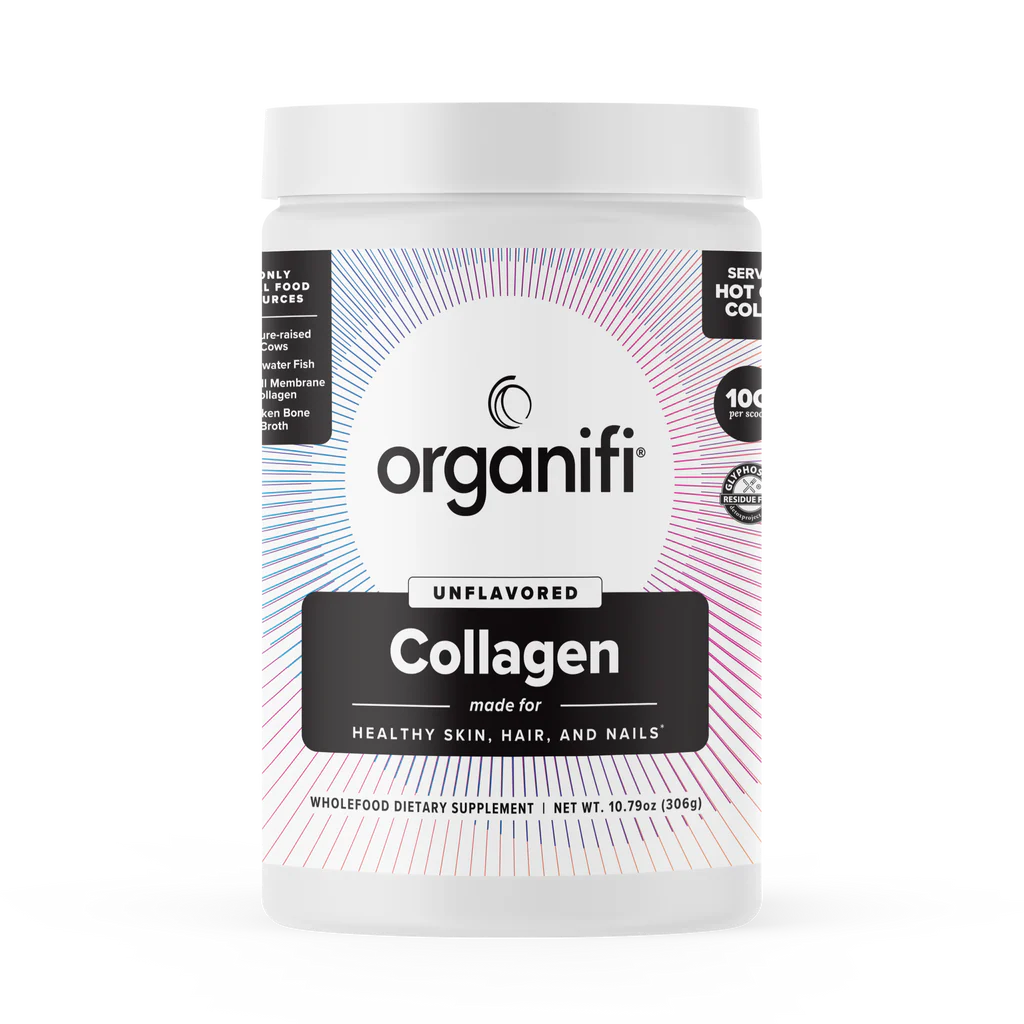
[00:01:55] Chalene Johnson : You can’t put your finger on it, but you’re like, “I’m just not as happy,” or, “Maybe I’m dealing with more anxiety,” or, “Things are bugging me more than they usually do.” You’ve heard me talk about Organifi for years, and Organifi came out with a saffron gummy that’s actually very, very tasty. So I am going to encourage you, if, if you’re s- already a customer of Organifi, next time you go to place an order, go to organifi.com/chalene.

[00:02:24] Chalene Johnson : Use code Chalene. That always gets you 20% off. I take their Immunity daily. I take Pure daily. I take their collagen daily. All of these things are on the regular, and again, I started taking the Happy Drops. I don’t take those daily, but I’d say I take them, like, three, four times a week And I’ve noticed a difference.


00:02:47

Hayden Panettiere dead at 36: intro to the story

[00:02:47] Chalene Johnson : So I want you to check them out. Try them the next time you’re over at Organifi, or, or just go there right now. Go to organifi.com/chalene. You get 20% off when you use code Chalene, and we love Organifi. So it’s O-R-G-A-N-I-F-I.com/chalene for 20% off. By now you’ve heard the headlines that actress Hayden Panettiere dead at the age of 36, and this story is sad and it’s complex.

[00:03:17] Chalene Johnson : I wanna talk about it for quite a few other reasons than maybe the obvious As I’ve said many times, I believe that there is something so sinister about fame, and it is a trauma, and by the end of this story, I think you’re gonna understand why it is I wanna talk about this today. The more I’ve been reading about it, the more I think this is much bigger than a potential overdose or the death of a famous actress.


00:03:47

Her early career and the cost of child fame

[00:03:47] Chalene Johnson : Most people probably know Hayden from her appearances in the show Heroes or Nashville. She was also in Remember the Titans, she was in Scream, she’d been working in Hollywood basically her entire freaking life, and I mean her entire life. Before Hayden could consent, because Hayden didn’t even have words, from the time she was a little, tiny baby, her mom started taking her on auditions.

[00:04:09] Chalene Johnson : She appeared in more than 50 commercials by the age of five. We’re gonna talk about the means of her death or what is being said, what’s being reported on today, but I have to tell you, I started preparing for this story early this morning, actually a little bit yesterday, and the details are continuing to come out all the way up until this evening, Tuesday night, whil- as I’m recording this.

[00:04:37] Chalene Johnson : By the time we release this, there may be even more information, but I kinda wanna go backwards. I want to talk about the fame piece first because I think fame is something that we look at as society as a prize. For a whole lot of people, it actually isn’t a prize, it’s a trauma, especially when it’s something someone was thrust into before they had the ability to consent.

[00:05:02] Chalene Johnson : And I just think it’s so strange that we live in this culture where people think that becoming famous is actually the goal. Kids wanna be famous. Adults wanna be famous. And I think because we’re hearing so much discord around the idea that jobs sometime in the very near future are not even gonna be a thing that the idea of, like, doing well in high school and doing well in college and then getting a good job, that doesn’t seem very realistic for a generation that’s in school right now.

[00:05:34] Chalene Johnson : Being famous for one reason or another probably sounds far more attractive. People want followers. They want attention. They want people to know their name. They want access. But with that comes a lot of other things. Other people around those who are famous want access to the money. They want the invitations.

[00:05:56] Chalene Johnson : They want validation. And I think so few people understand the costs associated, potential costs. I mean, certainly not everybody experiences these things, but fame doesn’t just mean millions of people know your name. It means millions of people believe they own you. They have ownership over you, your face, your body, your relationship.

[00:06:18] Chalene Johnson : Your mistakes, your brand, your identity, your story, your mental health, your worst day. Oh gosh, there’s so many stories come to mind when I think about this. When all of that starts and you’re an adult, we can kind of say, “Well, they brought it on themselves. I don’t feel sorry for any actress or actor or influencer who, they wanted this.”

[00:06:42] Chalene Johnson : But what about when it starts when they’re a child? I don’t think most of us could possibly even comprehend how different that is for someone who’s trying to develop an identity. And thankfully, before Hayden died, she got to tell her own story. Her memoir just came out. I mean, I had just purchased it on my last trip.


00:07:07

Her memoir, This Is Me: A Reckoning, and the Jennette McCurdy parallel

[00:07:07] Chalene Johnson : It’s called This Is Me: A Reckoning on Audible. I had just purchased this Audible. It was a recommended listen. I hadn’t even started it when I got the news that she had passed. One of the reasons why this book was recommended to me, it tells you, like, why a certain book is recommended to you, is because I’d already listened to the book I’m Glad My Mom Died by Jennette McCurdy.

[00:07:33] Chalene Johnson : Jennette McCurdy, as you might recall. It’s a phenomenal book But it’s a story of a young actress who’s still alive today. You probably know her from Nickelodeon. She is a incredible writer, oh my gosh, and it’s so fun to hear her read the Audible because there’s so much trauma in there, but she has such a way of delivering it as only someone who’s probably a 10 on an ACE score can find humor in these situations, but it’s such a good listen.

[00:08:05] Chalene Johnson : Even without knowing Hayden’s full story, I could already sense from just the little bit that I had listened to of her book how much overlap there was. It’s deeply disturbing to hear these child stars describe the way that their parents just thrust them into the lion’s den, push them onto red carpets.

[00:08:30] Chalene Johnson : These parents that they just really want their child to be successful. It’s like they define themselves through their child’s fame, and they… This is my own take on it, obviously. Do I have to keep saying that? Can I just say that once? Like, this is all alleged. This is all for entertainment purposes. This is all just my opinion.

[00:08:47] Chalene Johnson : Okay, good. I’ve said it. I think that these parents, they lose sight of how important and how fragile children are. The damage that they do in the name of, “Oh, this is what my child wants.” Well, yeah, no, what your child wants is your child wants to please you. Your child wants to make you happy, and the child has already picked up on the fact that making mom happy, in order to do that, I need to perform well on set, and I need to pretend that I love acting, and I need to have a resume, and I need to have a job, and I need to have the ability to cry on demand, and I need to make sure that everybody likes me, and I need to keep working, and I need to have this job, and most of all, I just need to make sure that my mother is happy, that my mother is pleased, or my parent is pleased.

[00:09:33] Chalene Johnson : So many of these kids who are thrust into performing, whether it’s, like, Michael Jackson or Jennette McCurdy or Hayden Panettiere, oftentimes their parents aren’t just their parents or their stage mom, they’re also their managers, and that was the case for Hayden And that has to create so many complexities for kids.

[00:09:53] Chalene Johnson : It’s already tough growing up. It’s already complicated, especially when you’re in a family that doesn’t have the healthiest of role models. I’m sure it just gets very, very complicated when the love th- and protection that you feel from a parent is contingent. It’s only if you do XYZ. Mommy’s only happy when I perform well.

[00:10:15] Chalene Johnson : Mommy’s only happy when I have a job. A child doesn’t understand contracts. A child doesn’t understand ratings. A child doesn’t understand auditions. A child doesn’t understand rejection might be because they just had the wrong hair color. It’s just rejection, and that rejection means that I’ve made mommy unhappy.

[00:10:33] Chalene Johnson : That means that mommy doesn’t love me. That’s what they understand. They understand that when I do this, mommy is happy. When I succeed, people celebrate. When I perform, people love me. My mom cares for me. My mom protects me. And that’s where it can really mess up these children, and it often does, because honestly, in my opinion, these parents are fricking messed up.

[00:10:56] Chalene Johnson : It is so messed up to put your kids … I’m sorry, I’m sure I’m offending many, to put your children into this world when they don’t even have the ability to truly say, “Mom, this is what I’m dying to do.” And then even still, I just, I don’t agree. I think fame can be something that looks like a gift from the outside, but I think it’s very different for people living inside of it, and I don’t think there are very many situations where the children who’ve been thrust into these situations come out okay.


00:11:33

The Gayle King interview and the boat story at 18

[00:11:33] Chalene Johnson : You can’t list very many. But I want you to hear what, how Hayden described how those early experiences affected the way she understood her own value. And this is an interview she did with Gayle King.

[00:11:47] Hayden: When your mother has chosen to take the, uh, eight-month-old baby to the audition rooms, into those audition rooms, and, and it went from there and progressed into f- 50 commercials by the time I was five.

[00:12:02] Hayden: I was on a soap opera by four years old. Um, so it just never stopped, and it was every moment on set, I didn’t care about anybody else’s opinion but my mom’s. Mom’s, yeah. Because I knew that if she was unhappy with my performance in any way, that the rest of the day was going to be- It was difficult, ruined, yes

[00:12:22] Hayden: it was gonna be a very bad, bad day.

[00:12:24] Chalene Johnson : It’s hard to know what things that she was exposed to as a young girl. Like, think about it. She’s on these sets with so many adults, and there’s a lot of creeps, we now know And the trauma didn’t end for Hayden when she was a little girl. There’s this other story that she told recently.

[00:12:43] Chalene Johnson : She was on the Jay Shetty Podcast. What’s really fascinating is she’s just recently done so much press, very revealing press, because of her memoir. She’s been on a press tour talking about all of these things just this month and last month. She was 18 years old. She’d gotten on this boat. She just says she identifies the person as someone that she trusted.

[00:13:12] Chalene Johnson : She said a woman she considered a friend. I don’t know why, something about the way she described it, I just picture that being as someone kind of like an older mentor. But I haven’t read that section of the book, I just have listened to the, the interview. And she said that this woman brought her below deck into this little small room where there was this older, much older than her, very famous man who was basically laying in a bed.

[00:13:38] Chalene Johnson : Hayden described that her, her quote unquote “friend” brought her into the room and was like, “Okay, here you go,” and kind of like pulled the sheets down off of him. And she described him laying there naked. He had his hands behind his head And that’s the detail that really kind of stuck with me. Obviously, it stuck with her, and each time she’s told that story, she repeats that detail, like that his hands were behind his head.

[00:14:07] Chalene Johnson : And I think that’s kind of how trauma works, like something that might be completely insignificant to maybe the guy, like if he was recalling this scene, or the woman who brought her down there, they might not remember that. But to the person who’s been traumatized, it’s like a photograph in your brain.

[00:14:24] Chalene Johnson : You remember the room. You remember where someone’s hands were. You remember the smell. You remember what you were wearing. Because you’re nervous, your system, it just takes all of these moments. It stores them, certain details anyways. Hayden said that she initially, she kind of froze, and then the woman said, “Get in bed with him”, and she s- admits that she got in bed with the guy, and then the woman left the room.

[00:14:52] Chalene Johnson : And then she said, so that was kind of that freeze instinct. When you’re confronted with something traumatic, you can flight, fight, or freeze, and so she froze. But then once the woman left the room, she said her flight instincts kicked in, and she just essentially told him like, “I don’t know what you’ve been told, but this is not happening.”

[00:15:13] Chalene Johnson : And she got out of there, and she said there was like no place for her to go. She had to like basically hide on the boat, and that was just a very traumatic experience for her, and one of, I’m sure, many. I’m sure it was horrible, and I wanna be very careful about how I say this, but when she started telling that story, I saw those clips on the internet, and I saw people in the comments saying that Hayden should name this man.


00:15:43

Online Epstein speculation, and who Chalene says is really the villain

[00:15:43] Chalene Johnson : Who was this man? Name him. People saying, questioning like, “Was it related to Epstein? Was she being trafficked? Who was this woman? Was this all tied to Epstein?” And had this man tried to rape her? And again, I just hope this doesn’t get taken the wrong way, but everyone was demanding that she publicly identify the man.

[00:16:05] Chalene Johnson : But also based on her own account, we don’t know what he was told before she… We don’t know if it was truly a trafficking situation. It certainly sounds like one, but She said, “I’m not into this.” She left, and she doesn’t say that he tried to grab her or he tried to push her down or that he tried to assault her or that he, you know, even tried to talk her out of leaving.

[00:16:33] Chalene Johnson : She didn’t say that. I think it’s interesting that we assign these actions that she never said happened with the guy and why we’re outraged by the man. I’m not saying he should be, like, off the hook or whatever, but how are we not demanding the name of the person who she said she did trust? That’s the real evil person, I think, in the story, the woman who brought an 18-year-old girl into that room, ’cause that’s the betrayal.

[00:17:06] Chalene Johnson : That betrayal actually happened. We don’t know what the other man’s intentions were. We don’t know what he was told and none of that. We don’t know if it’s connected to Hollywood or Epstein or any of those things. I’m, I’m just saying it’s just very interesting the way the internet can kind of decide who is the villain.

[00:17:27] Chalene Johnson : And in Hayden’s actual story, it’s very disturbing without having to invent another one Unfortunately, there’s so much backlash for women when they tell the truth. So there’s people who don’t believe us, there’s people who, if you’re talking about these traumas, then is there a stink on you? Can you go back to work after sharing truths like this?

[00:17:54] Chalene Johnson : And what does it cost someone who’s in the spotlight when they do share their truth? That vulnerability, the piece of your story that the public now knows, it becomes… They feel a sense of ownership around that story, and then it’s just natural, that parasocial relationship where we also feel we’re entitled to know what happens next, and entitled to weigh in on what should happen next.


00:18:23

Brian Hickerson: the relationship, the arrests, and his TMZ interview

[00:18:23] Chalene Johnson : Hayden, doing this round of press, talked pretty openly about a section of the book where she details a very abusive relationship. In the book, she talks about her relationship with a guy named Brian. They started dating in 2018 after her relationship with the father of her daughter ended. Their relationship became incredibly tumultuous.

[00:18:53] Chalene Johnson : By May of 2019, Brian had been arrested on charges of felony domestic violence involving Hayden. Those charges were eventually dismissed. Prosecutors weren’t able to secure a key witness. Was that Hayden? I don’t know. In 2020, he was arrested again after allegedly punching Hayden in the face during a trip to Wyoming That led to an eight-count complaint, including multiple felony charges.

[00:19:27] Chalene Johnson : Ultimately, he pled no contest to two felony counts of injuring a spouse or cohabitant. He served jail time, and then there was a five-year restraining order. When I say their relationship was complicated and complex and toxic, it was more than that. You know, this wasn’t internet rumors. Like, this was abuse that she documented herself in her book.

[00:19:53] Chalene Johnson : She talked about it. Now, you might be wondering, this guy Brian, he’s been written about in the book. She doesn’t use an alias. She uses his actual name. You might wonder, how has he acknowledged, or how is he handling, what has been the backlash against him after she was very public about what he had done?

[00:20:16] Chalene Johnson : Guess what? TMZ just recently interviewed him, and here’s what he had to say.

[00:20:23] TMZ Host: Have you read Hayden’s book?

[00:20:25] Brian Hickerson: Hayden’s book’s incredible.

[00:20:27] TMZ Host: Despite some of the kind of rehashing some of the things that happened between you guys, you still thought it was good?

[00:20:33] Brian Hickerson: No, I think it’s great. I think everyone should read it.

[00:20:37] Brian Hickerson: I mean, the, uh, domestic violence stuff that, I think it’s, like, 272. Page 272, my chapter. Everybody should read it. Yeah.

[00:20:49] TMZ Host: How was it for you reading that?

[00:20:51] Brian Hickerson: Yeah, uh, I mean, it was, uh… Who wants to read something about themselves like that, right? But, you know, you gotta be vulnerable. You know, I did it. I did it.

[00:21:06] TMZ Host: What did you not want her to talk about in the book?

[00:21:09] Brian Hickerson: So there’s a story where I was drunk, right? Hayden was standing across the room, and- I had a, uh, phone in my hand and I said, uh, “Hayden,” I said, “I’ll give you 10 seconds to run as fast as you can before I throw it at

[00:21:31] TMZ Host: you.” Yeah, that would be very tough to read about yourself, but also would be a horrific situation to be in as well.

[00:21:40] TMZ Host: Of

[00:21:40] Brian Hickerson: course. Of course. Do you

[00:21:42] TMZ Host: miss her?

[00:21:43] Brian Hickerson: I miss Hayden every day. Every day.

[00:21:48] TMZ Host: Do you think about getting back with her?

[00:21:50] Brian Hickerson: Of course. Who wouldn’t?

[00:21:53] TMZ Host: Do you have regrets in the relationship, or wish that you did things differently ’cause maybe there would be a different outcome right now?

[00:22:02] Brian Hickerson: Uh, yeah, about, uh, about all of them.

[00:22:05] Brian Hickerson: I mean, I went into such a dark place, man. Drugs, alcohol, booze. Good God almighty.

[00:22:16] Chalene Johnson : That’s just a brief clip from the interview on TMZ, and I’ve watched the entirety of this interview. You’ve just listened to the audio, and I’m sure your first thought is like, “This guy has to be drunk off his ass. He’s just speaking in such a way that it really sounds like he’s inebriated.”

[00:22:34] Chalene Johnson : Now, I’m watching the video clips, and I encourage you to go and take a look at them. You can just type in Brian Hickerson on any social media platform, and these clips will pop up. I don’t know if he’s inebriated, and I’m not great at picking up on those things with people. But if you watch his facial expressions, if you watch the way he speaks, if you watch his body language, his, and his physical mannerisms, a part of me also wonders, is this just how this guy talks?

[00:23:02] Chalene Johnson : Like, he’s from an area of the South where this is their style and dialect? I don’t know. It would seem odd to me that he would do an interview about his own abusive relationship with his ex-girlfriend, who he clearly very much is still in love with, and that he would do so drunk. Unless, of course, he is an alcoholic, which is very possible.

[00:23:29] Chalene Johnson : I don’t know. There’s so much about these interview clips with him that bother me, but just a couple off the top of my head is how he almost sounds prideful. He said, “I think everybody should read her book. You should read my chapter.” I think he called it his chapter, or my part. He said it as if he had so much pride for that chapter of her life, where he was the abuser.

[00:23:54] Chalene Johnson : He recounts one of the most horrific stories where you heard him say, he admits to it, giving her 10 seconds to run as fast as she could before he was going to assault her with a phone. It’s kind of gross. It’s disgusting, really. It’s morbid the way… If you watch the interview, I’d be curious your take on it, I interpreted it as an individual who, probably like many abusers, will, after the fact, they go through the afterglow, where they apologize profusely, and, “I’m so sorry,” and, “That wasn’t me,” and they blame the alcohol, et cetera.

[00:24:30] Chalene Johnson : But I think there’s an also a side to those types of individuals. They’re so insecure and they’re so weak that they actually do get a rise out of abusing someone who’s smaller and more defenseless. It’s disgusting, actually. And the fact that Hayden wrote about it in her memoir is pretty powerful. She’s making it public.


00:24:57

Going public: courage, backlash, and Hayden's own journal entry

[00:24:57] Chalene Johnson : She’s letting everybody in the world know what horrible things went on behind closed doors, how this beautiful, famous starlet, the star of so many shows… I think I forgot to mention Bring It On. Wasn’t she also in Bring It On? My point is, to come forward and share these kinds of stories about her abuser, someone who’s still alive, while she’s still actively pursuing her career, is pretty courageous I think sometimes people do that almost to keep themselves accountable, because she’s also detailed in the book how it was an embarrassing and sometimes shameful 10-year cycle of going back to this guy.

[00:25:39] Chalene Johnson : And in the Jay Shetty interview, when he asks her about that relationship Hayden reveals that just the night before, she had been journaling about the situation and had, like, finally been able to put into words why it happened or how she allowed it to happen, and I, I have to play this for you. I think it’s so powerful, and I’m hoping, I’m praying, and I can only imagine that her words, the words I’m about to play for you, may just land the way they’re meant to be received by someone who, who needs to hear this, who needs their own awakening, needs somebody else to put into words what they haven’t been able to make sense of.

[00:26:24] Chalene Johnson : Anyways, listen to this.

[00:26:25] Hayden: This is a topic I’ve been journaling a lot about it, trying to organize my thoughts and my feelings. And I did journal last night and, and for the first time I really feel like I was able to put into words what has been going on for the past decade of my life in regards to the abuse.

[00:26:50] Hayden: And I was actually gonna ask if I could read it, because this topic is really important for me to word

[00:26:56] Jay Shetty: properly. Yeah, please. Yeah.

[00:26:58] Hayden: It took me a long time to finally see the situation clearly. I’ve had to do a lot of soul-searching and therapy around this topic because allowing somebody to get away with harming me was so unlike me.

[00:27:11] Hayden: The more I thought about it and analyzed it, the more connections I made between the abuse I was allowing to transpire and the abuse I’ve gone through in my past. They say that you end up marrying one of your parents, and no, I’m not married, but I found a very interesting connection between this abusive behavior and my mother’s abusive behavior.

[00:27:32] Hayden: Even though they would both shake their heads and say I was crazy to think there was anything similar about the two of them, there definitely was. I realized that I was more afraid of being alone than being abused. And in order to be around that kind of behavior, it took me dulling my senses and numbing myself with substances in order to silence that rational voice in my head that was telling me exactly what was going on and the many reasons why I needed to get myself out of this toxic relationship and as far away from this person as possible.

[00:28:09] Hayden: Somehow, every time I found the strength to get away from my abusers, they would always find their way back into my life one way or another. It was like being on a hamster wheel in this endless dizzying cycle. And the craziest part and the hardest part to understand was that the physical abuse would come out of left field, but it was always when he was drinking, same as my mom.

[00:28:33] Hayden: We could be dancing and joking, then a switch would flip and suddenly it was on. Something would snap, and it was like watching a predator suddenly smell blood. I was dealing with this Dr. Jekyll, Mr. Hyde situation. I tried to fight back in every way that I could think of. I took every approach from standing my ground to attempting to calm the situation, to running and hiding from it until he sobered up.

[00:29:02] Hayden: Then once he was sober, that good part of him would be back, and he would see the damage he had done, and he was devastated and apologetic, and it seemed so honest and genuine that I was torn. I thought back to everything I’ve done wrong in the past and the forgiveness I was shown. So I think a part of me felt an obligation to be just as forgiving.

[00:29:29] Hayden: I desperately wanted to make him a better person. I wanted to fix him. I’m a really strong person at my core, and anyone who knows me was shocked that I would ever allow anything like this to happen. I have this bright, powerful light in me that comes on, but then it would dim around that kind of intense conflict.

[00:29:53] Hayden: I found myself trying to be smaller and weaker just to avoid a battle because there’s no reasoning with the unreasonable, and as strong as I am, I couldn’t physically stand up to a grown man. I know I have a big heart, and I always try to see the good in people, so much so that it’s been to my detriment at times.

[00:30:13] Hayden: The worst part was that by allowing the cycle to continue, it hurt the people I love who came to my rescue, and I cannot allow that to continue to happen. In order to finally get off the hamster wheel and put an end to the cycle of abuse with him and with other toxic people in my life, I had to remind myself how strong I am.

[00:30:35] Hayden: I had to envision the life I want for myself, and most importantly, I had to take accountability for enabling unforgivable behavior

[00:30:44] Chalene Johnson : If you’re a woman over 35, this message is very important, so please stop whatever you’re doing. Pay attention to this for just a moment. The earlier you can address a decline in your hormones, the better it is for your overall longevity.

[00:30:59] Chalene Johnson : We used to think that you waited until you’re in menopause to think about these things, but now we know so much more, and the earlier you can start, and by working with a clinician who can help you figure out what your hormone levels are and how you can support them, you’re gonna have a much easier transition into menopause.

[00:31:16] Chalene Johnson : If you’re already in menopause and thinking, “Well, it’s kind of too late for me,” it’s really not. There are so many things that you associate just with aging that probably have everything to do with your hormones, like your skin feeling really dry, your hair not cooperating, your hair becoming thinner, not enjoying sex, trouble sleeping, weight gain, all of these things.

[00:31:38] Chalene Johnson : Anxiety, depression. Maybe you’ve got night sweats. Maybe it’s just brain fog or lapses in your memory, and you’re thinking, “Oh, this is just ’cause I’m getting older.” It probably has a lot to do with hormones, and you deserve to have answers. It is why I am so proud and committed to our show sponsor, Midi Health.

[00:31:56] Chalene Johnson : This is a virtual healthcare company that was started by women who were dealing with this themselves and ran into so many obstacles in the traditional medical care system that they’re like, “There’s gotta be a solution. We need to create a company where there are experts, clinicians who are specifically trained in this, women’s hormonal health.”

[00:32:18] Chalene Johnson : This is their primary focus, hormonal and non-hormonal treatment options, meaning maybe you’re a breast cancer survivor. They’ve got a program to help you find what options are available to you. It’s a personalized care plan based on your symptoms, based on what it is you’re trying to accomplish, and in conjunction with most major insurance plans.

[00:32:40] Chalene Johnson : It’s where I get my estrogen cream. It’s how I discovered what topical treatments I could use on my scalp to help with hair regrowth, ’cause some of those have to be prescribed by a doctor. Retinol for my face, hormone replacement therapy. Like, just being able to have a conversation and ask about the latest research and not feel like I had to wade through a bunch of influencers or information online that felt, like, conflicting.

[00:33:04] Chalene Johnson : It’s just so nice to be able to work with a clinician who this is all that they do, and they actually listen. Girl, no more excuses. Stop putting this off. This is about your longevity, your health, your brain, your skin, all those things. Go to chalene.com/midi. Again, it’s chalene.com/M-I-D-I, and just book a virtual appointment.

[00:33:28] Chalene Johnson : As I mentioned, they work with most major insurance carriers, and they’re adding new ones every single day. Please don’t wait. Chalene.com/midi. Again, that clip was courtesy of the Jay Shetty show. His show is called On Purpose, and it’s one of the many interviews that she’s just done recently in connection with the publicity around her book.

[00:33:51] Chalene Johnson : It’s when a star comes clean with all the stories of their past addictions, past abusive relationships, and they’re finally making amends. You wanna feel hope for them. You wanna root for them. You wanna believe like, okay, they, they’ve made it, and they’re gonna be okay. I remember thinking that when Matthew Perry came out with his book, thinking, “Wow, this is so brave of him to share all of these things.”

[00:34:17] Chalene Johnson : And I also wondered, is this a way to start with a clean slate, but also to hold yourself accountable? You know, you hear those words from Hayden, and you’ve just got hope that, wow, she’s making sense of all this. Her book also details a lot of the abuse from her mother. She talks about her mother being drunk.

[00:34:35] Chalene Johnson : She talks, obviously, in that clip you hear her referring to her mother as an abuser, and at the time of this interview anyways, she was not on speaking terms with her mother. And when you make things like this known publicly, then the public gets to, or at least they believe they are entitled to, hold you accountable.

[00:34:55] Chalene Johnson : And that’s exactly what the press did. Because the two were photographed together in March, there was immediate speculation that they had rekindled their relationship. Those rumors have continued even while she was doing press about the book, and the book that detailed the abusive relationship And then we get to this past weekend.

00:35:22

Timeline: LAX to Greenville, the 911 call, and the NBC News report

[00:35:22] Chalene Johnson : On Saturday, August 15th, Hayden was photographed with Brian Hickerson. They were seen together at LAX. They’d apparently flown from Los Angeles to Greenville, South Carolina. Hayden was staying at an apartment, like a luxury Airbnb, with Brian and Brian’s brother, Zach. At the time that I’m recording this, there’s so many rumors, so many unsubstantiated stories being shared in social media, which I just don’t feel comfortable reporting on them because there’s so many people creating them, but they’re creating them because they heard one other person say them, and I just have no way of verifying the source.

[00:36:01] Chalene Johnson : But I can tell you that there’s lots of speculation that this is a place where she would often go and stay with Brian in the last several months. Then on Sunday, August 16th, Hayden was apparently found unresponsive at the apartment. A 911 call was made at 1:15 PM reporting cardiac arrest and a possible overdose.

[00:36:28] Chalene Johnson : It is unconfirmed whether it was Hickerson who made the call, Brian himself, or whether it was someone else, a bystander, his brother. We don’t know. We do know, however, as this has been confirmed by several news outlets, it was in fact Brian and his brother, Zach Hickerson, who were there when EMS arrived to the scene.

[00:36:52] News Host: Tonight, new details in the death of actress Hayden Panettiere. An incident report obtained by NBC News revealing her on-again, off-again boyfriend Brian Hickerson and his brother were both at the South Carolina apartment when police arrived. According to the report, which is heavily redacted, Hickerson’s brother was very emotional as paramedics worked on Panettiere, while Hickerson did not become emotional until after she was pronounced dead.

[00:37:17] News Host: The officer adding Hickerson showed him a bag of medication he says she was on. Meanwhile, the actress’ mother speaking exclusively by phone with NBC News, saying Hickerson was someone, quote, “We’ve been trying to get rid of for quite some time”, adding the last time she spoke with her daughter was in October.

[00:37:33] News Host: Panettiere opened up about the status of their relationship back in May.

[00:37:37] Jay Shetty: Do you still not connect or talk today?

[00:37:40] Hayden: At the moment, no, there is not a relationship between her and I.

[00:37:45] News Host: The spotlight now on Panettiere and Brian Hickerson’s time together. In her memoir, the 36-year-old described the relationship as increasingly abusive starting in 2018.

[00:37:55] News Host: The actress writing that in one incident, her face was so badly beaten she didn’t leave the house for weeks. Panettiere ultimately sought a restraining order, but the outcome of that request is unclear. Hickerson would later plead no contest to two domestic violence charges in 2021, and was sentenced to four years probation.


00:38:13

Addiction, abuse cycles, and her health scare

[00:38:13] Chalene Johnson : I think it’s sad to say, but there’s just so many parallels that can be drawn between addiction and the cycle of an abusive relationship You know these things are bad for you, you know this person is bad for you, you know it’s destroying your life, you know that you’re better than this thing. You can see how it’s sabotaging every inch of your being, and yet somehow when people are in these situations, that toxicity feels familiar and also, I think, sometimes feels like something a person who hasn’t done enough work feels that familiarity is kind of, it’s what they know and it’s what they deserve.

[00:38:51] Chalene Johnson : And I think that’s what makes Hayden’s story so heartbreaking. She described addiction as a cycle, self-destruction, and she also talked about how incredibly difficult it was to permanently remove toxic, unhealthy, abusive people from her life. I think she was referring not just to Brian. But those two cycles can also feed each other.

[00:39:14] Chalene Johnson : She said in that journal entry that she read to Jay Shetty that she was using substances to numb the pain, the shame, the reality of the relationship. And then when you’re struggling and lonely, then you’re using again, and you just gravitate back towards these people, I think, that feel comfortable. They feel familiar.

[00:39:35] Chalene Johnson : Maybe that’s why they feel comfortable. She also talked about how she would often return to these unhealthy people, she talked about this in many interviews, when she was feeling alone, when she was feeling down, when she was feeling depressed. And if you think about it, that just kind of tracks, doesn’t it?

[00:39:55] Chalene Johnson : When someone’s feeling low and someone is feeling vulnerable, that’s when we turn to the thing that we know isn’t good for us, but it certainly feels familiar, and that’s, I think, the cycle that she was caught up in. And that’s the tragedy of both addiction and sometimes abusive relationships. Like, knowing something is destroying you, knowing that something is not good for you, knowing that you are better than something or someone is one thing, but it’s yet another to be kind of drawn back to that.

[00:40:28] Chalene Johnson : Knowing something is bad for you but also wanting it, that’s a pretty lethal combination. And sometimes the place you know you shouldn’t be, the person you know you shouldn’t be with, is the place that feels most familiar. And sadly, it seems as though that’s who Brian Hickerson was for Hayden. And by her own account, she would often use when she was with him.

[00:40:57] Chalene Johnson : And ironically, I think writing this memoir for Hayden was probably a pretty scary thing to do, considering the backlash that she had experienced on previous occasions when she would share something about her mental health, her postpartum depression, her abusive relationships, losing custody of her daughter, losing her brother To a drug overdose.

[00:41:22] Chalene Johnson : When you put all of those things together, you start to understand why I keep coming back to this idea that sometimes what looks like privilege, fame from the outside oftentimes contains a lot of pain. And Hayden had been very open about her addiction. She had been struggling with alcohol and opiates, and she eventually said that her body started telling her that she was running out of time.

[00:41:51] Chalene Johnson : And I think in one interview, she even said a doctor told her, like, “You’ve got less than, like, five years left She describes waking up with the shakes, needing alcohol just to function. She said her eyes were turning yellow. She had developed jaundice. She reached a point where she realized, “I am killing myself.”

[00:42:13] Chalene Johnson : She put herself into an intensive treatment program, apparently like eight months inpatient. She says that she has done therapy for her trauma. She’s talked about going to treatment. She’s talked about being in recovery, how it was, it wasn’t linear. It was something she had to constantly choose, something she had to keep herself on track with.


00:42:39

The Neutrogena story, Wladimir Klitschko, and postpartum depression

[00:42:39] Chalene Johnson : But there’s a part of Hayden’s story that I really wasn’t familiar with until pretty much yesterday, when all of these stories started surfacing. One that k- I kept seeing was what happened with Neutrogena. And because of her passing, I think there’s this conversation around brands that really let Hayden down, Neutrogena being one of them.

[00:43:03] Chalene Johnson : I saw so many people saying, “Okay, we’re going to ban Neutrogena in honor of Hayden’s passing.” I really, uh, had no idea what any of that related to, so let me explain to you where the connection is between Neutrogena and Hayden. Hayden met a young man by the name of Wladimir Klitschko, I hope I said that correctly, in 2008.

[00:43:26] Chalene Johnson : They dated for many years. They eventually became engaged, and then in December of 2014, Hayden gave birth to their daughter, Kaya. Apparently, it was not an easy birth. Hayden almost died. She had something like seven blood transfusion. Apparently, it was hours and hours of surgery. So there’s this very traumatic physical birth, and immediately after the birth, Hayden has talked about experiencing pretty severe postpartum depression.

[00:43:58] Chalene Johnson : Then, in October of 2015, she apparently voluntarily entered herself into a treatment center for postpartum depression. In 2016, she said she’s, was still suffering from postpartum depression, was seeking more holistic options for treatment, and I think she probably just struggled in general with her mental health.

[00:44:20] Chalene Johnson : I mean, these are just assumptions that I’m making. Probably was also struggling with addiction for many years before that became public. So there’s this period after the birth of her daughter where I’m assuming things really started to unravel I feel really guilty even recording this, having not finished her Audible book, but I promise I’m gonna finish that and make any corrections I need to.

[00:44:44] Chalene Johnson : But just from the pieces that I’ve been putting together over the last couple of days, it seems during this period after the birth of her daughter, she was really struggling with her mental health, and her daughter was traveling back and forth between Nashville, where Hayden was filming, and the Ukraine.

[00:45:02] Chalene Johnson : She’s experiencing postpartum during this period. We know that she’s also using alcohol to cope, and she’s entering herself into treatment centers. Then in 2018, Hayden and Vladimir, he goes by Vlad, they split up. And this happens while Kaya is visiting him in the Ukraine. Vlad tells Hayden that he wants full custody.

[00:45:28] Chalene Johnson : Hayden basically says that she allowed it. It was a difficult decision for her to make, and she says, “It wasn’t fully my decision,” and that she didn’t, at the time, fully realize what was happening until it was almost too late. So I don’t know if that means that she was not well at the time. I don’t know if she was encouraged to do so by her own family members.

[00:45:52] Chalene Johnson : I don’t know her own mother’s involvement. I don’t know any of those things, but I do know that Vladimir becomes Kaya, is it Kaya or Kaya, becomes Hayden’s daughter’s primary caregiver. He also came out and made a beautiful statement today, basically saying that the family was devastated, I’m paraphrasing, and that his 11-year-old daughter will never hear him speak negatively of her mother.


00:46:22

The interview clip that triggered Neutrogena's morality clause

[00:46:22] Chalene Johnson : I thought it was very sweet. So let’s close the loop on Neutrogena. Many years ago, Hayden did an interview with Kelly and Michael Strahan when Michael Strahan was her co-host at the time. And Hayden went on the show. They were asking her about the role that she was playing. She was talking about the character and how that character was experiencing postpartum depression.

[00:46:50] Chalene Johnson : Hayden made the connection of how it was easy for her to play this role because she, too, had experienced postpartum depression. Here’s that clip, and I think it’s important for you to listen to this because after this interview that you’re about to hear, Neutrogena allegedly attempted to drop Hayden from a 10-year campaign they had with Hayden, citing that this interview was a violation of her morality clause.

[00:47:20] Chalene Johnson : Take a listen

[00:47:26] Hayden: She’s gone through a lot. Mm-hmm. She had the baby. You see her now really surrounding herself with… ‘Cause you’ve never really seen her around a whole lot of people. Right. You’ve seen her, like, inner circle, but she’s never really had a lot of friends- Yeah … around her, and now she’s kind of surrounding herself with some bad folks who are leading her in the wrong direction.

[00:47:49] Hayden: And she’s suffering from postpartum depression. And she went through that, which was something that I can very much relate to. Mm-hmm. And something that I know a lot of women experience, which is when they tell you about postpartum depression, you think about, “Okay, I feel negative feelings towards my child.

[00:48:10] Hayden: I wanna injure my child. I wanna hurt my child.” I’ve never, ever had those feelings, and some women do, but you don’t realize what broad of, of a spectrum- Mm … you can really experience that on. And it’s something I think that needs to be talked about, and women need to know that they’re not alone, and that it does- Yeah, there seems to be some-

[00:48:30] Hayden: you know, heal … deep shame in it for some reason- There is … because I guess- Well, there’s a lot of misunderstanding, and I feel like there’s a lot of people out there who think that it’s not real. Mm. That it’s not true, that it’s something that’s made up in their minds, and, “Oh, it’s hormones,” and they kinda brush it off, and it’s not true.

[00:48:46] Hayden: It’s something that’s completely uncontrollable, and it’s really painful, and it’s really scary. Women need a lotta, a lotta support. We do something… Women are amazing. We do something that no man- Man can do … can do on this planet. Oh, can’t. I mean, we grow a human being

[00:49:07] Chalene Johnson : Now that was in 2015. It wasn’t even she was planning on making some big giant mental health announcement or anything. The subject just came up, as you heard. Michael Strahan asked, asked her the question. She answered honestly. She made a connection with her own personal life. She said she could relate.

[00:49:23] Chalene Johnson : She could relate to the character experiencing because she was, had experienced postpartum herself That’s it, and that is the clip that got Neutrogena to invoke their morality clause for simply disclosing that she had experienced postpartum depression. Now, think about that. This is a woman who has grown up in front of the paparazzi.

[00:49:48] Chalene Johnson : She’s been photographed partying, drinking, smoking, making mistakes over the last 10 years. You know, I mean, she’s disclosed how kind of wild her life was. She was basically a teenager being followed around with cameras when she first got her contract with Neutrogena. They invoke the morality clause because she said she had postpartum depression?

[00:50:09] Chalene Johnson : Now, her representatives pushed back. They told them, «You can’t terminate her clause for that.» And apparently, allegedly, Neutrogena said, «Did not.» They let her finish out her contract for that year, but after that, they didn’t renew her. Isn’t that wild? I mean, she’s said in her own words that is exactly what happened.


00:50:31

The Lindsay Clancy trial and the "motherhood paradox"

[00:50:31] Chalene Johnson : They did not want her to discuss postpartum, and postpartum is a big topic. This is where Hayden’s story and the connection with Neutrogena and how that’s become public this week, in the last few days, it’s got me thinking about things that are happening right now in the Lindsay Clancy trial. Are you familiar with this case?

[00:50:59] Chalene Johnson : It’s one so many of you have said, “Shaleen, you must do a deep dive on this.” I mean, I can’t even tell you how many requests I’ve had to dig into this Lindsay Clancy case. And for those of you that don’t know, the reason why there’s a connection, Lindsay Clancy is a mother who is on trial right now for the murder of her three children, her defense is saying was about of postpartum psychosis, which, to be clear, is different from postpartum depression.

[00:51:31] Chalene Johnson : Obviously, they are both postpartum, but her defense is that she was in a state of psychosis and didn’t have the ability to control herself. And I think the reason why so many of you have suggested or asked that I cover this or go into greater detail, ’cause I do a lot of deep dives on the Patreon, but I mean, I’ve been getting these requests everywhere.

[00:51:53] Chalene Johnson : Because, I mean, there’s always crazy stories in the news, and I, I’m not like a true crime person or anything, but I think one of the reasons why my deep dives have become so popular on Patreon is because I like to take a story that’s- in the news and break apart the case, the story, the narrative from a different perspective.

[00:52:16] Chalene Johnson : I like to go like, “But have we thought about looking at it this way?” And all the requests to cover this case so far have been from those of you in the audience who are convinced that Lindsay Clancy did not kill her three children, that it was actually her husband at the time. Now, look, we are quite far along in this episode, which frankly is mainly about Hayden Peneterra But there’s a connection to Lindsay Clancy, and I think that there’s this paradox of motherhood where we just cannot accept, as a society, we cannot accept and we do not want to believe, we do not want to consider, that a mother could ever have negative thoughts about her children, and certainly could never imagine harming them.

[00:53:15] Chalene Johnson : So much so that even when a woman has admitted to murdering her own children, we will find little inconsistencies in the story that allow us to create a narrative where Nancy Clancy maybe didn’t do this. Maybe it was her husband. And I think when we hear about postpartum, when we hear about mothers in postpartum psychosis, when we hear of mothers who just abandoned or otherwise abused their children, it is so deeply ingrained in us that when a mother behaves outside of our own expectations, because of mental illness or for any other reason, we just don’t know what to do with it.

[00:54:06] Chalene Johnson : We treat it differently. We judge it differently. We explain it differently. We don’t accept it. We don’t want to accept it. And sometimes, my theory is, we even create entirely different versions of what happened, because the truth is just too difficult to make sense of. Like, it’s literally too hard for us to think about.

[00:54:30] Chalene Johnson : And once I started looking at not just what happened to Hayden Panettiere after just talking about having postpartum back in 2015, and, and I started looking at lots of other cases involving mothers, allegedly or proven to have harmed their own children, I realized we just keep doing the same thing.

[00:54:53] Chalene Johnson : It’s this interesting paradox in motherhood. And I wanna dig into that further. I’ve been taking lots of notes. I’ve been prepping to kind of, like, make sense of my take on all of this. It involves stories like the Andrea Yates story. Obviously, Linda Clancy is… Her trial is happening right now as we speak.

[00:55:18] Chalene Johnson : Lori Vallow, whose delusional religious beliefs and the things that she did to her children. Susan Smith, Casey Anthony. The one piece all these stories have in common is a mother who’s done something completely unthinkable And why we’re just so desperate to find some other explanation to make sense of a mother doing these things.


00:55:45

Patreon deep dive question, and mental health resources

[00:55:45] Chalene Johnson : I wanna know from you, do you want me to explore that further? I mean, we’re pretty late into this episode. No time to finish that today, but I would love to get your feedback. Is that something you want me to put as a deep dive on Patreon? Is it something you want me to do a one-off here on The Chalene Show?

[00:56:01] Chalene Johnson : We’ve really been getting phenomenal feedback about our formats changing, and now what you’re getting on Mondays and Fridays are what the latest and the greatest, and what’s going on in the world that affects you, and how does this relate to news that a woman over 40 needs to know so she doesn’t have to spend her entire day online looking at social media stories or trying to figure out what’s real, and figure out what’s AI, and figure out what stories are actually worth paying attention to, because there’s a lot out there.

[00:56:35] Chalene Johnson : And then, you know, my own unique take on all these things. And, and I just cannot thank you enough for taking the time to share your feedback with me. It really does matter, and it’s motivating me, and it’s getting me excited to prep for these episodes, and I love that you guys are telling me it feels like I’m getting a little bit of gossip, and a little bit of news, and a little bit of entertainment.

[00:56:57] Chalene Johnson : I’m still getting to spend time with you. As always, just a reminder that, like, you know, for my really personal stuff, yes, that is on Patreon. But the show has always been a reflection of whatever it is you need. And many of us, we’ve kind of grown up together. I know some of you have been listening for more than 10, 15 years.

[00:57:14] Chalene Johnson : That’s insane. And we’ve gone through different seasons together. What I’ve been excited about, what I’ve been going through 10 years ago is different than what I’m interested in today, and I’m so fortunate that I have many of you who’ve been with me through this whole journey, and we’re often kind of in the same season together.

[00:57:35] Chalene Johnson : All that to say, I really do very much value your opinion. This show is for you. It’s got my name on it, but the direction, the success, the number of amazing sponsors we’ve been able to attract, the community that we’ve built around this show, I mean, so many of you showing up at Can’t Be More. Like, it’s all really in very much in large part because you actually reach out and you talk to me.

[00:58:00] Chalene Johnson : You tell me what you think. You tell me what you want. You tell me what you love. You tell me what you don’t love. I mean, there’s been so many times where I thought this was something you wanted, and then you’re like, “Nope, Shaleen, we’re not into that. Change directions,” and I do. So I would love to encourage you to just continue to do what you do.

[00:58:18] Chalene Johnson : Tell me what you love. Tell me what you think about our new format. Let me know if you want me to do that deep dive into the motherhood paradox. If you do, where do you want that? Is that too deep and too dark for the regular show? Is that something we should only put on Patreon? You tell me. If you or anyone you know is struggling with your mental health, please reach out.

[00:58:41] Chalene Johnson : We’re gonna put a few resources below in our show notes. But always remember, it does get better. It will get better. Hey, I love you. I mean it, and I’ll talk to you soon.


connect with
Chalene
go beyond
The Podcast

The podcast is where the conversation starts. The after party continues inside our private community. Click the button below to join chalene on her private podcast:

TAKEAWAYS
REGISTRATION IS NOW OPEN!

Join The PodSquad on Facebook

We would love to hear from you!

Leave your questions or messages for Chalene

To advertise on our podcast,
please reach out to warren@chalenejohnson.com
and mention The Chalene Show

Join NEWSLETTER

Join my email list for free weekly tips and strategies on how to live your most productive, balanced and happy life!

© 2026 Chalene johnson all rights reserved.