Ozempic Police, AI Scams, Ageism and New Estrogen Alzheimer’s Study

"The internet does not know how to talk about a woman’s body without really turning it into investigation."
- Chalene Johnson
episode
Description

Kate Beckinsale wiped her Instagram last week after trolls decided she must be on Ozempic, then revealed the real reason, tied to grief and a health condition she’s had since sixteen. Chalene Johnson breaks down why the internet’s first assumption about any thin woman is always the same one, using Lizzo, Kylie Jenner, Kelly Osbourne, and Olivia Wilde as the latest examples.

Then, a new Stanford study analyzing more than 21,000 women found that estrogen only hormone therapy is linked to measurably less Alzheimer’s related brain plaque, confirmed by autopsy rather than memory complaints. Chalene explains who actually qualifies for estrogen only therapy and how to bring the research to your own doctor.

She also covers a new survey showing 40% of Americans have already been scammed by AI, a viral video of a woman who refused to train the cheaper replacement who got her promotion, and a new collagen treatment tested on skin from real plastic surgery patients.

Topics discussed: Kate Beckinsale, mast cell activation syndrome, Lizzo, Kylie Jenner, Kelly Osbourne, Olivia Wilde, Stanford study, estrogen, Alzheimer’s, Women’s Health Initiative, AI scams, voice cloning, Demi Moore, theunobsolete, collagen study.

with
episode
Questions

Is your first thought "she's on Ozempic" too?


Have you or your family fallen for an AI scam?


Have you or someone you know been replaced by AI?


Would you refuse to train your own cheaper replacement?


episode
Timestamps
00:00

Intro: GLP-1 body policing, AI scams, and today's teasers

[00:00:00] Chalene Johnson : What is up, buttercup? So grateful that you’re here and hanging out with me on a Wednesday, if you’re listening to this in real time. I have to admit, when I see women who suddenly, it seems like overnight, they’ve gotten, like, super scary skinny, my first thought is, “I bet they’re on a GLP-1.” I know we all do it, and I know it’s not right, and we’re gonna talk about the policing of women’s bodies today.

[00:00:31] Chalene Johnson : We’re also gonna talk about the absolute astronomical rise in AI-related scams, and you’re gonna hear a couple of crazy stories firsthand from some of these folks. And these are important for you to catch because the scammers are getting better and better and better. There’s a brand-new study came out last week about your brain as a woman and estrogen.

[00:00:56] Chalene Johnson : This isn’t people reporting how much brain fog they have. We’re actually talking about in a laboratory, looking under the microscope, the difference between women’s brains who are on estrogen only versus those who are not. I’m gonna share with you a recent story I caught on TikTok. A woman who basically refused to train.

[00:01:21] Chalene Johnson : She was like a 50-year-old woman in tech who should’ve got the promotion. She didn’t get the promotion, and when her boss… or when the bosses asked her to train the 25-year-old with zero experience how to do the job that she had applied for and didn’t get, she was like, “Uh, no, not gonna do that.” And if you stay all the way to the very end today, I’ve got this crazy, weird story about…

[00:01:48] Chalene Johnson : Oh my gosh, I don’t even know how to hint about this story without giving away the punchline. But I’m just gonna tell you that it involves a call that I had with a group of scientists about skincare and how my facelift became the topic of conversation and how my skin from the facelift might have ended up in a laboratory.

[00:02:14] Chalene Johnson : Oh my God, that sounds so gross, but yeah, you’re gonna have to stay tuned all the way to the end for that one. All right, let’s get to it.

[00:02:23] Clip: Okay, the first thing I wanna start off with, and I’m thinking I’d like to do this

[00:02:26] Chalene Johnson : on the regular, because I share these kinds of things all the time with my girls thread.


00:02:33

Hack of the day: sharpening dull tweezers

[00:02:33] Chalene Johnson : Like, everybody’s got a girls group chat. If you don’t have one, you need to get in one because there’s so many great advantages to girls just sharing girl stuff. And I’m like, I should probably do this on the show, too. So I have one for you today. I’m not saying that every time I share one of these it’s gonna be earth-shattering or that you didn’t already know it, but every single time I share one of these, like, hacks or these, like, girl tricks with my girlfriends, one of them for sure will be like, “What?

[00:03:05] Chalene Johnson : I had no idea.” So the one I’m gonna share with you today is about tweezers. Now, one of my absolute favorite things to do, please don’t judge, is to have perfect light, a 20X mirror. 10X is for fetuses. Like, 10X is for weak women. You want a 20X. If you’re really ballsy and you’re willing to search, you’ll find a 30X mirror, and then something about you is gonna say, “You can’t handle the truth.”

[00:03:35] Chalene Johnson : But you get in the right light with a 20X mirror and a sharp pair of tweezers, that’s all I need. Can we can actually consider that a hobby? At a minimum, it’s a skill, and it’s so rewarding. I don’t know how to describe the feeling. Am I alone in this? Do you understand what I’m talking about? Especially when you find that little teeny-tiny hair that if you had let it go, like, three or four days, you risk overnight it growing, like, a couple of inches and you just being an embarrassment to the world.

[00:04:09] Chalene Johnson : Like, everyone sees it but you, and now you’re out in the wild and you don’t have a pair of tweezers. I’m not trying to brag, but I’m really good at it, like, really good at it, and you probably think you are, too. And then all of a sudden you’re like, “Am I losing my knack? How come I can’t grab this hair?”

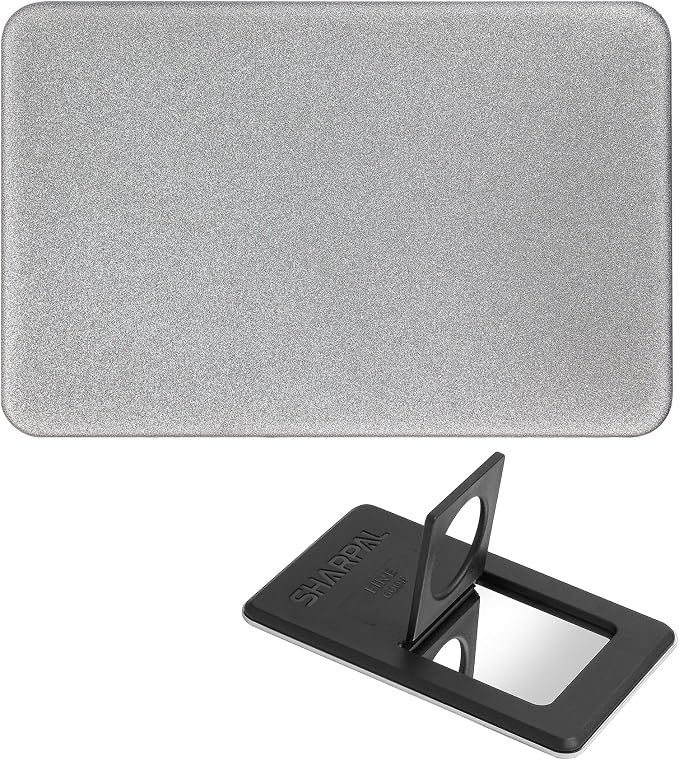
[00:04:26] Chalene Johnson : It’s because, girl, your tweezers are dull You don’t need to go buy a new pair. Do you know all you need to do is sharpen them? The easiest way to do that is with, like, a nail file, but if you wanna be, like, next level, if you wanna be on my level when it comes to using tweezers, there’s this, like, little device you can buy on Amazon.

[00:04:47] Chalene Johnson : Just I’ll find the link and put it in my show notes. Plus, you know you can always go to my Shop My page. I always put gadgets there, too, so you can find… And of course, on Sundays, I share with you the links to all my favorite gadgets. You can find this thing on Amazon if you just type in tweezer sharpener.


00:05:06

Rethinking how the show covers true crime and pop culture

[00:05:06] Chalene Johnson : It’s about the size of a credit card. You can keep it in your makeup bag, and let me just tell you, your tweezers are gonna be so sharp, and so, too, will be your rogue hair tweezing skills. Okay, you’re welcome. That’s my hack of the day. I wanna start off by addressing a decision that I’ve made. Since I started covering more pop cultures on the show, more pop culture topics, the things that I think naturally are important for women in our age group, some of you are younger, some of you are older, I’ve also kind of expanded that to just regular pop culture things, not just things that pertain to hormones or things that only affect women.

[00:05:48] Chalene Johnson : And that also has meant I’ve covered some true crime, and obviously true crime is very pervasive in culture. I’ve always personally consumed it. I like listening to true crime podcasts, and for the most part, I guess I’m just not affected by it the way a lot of other people are. Like, Brett hates watching any documentary where there’s, like, a murder or bad things happen to people.

[00:06:13] Chalene Johnson : He’s like, “Why do you like watching this stuff?” It’s not that I like watching it, I just… I think I probably don’t have the same reaction other people do. And so my reaction to how it impacts me- Isn’t always helpful or meaningful when I’m trying to decide what’s appropriate to talk about here on the show.

[00:06:35] Chalene Johnson : So recently, there’ve been a few stories that I’m like, “Okay, well, this is kind of interesting. It’s interesting to me, so maybe I should cover it.” But to be perfectly honest, there’s a couple of things I’ve talked about recently on the show that in retrospect I probably shouldn’t have covered them, because they just don’t fit.

[00:06:55] Chalene Johnson : They’re fascinating, sure, but I don’t think that’s enough for me to cover them. Even if there was some value in it, I’m still not sure if covering them outweighs the potential negative impact that I might be giving to a particular story or a piece of a story. So anyways, it’s been kind of bugging me, and I haven’t been able to wrap my head around it completely.

[00:07:20] Chalene Johnson : I just think in the world it’s already so hard to escape negativity, doom and gloom, and all the things that are so divisive and just really gross. Evil things when it comes to content that we consume, there’s a lot of it, so much so that I think a lot of what is shown to us is literally designed to make us angry, to divide us, I don’t know, to make us afraid.

[00:07:48] Chalene Johnson : Those kinds of emotions, all of these social media platforms, they know it keeps us watching, even the news. And that’s one of the reasons why I don’t cover politics. It’s not because politics aren’t important. I know they are. It’s because there’s already an endless supply of political content, and th- that type of content in particular, I just run from it.

[00:08:09] Chalene Johnson : I hate that I n- I just know it’s gonna make people feel terrible, and you’re not gonna change people’s minds. So The Chalene Show has always been a place where you could escape it. And I’ve always tried to have the content that I cover here be something where you walk away from it going like, “Okay, well I learned something,” or, “I was entertained,” or, “It was useful.”

[00:08:29] Chalene Johnson : And sometimes, yeah, sometimes we’ve gotta cover things that are deep and dark, but I’ve just been trying to figure out, like, how do I decide what’s appropriate to cover if it’s in pop culture, right? ‘Cause I don’t wanna ignore important conversations or cases, especially when I think covering them sometimes helps us to, like, recognize warning signs, or I will cover them because I think it’s important that we question misinformation.

[00:08:58] Chalene Johnson : So in the Lindsey Clancy case, I was not gonna cover that case at all until I saw how much misinformation was out there and why people were becoming so divided and why people who I care about very much were telling me things that were happening in this case that actually hadn’t happened in this case.

[00:09:18] Chalene Johnson : And then I would dig further to find out, like, where they’re getting their sources, and they were like, “Oh, this TikTok creator.” So there was this phenomenon that I felt like I needed to address. We all need that sometimes. There’s a lot of things I will cover because there’s, like, a mental health side of it Or it’s just something that’s generally happening in our culture.

[00:09:38] Chalene Johnson : Again, I covered some of what happened in the Jeffrey Epstein case, but I covered it from a different perspective. As I’ve said, I wanna be your source where you’re like, “Oh, cool. I don’t have to watch every story on the news. Shaleen’s gonna tell me the things that, at a top level, I might need to be aware of.”

[00:09:59] Chalene Johnson : However, I don’t think because I find something interesting, that’s a good enough reason to talk about on the show. Or even when I say interesting, like, it might be fascinating, but it might be morbidly fascinating. And this is a relatively new territory for me, and I realize I just need to establish kind of a criteria because I’ve gotten messages from quite a few of you who have said, like, “Hey, I don’t like that kind of topic.”

[00:10:25] Chalene Johnson : And not a lot of you, but a few have said, like, “You know, I just like to skip that stuff.” And enough so that I’m thinking to myself, “Okay, should this be covered?” I’ve always said that you are my co-creator for this podcast. I mean, if you’re not interested in what I’m talking about, if what I’m talking about you need to skip over it, then I don’t have an audience.

[00:10:50] Chalene Johnson : I don’t have a show. If I don’t have a show, I don’t have a community to serve, right? And that’s my purpose. Especially with a few of the cases I’ve covered in the last couple of weeks, there were moments when I got to the end of the show and I was really, like, going, “Okay, how can I make this light? What can I say to make people laugh?”

[00:11:11] Chalene Johnson : Like, we need a way to cleanse the palate because that was so heavy, and that’s not good. Then, of course, I was getting some of your messages saying, like, uh, “I really don’t like hearing about this kind of topic,” or, “I come to your show because you make me laugh,” or you, you know, “keep me informed.” Yeah, I’ve been taking that seriously and, and also trying to decide for myself, “Okay, how do I create a measure by which to determine what makes sense for the show?”

[00:11:38] Chalene Johnson : And here’s where I’ve landed. Of course, this could change, but I wanna run this by you. I’m not gonna eliminate true crime or things that are happening in pop culture that might be kind of disturbing. But from this point forward, and before I cover one, I wanna make sure it will pass specific tests in order to say, “Okay, this deserves to be covered.”

[00:12:03] Chalene Johnson : First, I’m gonna ask myself, what’s the purpose? Will discussing this help someone to recognize warning signs? Will it help us to understand some, like, major thing that’s being misunderstood or misconstrued, or it’s only being shown one way and I want to help people avoid group think? I just wanna expose how that might be happening.

[00:12:27] Chalene Johnson : In other words, will this lead to, like, a meaningful moral or cultural conversation? You know what I’m saying? And if the answer is no, it’s just interesting, or no, it’s just kinda fascinating, or no, it’s just kinda morbid, okay, well then it’s not gonna get covered.

[00:12:45] Clip: Allow me to take just a moment to interrupt myself to talk to you about your skin.

[00:12:51] Clip: As we age, one of the

[00:12:52] Chalene Johnson : things at least that I found most frustrating was just looking down at my skin and going like, “What happened? What is going on?” You know, as we start to lose collagen and estrogen, your skin texture and the way that it holds moisture, it completely changes. I was drenching myself in lotions and just not seeing a difference.

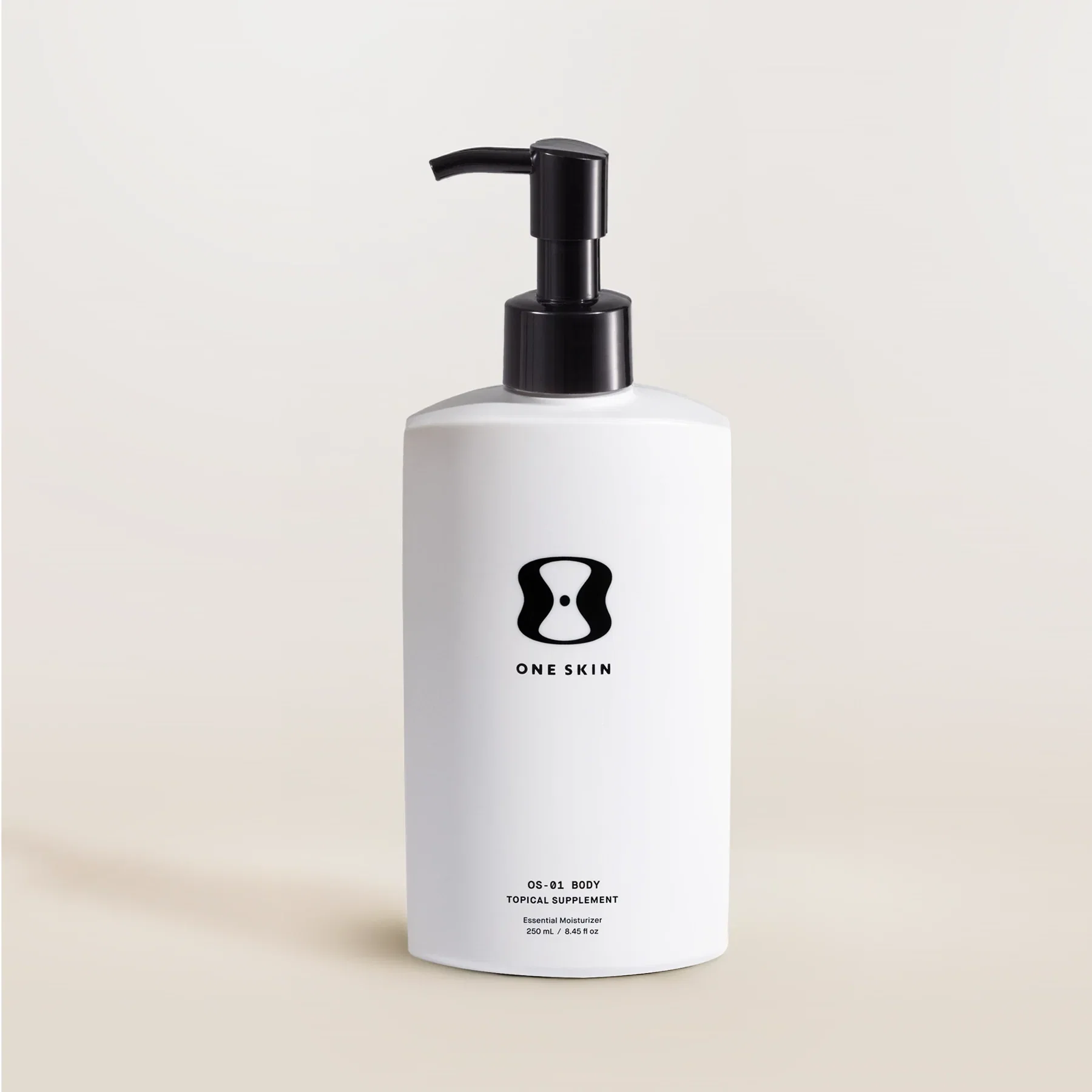
[00:13:11] Chalene Johnson : And then I had a friend recommend a product called OneSkin. You’ve heard me talk about it before. This stuff makes a huge difference, so if that’s something you’re struggling with, just skin that feels really dry or crepey, trust me when I say you wanna try OneSkin. I love their full body lotion. It just goes on so nicely.

[00:13:29] Chalene Johnson : It’s light. There’s no fragrance. There’s no toxic ingredients. That’s very, very important. It works wonderfully for sensitive skin. It’s been dermatologist tested, and the stuff is just amazing. It’s loaded with peptides, so you’re just gonna feel a difference. Trust me when I say this. But here’s the key.

[00:13:46] Chalene Johnson : This is my recommendation. This is girlfriend to girlfriend. Get the SPF tinted moisturizer for your face. It is amazing. I’ve tried a bunch of tinted SPFs, and I didn’t feel like they were tinted. Do you know what I mean? Like, this literally kinda smooths out your complexion. You don’t even need to wear makeup, I swear.

[00:14:04] Chalene Johnson : I’m saying that, then you know it’s really good. I also love their full body SPF, which is really important if you’re out walking in the sun, or even if you’re just exposed in the snow. You’re still getting exposed to sun, and you wanna make sure that your face stays nice and young. You don’t want age spots or sunspots, and OneSkin has amazing products.

[00:14:23] Chalene Johnson : Because they are a show sponsor, you get a nice little discount. Go to cheline.com/SPF. It’s also a wonderful way to support the show, and I really appreciate that. Again, it’s cheline.com/SPF. But you can find all of their products from that link. Check it out The next question I’m gonna ask myself is, is there something I can contribute?

[00:14:45] Chalene Johnson : ‘Cause if I’m just telling you about a horrific house of horrors just discovered in the Midwest, I’m not contributing in any way. I’m just, I’m just sharing more evil stories with you, and that, that doesn’t help you. So I need to ask questions like Is there something people aren’t thinking about? Is there an angle others haven’t considered?

[00:15:09] Chalene Johnson : Am I connecting this individual case to a larger issue that in some way could help my community? Because if I’m just simply repeating a disgusting, horrible story that you could hear anywhere, it just doesn’t belong on The Chalene Show. That’s what I’m thinking. And then lastly, can I discuss this without, in a way that doesn’t amplify the worst parts of it, like the most disturbing parts?

[00:15:36] Chalene Johnson : And I like to think that I’ve done a decent job of that in a few examples, but there’s also places where it’s almost unavoidable to not mention the most horrible graphic parts. And so I’m just going to, in the future, I don’t need to include those details. Perfect example is a case that I was considering telling you about today.

[00:15:59] Chalene Johnson : It involves another mom and her child. Some are alleging that it might be, I don’t wanna say inspired by, but certainly you’re gonna draw some parallels between this new story and the Lindsay Clancy case. As I was reading through it, I’m like, “I just don’t know what the value is. What is it I want my audience to know?”

[00:16:24] Chalene Johnson : And I guess what I would want you to know, I don’t need to give you the details, because sometimes the details teach other people how to do things, or it inspires them in a weird, horrible, gruesome way. That’s not good in my opinion. So I can tell you generally that there have been at least one other case last week where this mom was known to have been very involved in discussing Lindsay Clancy and her particular case, was very empathetic towards what she was going through, and now some horrible things have happened to one of her children.

[00:17:08] Chalene Johnson : And I don’t need to give you gruesome details. I can just say I think we have a real problem in our country the way that we sensationalize some of the most horrific crime cases. When they are overly exposed and we’re making documentaries about them and everyone on every single social media platform is weighing in on it and discussing details, it becomes pervasive, and it’s all we’re thinking about, and, and that’s just not good.

[00:17:39] Chalene Johnson : So that’s what I wanna share with you, and I also wanna say it’s also one of the reasons why I want to avoid talking about some of these things, because I don’t think the value outweighs the potential harm So I’m going to ask myself in the future, could this conversation genuinely educate or protect people in some way, or could I potentially be normalizing something so horrific, giving maybe a perpetrator more attention, or adding to this constant stream of darkness without offering anything constructive?

[00:18:19] Chalene Johnson : I’m just gonna give myself a little bit more time to think through this, but I’d love to get your feedback. It’s always helpful. If you want all the specific details, there are podcasts that that’s what they cover. That’s not what I want the show to ever be anyways. So if it passes those standards, if I can find a way that I really do think that there’s something to be learned from covering it in a respectful way, then I will.

[00:18:47] Chalene Johnson : Otherwise, I won’t. And if you haven’t noticed already, we’ve started adding time codes to our show description, so whether there’s a topic that you might want to just skip or something you wanna skip forward to, you can now find that very quickly. Let’s talk about your brain, the estrogen study that no one is really talking about.


00:19:10

New Stanford study: estrogen and Alzheimer's brain plaque

[00:19:10] Chalene Johnson : Now, we’ve talked about the Women’s Health Initiative before that basically scared an entire generation of women and their doctors off of hormone therapy overnight. Kind of as a side note, depending on how old you are, I often worry about women who are 65 to 90, who were that generation of women who basically were told that they shouldn’t do hormone replacement therapy.

[00:19:42] Chalene Johnson : How are they feeling with all of these studies, with all this information, with everyone running around saying, “You’re gonna die young. You’re gonna have all these problems if you don’t get on HRT”? Well, what, what about that generation of women They’re doing okay. And I’m, I’m saying that to you because I think there’s a lot of fear-mongering that can happen around HRT, and we just kinda have to put these things in perspective, and I wanna say that before sharing with you information about this new study.

[00:20:15] Chalene Johnson : Okay? In this new study, Stanford published just August 12th. It is a peer-reviewed medical journal analyzing data from over 21,000 women across two large Alzheimer’s research databases, including clinical testing done while they were alive, plus autopsy findings after death. Okay? Here’s what they found, and this is remarkable.

[00:20:42] Chalene Johnson : Women who were on estrogen-only hormone therapy had less Alzheimer’s-related damage to their brains. We’re not saying they… These are women who felt like they were sharper or that they had a better memory. No. They actually looked at the brain tissue after death, so this is autopsy confirmed. This isn’t women reporting on what they think they’re experiencing.

[00:21:08] Chalene Johnson : We were looking at the brains. And the part that gets me is every other study on this topic basically has said, “Well, she said she felt foggy, and then she took estrogen, and then she felt less foggy.” You know? And s- so that’s, like, kind of like a vibe. It’s a feeling. But this study- Isn’t a vibe. This is someone’s brain under a microscope years later showing measurably less plaque buildup, the plaque buildup that we associate with Alzheimer’s.

[00:21:40] Chalene Johnson : It’s the first study that’s ever measured directly instead of just going off of symptoms. Oh my God, that reminds me. Can I tell you about this? Don’t let me forget. I wanna talk to you about skin and collagen in a new study that I just read, but I digress. Okay, so a few important details about this specific one that I’m talking about, the estrogen-only therapy.

[00:22:02] Chalene Johnson : That specific detail matters because estrogen only and combined estrogen progesterone therapy have shown different results in past research. The question I had when I read this study is, okay, wait, what women would just get estrogen and wouldn’t also get progesterone, right? Or progestin even? Well, I can tell you, women who’ve had a hysterectomy.

[00:22:31] Chalene Johnson : This isn’t like a blanket everyone go get on estrogen. I’m not your doctor. I’m not telling you what to do with your body. I’m not telling you you’re gonna have a higher risk of Alzheimer’s if you don’t get on estrogen. I’m reporting this study to you. If you’ve been told that hormone therapy is just for hot flashes or just for mood swings, or your doctor pooh-pooh’d you because they’re still operating according to the Women’s Health Initiative that’s 20 years outdated, this study, you can print it out, you can bring it to your next appointment, you can ask your clinician this question.

[00:23:09] Chalene Johnson : You can say, “Is this an option for me?” Maybe you’ve got a history of Alzheimer’s. Maybe you’re like me and you’re just terrified Of having Alzheimer’s, of having dementia, and you wanna do everything in your power to minimize your chances, well, then you wanna ask your doctor about this study. Okay? I’m gonna link it in our show notes.

[00:23:29] Chalene Johnson : It’s a long link, so I can’t just give it to you, but just l- scroll down below, or just remember to ask your clinician to look it up. Okay? Because I think it’s really important that we collect the information, that we assess it according to what is right for us, what feels right with us, that we can make a collective decision with a well-informed clinician, a clinician who hopefully has some specialized training as it relates to women’s hormone health.

[00:23:59] Chalene Johnson : I know you’ve got a great doctor, but if you feel like you know more about the subject than they do, y- you’re working with the wrong clinician. Find yourself someone who geeks out on it just as much as you do, hopefully even a little bit more. We interrupt this broadcast to bring you a very important public service announcement regarding you becoming an advocate for yourself.

[00:24:21] Chalene Johnson : When it comes to your care, you still have to be the advocate. As educated, as helpful, as knowledgeable, as intelligent, as credible as your care providers are, they still don’t know you And that is why I always want to remind you when you’re seeking care, especially as it relates to your hormones, you’ve got to take the lead.

[00:24:40] Chalene Johnson : You can’t expect your doctor, your provider, to tell you what to do. Like, if you want to talk about GLP-1s and microdosing it, well, then you got to bring that up. If you’re interested in switching the type of hormone replacement you’ve been on, and you’ve got a friend who’s tried this or that, you’ve got to bring that up.

[00:25:00] Chalene Johnson : You’ve got to come prepared. You have to know your options. You need to come with a list of questions, and you get to guide the conversation. You get to tell your provider, your clinician, where it is you want to go. I mean, yes, you can let them be the Sherpa. Obviously, they are there to help you, but they can’t read your mind, and sometimes they’re reluctant to suggest things for fear that they might offend you or for legal regulations.

[00:25:25] Chalene Johnson : So don’t be shy. Be prepared. And this is true whether you’re going to a new dentist or a new OBGYN, or you’ve just discovered Midi Health. Now, if you don’t have a doctor locally that can treat you, that you feel really confident that they’ve got up-to-date training when it comes to your health, your hormone care as a woman, I’m really excited to be able to suggest a solution for you, Midi Health.

[00:25:52] Chalene Johnson : And Midi was founded by women to solve a problem we have right here in the United States, that most physicians, most doctors, most clinicians have zero or very, very little up-to-date training when it comes to women’s hormone health. And we all need access to affordable care that’s covered by insurance, and Midi Health has set out to make that a reality.

[00:26:13] Chalene Johnson : Midi clinicians are all menopause experts. They understand the symptoms, the latest research, and they can share with you all of your options, not just the one that they’re partial to. All women should be working with a medical team that actually gets it. Now, this is a company that offers virtual visits.

[00:26:29] Chalene Johnson : This makes it really comfortable for you to share and discuss your symptoms in a virtual visit from the comfort of your own home. There’s no membership fees. There’s no hidden costs. Your visit and most all of your prescriptions are likely covered by your insurance provider. They do specialize in insurance-covered care.


00:26:46

Women's bodies and why we police each other

[00:26:46] Chalene Johnson : Book your virtual visit today by going to chalene.com/midi. Okay, let’s talk about Women’s bodies and why we police each other. I wanna first call myself out. There was a woman who popped up on my For You page the other day, and I’m like, “Oh, I remember her from my Beachbody days.” She was a coach. I recognized her face, but I didn’t recognize her body.

[00:27:19] Chalene Johnson : I’d always known her to be fit, healthy-looking. I saw her on my social media, and I just was like, “Oh my God, she’s emaciated.” And my very first thought was, “Oh, I bet she’s on a GLP-1.” I’m just admitting that was my very first thought, and I want to admit that because that’s what I need to talk to you about what’s happening on the internet.

[00:27:44] Chalene Johnson : Because I saw her, I had that thought, and I had to catch myself and remember people have lost weight before GLP-1s. Maybe she has an eating disorder. Maybe she has cancer. Maybe she’s just lost a lot of weight the same way we’ve always been able to lose a lot of weight. But I also want to acknowledge that, like, my first thought is, “Oh my gosh, is this a GLP-1?”

[00:28:12] Chalene Johnson : And there is apparently this is very prevalent in our society. When we see a woman’s body change, especially when she’s dropped weight, and we didn’t hear, we weren’t told she was going on a diet, we weren’t told she has cancer, we weren’t told that she had an eating disorder. I think because so many people have come out and shared that their weight loss journey is because of fill-in-the-blank GLP-1, then whenever now we’re- it’s just like we’re almost trained to when somebody loses weight, we’re like, “Ah, they’re on a GLP.”


00:28:50

Kate Beckinsale, Kelly Osbourne, Lizzo, Kylie Jenner & Olivia Wilde on Ozempic speculation

[00:28:50] Chalene Johnson : Kate Beckinsale wiped her entire Instagram last week, not because of a PR crisis, not because of a scandal, but because trolls have decided that she is on Ozempic, and she was just done with it. But here’s what she actually said when she came back online. Her mom died last year. She’s been grieving, and grief does horrible things to your body.

[00:29:18] Chalene Johnson : It does horrible things to your immune system, and nobody tells you about that. For some people, they gain weight. For some people, they hold so much inflammation, and maybe they turn to a food for comfort. For others, the world feels out of control, and grief has a way of making you feel like the rug’s been pulled out from underneath you.

[00:29:42] Chalene Johnson : Women or, or people, I should say, in general, can lose their appetite. Their sleep changes. F- for some people, when they’re under a lot of stress, it’s that fight or flight response that makes them feel like they’re on a revved up a- adrenaline rush 24/7, and their bodies just run at a faster rate, and they can’t keep the weight on That’s what Kate says has been going on.

[00:30:07] Chalene Johnson : And she said on top of that, she has a very real diagnosed autoimmune condition called mast cell activation syndrome. By the way, way more common with women in perimenopause. For her, she’s had it since she was 16 years old, and everybody’s body responds differently to grief, to stress, to trauma. If you recall, Kelly Osbourne got really very, very thin, and again, people were saying, “Oh, she’s on Ozempic.”

[00:30:39] Chalene Johnson : Kelly Osbourne doubled down. She said, “No, my mom was on Ozempic. My mom is off Ozempic. My mom can’t put the weight back on. My weight is a result of dealing with extreme severe grief.” I have heard reports that she’s on a health journey and that she’s doing much better now. But for Kate Beckinsale, she’s like, “I, I’m just…

[00:31:01] Chalene Johnson : I’m sick of strangers online deciding that they know my body better than me.” And she’s not the only one that this happened to. So Lizzo had also been accused of the exact same thing after a photo went around. Someone actually commented asking if she was using Ozempic or snorting coke Lizzo’s response was a video where she basically said, “Oh, good.

[00:31:25] Chalene Johnson : I finally earned my Ozempic allegations after months of actual weight training and watching what I eat,” which honestly, iconic. I mean, if that’s true, great. But I can’t help but admit that when I hear people say that, I would be lying if I didn’t also think to myself, “Uh, but maybe it’s Ozempic. Maybe it’s a GLP-1.”

[00:31:53] Chalene Johnson : I’m just being honest. I’m just being all the way real right now. That’s my first thought, especially when it’s someone who I, or we I should say, in the general public, have seen them try to lose weight for such a lo- long time and, and then all of the sudden they drop the weight really fast. It’s just our natural process of elimination.

[00:32:16] Chalene Johnson : But at the end of the day, we don’t know the truth, unless of course they wanna share the truth, and Lizzo has said that she’s been lifting weights, that she’s been tracking her food. She said it’s all the boring stuff that nobody ever wants to hear about, and it’s not a quick answer. Kylie Jenner got it too after having her second baby.

[00:32:33] Chalene Johnson : She had to go on the record and basically say, “Hey, does everyone forget that I gained 60 pounds and I’ve done this twice?” She was like, “I’m not on anything, and I’ve done this with each of my babies. I had a trainer, and I did the work the old-fashioned way by, you know, eating less and working out,” and she’s still getting hit with the same accusations, and that is just, it’s where we’re at.

[00:32:57] Chalene Johnson : Olivia Wilde’s another one who I think she showed up somewhere looking very thin People started in with the comparisons, the photos. Some people accused her of being on drugs. Some people accused her of just being addicted to GLPs even though she’s never said she’s taken one. But that’s the thing with women and weight loss.

[00:33:20] Chalene Johnson : It’s never the guys. Isn’t that wild? It’s never the guys speculating, and we’re never even speculating about men losing weight. I guess the other reason why is when men lose weight, they just come right out, and they’re like, “Yeah, I’ve been doing a GLP-1,” right? But for women, we just really have been conditioned to judge and to question and to feel a little bit of ownership over anyone who’s in the public’s eye and their physique.

[00:33:49] Chalene Johnson : The internet does not know how to talk about a woman’s body without really turning it into investigation, and that’s the whole thing right there. Like, it, it doesn’t matter what actually happened to any of these women or how they’ve lost the weight, I don’t think. Like, whether it’s grief or a chronic illness or they did it the old-fashioned way, like going to the gym and cutting back on some of their food or, or maybe it’s just, like, a really good angle.

[00:34:16] Chalene Johnson : The assumption is always identical every single time, and it’s always about her body first. Her… The actual explanation is a distant second. First, we wanna talk about whether she looks good, whether she looks too thin, and, you know, sometimes that just happens within a couple of pounds. Oh, she looks fantastic.

[00:34:37] Chalene Johnson : She looks fit and healthy. She loses a couple more pounds, and now we’ve decided it’s dangerous. But isn’t it interesting that we never say when a woman gains 25 pounds or 50 pounds or 75 pounds that she– we’re worried about her health? We just don’t do that. But we say it when women get thin I don’t know.


00:35:00

AI deepfakes and fake AI-generated profiles

[00:35:00] Chalene Johnson : Please also do not forget that there are so many photos floating around the internet that are inaccurate. They’re false. They’ve been created with AI. One popped up on my For You page the other day of Demi Moore. Demi- Is it Demi or Demi? Demi Moore. Demi, right? Demi, Demi, tell me. Tomato, tomato. Shailene, Shailene.

[00:35:26] Chalene Johnson : No, it’s Sha-lene, like shut your mouth. Shut the door. Sha, Shailene. Anyways, I saw an image of her the other day, and I’m like, “Oh my gosh, this is horrible. She looks like she’s going to die.” But then I looked underneath, and all the comments were like, “This is AI. This is AI.” But sometimes you’re gonna see a post and not enough people have seen it and put the image into a filter to determine if in fact it is AI, and you’re gonna think it’s real.

[00:35:56] Chalene Johnson : Ladies and gentlemen, we are about to enter a territory where we will no longer be able to identify what is real and what is fake You heard last week I talked to you about some of the profiles on Instagram now where it- they’re supposed to identify the profile as an AI-generated profile. I have a couple of acquaintances that I follow that I keep checking back to see when their accounts are gonna get flagged as AI, because their is so filtered and AI-generated.

[00:36:31] Chalene Johnson : I’m like, “Girl, what are you doing?” I know sometimes we get lazy and we don’t feel like taking photos, or we don’t feel like creating new video content, but dude, when your whole account is, like, basically AI-generated of you, eh, that’s weird. And some people can’t tell, and it’s gonna get better and better and better, and it is why I’ve got a new story for you.


00:36:53

40% of Americans scammed by AI (plus real scam clips)

[00:36:53] Chalene Johnson : Two out of every five US citizens have already been scammed by AI. A new survey published last week found that two out of five Americans, that is 40%, do you understand? 40% of us have already been taken advantage of by an AI-powered scam. It can be a fake voice that’s calling you. It can be fake faces, fake officials, fake influencers, that you’re like, “Oh, this is so sad,” or, “This is so inspirational.

[00:37:27] Chalene Johnson : I wanna support this business,” and it’s a scam business. Or maybe it’s a real business, but who it is you think you’re supporting, you’re not. You know? Like, the videos of, oh, the, the woman crying because her husband, his little shoe cobbling business is about to go under, and if you can just order these slippers from the link in my bio, and grandma’s link in her bio actually goes to Shein.

[00:37:54] Chalene Johnson : Bunch of BS. Yeah, 40% of us have fallen for that, and that’s a lot of people. Statistically, that means somebody in your family has already fallen for it if, if it wasn’t you. And I know I’ve shared a lot of these stories on the show, and I wanna continue to do that, because I think we’re all susceptible to it, and it’s gonna get better and better and better.

[00:38:16] Chalene Johnson : Someone’s mom is gonna wire money to someone she thought was her daughter crying on the oth- other end of the phone in trouble, because she’s gonna hear her daughter, and it’s not gonna be a recording. They’ve got such incredibly advanced cloning devices now where it’s like a filter, but it’s created to sound exactly like the person who it is replicating.

[00:38:42] Chalene Johnson : So you can ask questions like, “Honey,” whatever it is you need to verify that it’s actually your daughter, and they can answer in real time, but it’s a scammer on the other end with this clone technology. And this generation of scams feels very different from the ones our parents used to warn us about, and the reason why is your intuition with these is going to play a smaller and smaller role, because the tools can clone a voice in just a few seconds.

[00:39:11] Chalene Johnson : They can generate a face on a video. You know, you’ve seen the filters or whatever on Snapchat or any other platform where when you apply the filter, it changes your face. You can be a woman, you turn on the filter, and now you look like an old man with a saggy face. Like, these filters are getting really, really good, especially the voice filters are just so easy.

[00:39:36] Chalene Johnson : Listen, I can tell you about these things. I can warn you about them, but sometimes it’s just the most powerful thing that I can do is let you hear directly from the source. So listen to this.

[00:39:48] Clip: A woman received a call demanding a ransom. A man said he was holding that woman’s daughter hostage, but it was all a scam.

[00:39:56] Clip: Debra Del Mastro never thought something like this could happen to her. I answered the phone, and the voice on the other side said, “I have someone here that you need to talk to.” The stranger on the phone said her adult daughter, Sarah, had been kidnapped, and he claimed to have proof. I hear my daughter’s voice, sobbing, trying to, trying to breathe, having a panic attack, and she says, “I’m so sorry, Mom.

[00:40:20] Clip: I’m so scared. I’m so sorry.” My mouth just dropped. The caller demanded Del Mastro wire $5400 to multiple locations in Mexico. I was ready to do anything to save my daughter, to protect her, to save her, to get her back. She wired the money. Only then did she try calling her daughter. Sarah answered right away.

[00:40:41] Clip: She was at work like normal. The whole thing was a scam. The money was gone. With AI, scammers can now replicate voices using just a snippet of sound from a social media post or a taped phone call.

[00:40:54] Chalene Johnson : What they can do with just a few seconds of your voice, they can clone it, and they can essentially m- produce sound that sounds exactly like you.

[00:41:05] Clip: Del Mastro hopes others can learn from her mistake. I’m a Navy veteran. I’m usually very good in a crisis, okay? And I totally, totally believed this guy had my daughter. If we can just raise awareness so that this doesn’t happen to anybody, that more people will be aware of this, this ruse, you know, this new way to scam your money.

[00:41:29] Chalene Johnson : So just a reminder, public service announcement, remind your parents, remind your kids, remind your friends that this is happening, and share with them specifically what scenarios this is happening in. So here’s one that I want you to take a listen to. This one has happened in so many different ways, but if you just share this particular story, like what happened in it, and tell your friends and family m- And just remember that If you get a phone call from somebody who urgently needs money, you need to have a password.

[00:42:07] Chalene Johnson : Okay, listen to this.

[00:42:09] Clip: Neil asked us to shield his identity, but he wanted to share what happened to him to warn others. About a week ago, he got a phone call from someone claiming to be his son. My son said, “Do you know who this is?” And I said, “Yes. It’s Brian.” He said, “That’s right.” I thought I was talking to him, ’cause it was his voice.

[00:42:28] Clip: The caller said he had been in a serious car accident and was facing charges for talking on his phone while driving. A man who claimed to be his son’s lawyer said he needed money or his son would spend the night in jail. The lawyer said I needed to post bail of $6,000 to get Brian out of jail. An Uber driver arrived, and I handed him the package with the $6,000 in it.

[00:42:52] Clip: Neil says after he sent the bail money, he called his son the following day to check on him. I happened to call Brian the next day and asked how the meeting with the lawyer went, and he said, “What lawyer?” And I said, “Well, what about the accident you were in?” He said, “What accident?” And then I realized that I had been scammed.

[00:43:10] Clip: Cybersecurity expert Jane Arnott says criminals now just need a small sample of a person’s voice to clone it. They’re then able to impersonate someone to sound just like them. What they can do just by getting about 10 seconds of anyone’s voice, they can recreate that voice to sound exactly like that person.

[00:43:30] Clip: To avoid AI scams, don’t post videos on social media, don’t answer calls from numbers you don’t recognize, have a family safety phrase or code word, in an emergency call family members directly, never send cash, and don’t be rushed to make decisions. Neil regrets losing $6,000, but says in the moment he really thought the caller was his son.

[00:43:53] Clip: Well, I can tell you that now they have managed to simulate that voice, and you believe it’s real.

[00:44:02] Chalene Johnson : I love how the newscaster said, “In order to avoid being scammed, don’t post videos or your voice online.” Okay, well, too late. Boy, if anyone wants to scam my parents with my voice, there’s an unlimited amount of content out there.

[00:44:22] Chalene Johnson : My dad is really good at picking up the scam voices that are not mine, because, like, I will send to my parents sometimes videos that scammers have made of me promoting other products, and my dad’s like, “I can tell in two seconds that’s not you.” I’m like, “Okay, well, good.” Either way, you need to make sure that you and your family, and your friends too, this is happening a lot with friends, where people will get a phone call and they’ll be like, “I’m calling on behalf of your best friend,” blah, blah, blah.

[00:44:48] Chalene Johnson : “She’s been in a car accident.” You know, and this stuff is so easy for scammers to figure out They just do a little bit of social engineering. Facebook will do it for them. They can determine who your best friend is, and that they can tell that your best friend is divorced or she’s widowed, and that she wouldn’t have a husband that she could call.

[00:45:08] Chalene Johnson : I mean, these things, it’s so easy for them to scam us, and it’s happening a lot. So have code words. And the other thing to keep in mind is a bank is never gonna call you, Apple is never gonna call you. None of these organizations are ever gonna ask you to enter your passwords or enter your information.

[00:45:29] Chalene Johnson : And also, it almost always happens on the weekends, because then you can’t call the bank, because then you can’t confirm if in fact this is legit. So anytime somebody urgently needs money from you, like right now to save someone, it’s probably a scam.

[00:45:47] Clip: One of the things I did not over pack this year for our

[00:45:50] Chalene Johnson : travels is my bras.

[00:45:52] Chalene Johnson : And maybe that’s too much information, but last year I brought like so many different bras and I’m like, “Why?” I didn’t end up wearing half of them. I only wore the one that was most comfortable, and that is my Honey Love bra. So this year I only brought two bras. That’s it, and they’re both Honey Love, well, other than my workout bras.

[00:46:09] Chalene Johnson : But half the time I kinda wanna wear this Honey Love bra to work out in, and I think you probably could too. These are the best bras. They also make amazing shapewear. My favorite bra, it’s the Crossover Bra from Honey Love. Honey Love has revolutionized compression. So you know how when you normally wear like shapewear it kinda rolls over or it squishes your fat into

[00:46:30] Clip: an area where you’re like, “Okay, this is not cute”?

[00:46:32] Clip: Well, I don’t know what technology they have used, but it’s the only shapewear that does not roll down. I, I don’t care how hardcore you are on the dance floor, this shapewear does not move, and their bras are crazy comfortable.

[00:46:47] Chalene Johnson : And you get 20% off when you go to their site, honeylove.com/chalene. Honey Love, that’s so easy to remember.

[00:46:55] Chalene Johnson : Honeylove.com/chalene gets you 20% off bras, shapewear that actually works, bodysuits, underwear, loungewear. So many things I can talk about, but I don’t wanna overwhelm you, don’t wanna confuse you. Oh, they’ve got these really cute leather leggings too. Anyways, back to the bras. If you’re in need of a bra, definitely do the Crossover Bra.


00:47:20

Ageism at work: the viral "refused to train my replacement" story

[00:47:20] Chalene Johnson : But seriously, all of their materials are so yummy. We should get them to come to Camp B.More. Honey Love, if you’re listening, you would love the girls at camp. Anyways, honeylove.com/chalene. That will get you 20% off. Back to the show. I’m curious if you have had friends who’ve been replaced by someone younger or replaced because their position was no longer needed because AI has basically been able to do the job more efficiently, less expensive obviously.

[00:47:56] Chalene Johnson : ‘Cause I’m hearing a lot of these stories. More often than not, it’s AI replacing full sectors of people. I’ve always said I don’t, and I still believe, that those who understand how to adapt, how to use AI as a tool, who know how to apply their own expertise and aren’t just, like, defaulting everything to AI, they’re going to survive.

[00:48:23] Chalene Johnson : They’re gonna do well. But what’s still apparently happening in the workforce unrelated to AI is something many believe is ageism. So I want you to hear this story. This was in social media. This is a woman… What was her name? Jennifer. She’s, like, 50-something. She works in tech. She’s, like, a consultant. She has opportunity to apply for this promotion.

[00:48:45] Chalene Johnson : She’s very qualified. She doesn’t get the promotion. That doesn’t make sense to her. But then she finds out they’ve given it to this 25-year-old who has zero experience in the role, and they don’t have to pay her anything. So of course, they ask Jennifer to train the young woman who got the role, who got the job, but at a much lower rate Jennifer is like, “Um, no.”

[00:49:13] Chalene Johnson : And HR was like, “What do you mean no? You have to train her.” And Jennifer’s like, “Actually, no, I don’t.” I love her attitude. She basically just detailed for everyone what happened, and the video has gone completely viral. All right, take a listen.

[00:49:32] Clip: I watched a 25-year-old get my promotion, and then they asked me to train her.

[00:49:35] Clip: Here’s what I said: “No. Not sorry, not maybe later, not let me check my schedule, just no.” She looked shocked, my manager looked furious, and HR sent me an email about being a team player. I didn’t care, because here’s what just happened. They passed me over for a promotion that I had earned, gave it to someone fresh out of grad school with zero experience, and then expected me to teach her how to do the job they said I wasn’t good enough for.

[00:50:03] Clip: The audacity is stunning, isn’t it? You want me to train my replacement? Pay me. You want my 25 years of knowledge? Pay me. Consulting rates triple my salary. You want me to smile while you’re humiliating me? Wrong person. I am not your free training program. I am not here to make your cheap labor look competent, and I am not going to hand over everything I know so you can pay her half of what you pay me.

[00:50:29] Clip: They told me I was being unprofessional. I told them I was being appropriately compensated for my expertise, or I wasn’t sharing it. And they said I wasn’t supporting the team. I said, “The team didn’t support me when I asked why I didn’t get the role.” Silence. Here’s what I learned. The second you stop being useful, they stop pretending to care.

[00:50:48] Clip: So stop pretending you owe them anything.

[00:50:51] Chalene Johnson : If you wanna check out, she’s done a series after this particular video answering a lot of questions and actually offering good advice to other people who are in a similar situation. Her Instagram handle is @theunobsolete, U-N-O-B-S-O-L-E-T-E, unobsolete, theunobsolete. She basically is calling out this kind of thing because it’s happening more and more.

[00:51:19] Chalene Johnson : And frankly, I think we’re gonna see less ageism in the workplace and more AI-ism. Is that a thing? Where people are… They’re just… It’s easier, it’s cheaper, it’s more effective to let go of this team member because AI can do it in a matter of seconds, and AI doesn’t call in sick, and AI doesn’t have a difficult time getting along with Julie in accounting, and AI doesn’t have to go pick up their kid when they’ve got a fever.


00:51:55

A new collagen study Chalene is personally testing

[00:51:55] Chalene Johnson : The workforce is going to change. Dude, it’s already changing. I’m not trying to brag, but right now I am so proud of myself because about 35 minutes ago, I told you… Oh, don’t let me forget. I wanna tell you about this one study that I just looked at regarding collagen. Okay. This is trippy. I’m not gonna tell you about the study yet because I don’t have it in front of me, but I’ve been testing this, I can’t tell you the name of it, but I’ve, I’ve been testing this treatment on my skin for collagen.

[00:52:31] Chalene Johnson : Now, yes, I’m still using my estrogen cream, but this is different than estrogen cream. I’ve been testing out this formulation that this company’s been doing all this research on, and I did a call with their scientist the other day, and I was telling them like how remarkable my own skin looks, and I’m like, “But that’s not strong enough for me to recommend it to my audience.

[00:52:55] Chalene Johnson : So I’m, I’m very curious about the studies that you’ve done.” So they’re going over the results. Okay, here’s the part. I’m just gonna give you a warning right now. You can dip out if you want. This is a little bit gross in my opinion, so you can dip out if you have a queasy stomach. The scientist is going over the results of the study and she says that there was a 28% increase in collagen production.

[00:53:20] Chalene Johnson : I hear this and you know I’m very skeptical always, very skeptical, especially of anything skincare related. So I wasn’t trying to call them out, but I said, “Uh, where are you getting the 28%? Is this based on what people are reporting? Are they telling you this percentage? Like, how are you coming up with 28%?”

[00:53:42] Chalene Johnson : Right? It’s collagen. And she explains to me, this is the part that’s kind of gross. She said, “Well, no, we actually slice the skin in, you know, our samples in the laboratory and microscopically the collagen is measured.” I said, “You slice the skin? What do you, what do you mean? Can you explain?” And she says, “Well, we actually receive skin.”

[00:54:10] Chalene Johnson : And I said, “From, from cadavers?” She says, “No. We our studies involve skin that’s been harvested from plastic surgeries.” So of course my brain, while she’s explaining this, I’m like, “There’s a very good chance that some of my skin, maybe my face, was in one of those Petri dishes.” I’m sorry, I think that’s kinda funny.

[00:54:40] Chalene Johnson : Anyways, fascinating though, right? They actually take skin that’s been discarded, I guess. I don’t know. I probably signed a waiver and said, “Yeah, that’s fine.” I have no idea. I don’t remember. But that’s where they get the skin, and she says, “In the laboratory we can actually keep the skin alive.” She says, “I’d, I’d love for you to come and see it.”

[00:55:02] Chalene Johnson : I’m like, “I’m good. I trust you. That’s fine.” I said to Brett last night, I go, “Would you look at this face of mine right now?” Obviously a facelift certainly doesn’t hurt. It has helped. Facelifts don’t help with collagen. Facelifts make your skin thinner. That’s why I’ve been very focused on collagen, and I, I think my results were great.

[00:55:27] Chalene Johnson : And then in, I would say, let’s see, I had my face lift in November. I’d say around May I just felt like my face looked so thin, like grandma old. Like, yes, I know, not droopy, but grandma old thin. Do you know what I mean? I’ve just been like really hyper-focused on increasing my collagen. And so anyways, I’ve been experimenting with a few different treatments, and this one, because of the science behind it, really had me intrigued, and I will share more with you about the full treatment once my own personal little experience, experiment I should say, has been wrapped up.


00:56:10

Storm update, landlord dispute, and Patreon

[00:56:10] Chalene Johnson : Thank you for those of you who reached out to ask how we’re doing and if, if our house in Southern California survived the storm. Thankfully, I mean, God is good. Somehow our little strip of the beach in Southern California where our house is, so many of the homes on both sides, literally the house right next door on both sides, I don’t wanna say wiped out, but like major damage.

[00:56:38] Chalene Johnson : And our house, the way it was built- Thankfully, no damage, so that’s beautiful because we’re already in the process of construction related to a flood from last Christmas. Goodness gracious. If you wanna know all the personal stuff, I cover all that in detail, like all the gory details, and there are a lot of gory details this month.

[00:57:02] Chalene Johnson : I’m in a dispute with my landlord. There’s the Penelope stuff. There’s all kind- If you wanna hear me dropping a whole bunch of F-bombs and getting… If you wanna hear about, like, one of the most stressful months in recent years, yeah, check it out. It’s on Patreon. You can go to chalene.com/more. Sometimes it makes you feel good to know that other people’s problems are just as gnarly.

[00:57:28] Chalene Johnson : Hey, we all have ’em. It’s called life. Life will always be life-ing. There will always be something, right? Always. It’s fine. If there wasn’t something, then that would mean you’ve moved on to the after world. I love you. I mean it. Thanks for hanging out with me. I’ll talk to you soon.


connect with
Chalene
go beyond
The Podcast

The podcast is where the conversation starts. The after party continues inside our private community. Click the button below to join chalene on her private podcast:

TAKEAWAYS
REGISTRATION IS NOW OPEN!

Join The PodSquad on Facebook

We would love to hear from you!

Leave your questions or messages for Chalene

To advertise on our podcast,
please reach out to warren@chalenejohnson.com
and mention The Chalene Show

Join NEWSLETTER

Join my email list for free weekly tips and strategies on how to live your most productive, balanced and happy life!

© 2026 Chalene johnson all rights reserved.