
How Much Protein Do Women Over 50 Need
Protein for women over 50 might be the single most important nutritional focus for overall health and longevity. If you’ve been eating what feels like plenty of protein but still feel softer, more fatigued, and less like yourself than you did a decade ago, you’re not failing. Your body’s needs have simply changed.
I’m breaking down exactly how much protein women over 50 actually need, why the standard recommendations fall short, and the simple, no-tracking strategy that has helped me and thousands of other women finally see results. No apps, no food scales, no daily guilt. Just a smarter approach built for the body you have today.
As women age, particularly over 50, protein becomes increasingly vital for maintaining muscle, improving hair and nail health, and adapting to aging changes. Whether you’re on a GLP-1 medication or aiming to enhance your fitness, understanding protein for women over 50 is crucial. Let me simplify protein needs without the hassle of apps, scales, or macro calculations. Life’s too short to lose sleep over missing your protein target by a few grams.
Understanding Protein for Women Over 50
We’ve overcomplicated protein intake, leading to unnecessary stress. Stress, ironically, could be hindering your weight loss efforts. I’ve been there…and let me tell ya, there’s a better way.
Have you ever wondered, “I’m eating protein, so why do I still feel worse than a decade ago?” Same! You’re not imagining things, and your body isn’t betraying you.
Your body’s “operating system” has changed.
According to PubMed, as women age, particularly during perimenopause, menopause, and beyond, their bodies undergo significant changes, including the reduced production of digestive enzymes. Anabolic resistance refers to the decreased efficiency in how your body uses protein as you age. This is why understanding how much protein women need after menopause is crucial.
Practically speaking, the protein amount that maintained muscle at 35 is insufficient at 50, according to PubMed. Even with protein shakes and chicken breasts, your body may struggle to process it, leaving you feeling bloated and uncomfortable.
Most protein guidelines are based on studies of young athletic men, not women undergoing menopause. Contrary to common belief, women over 50 require more protein than men.
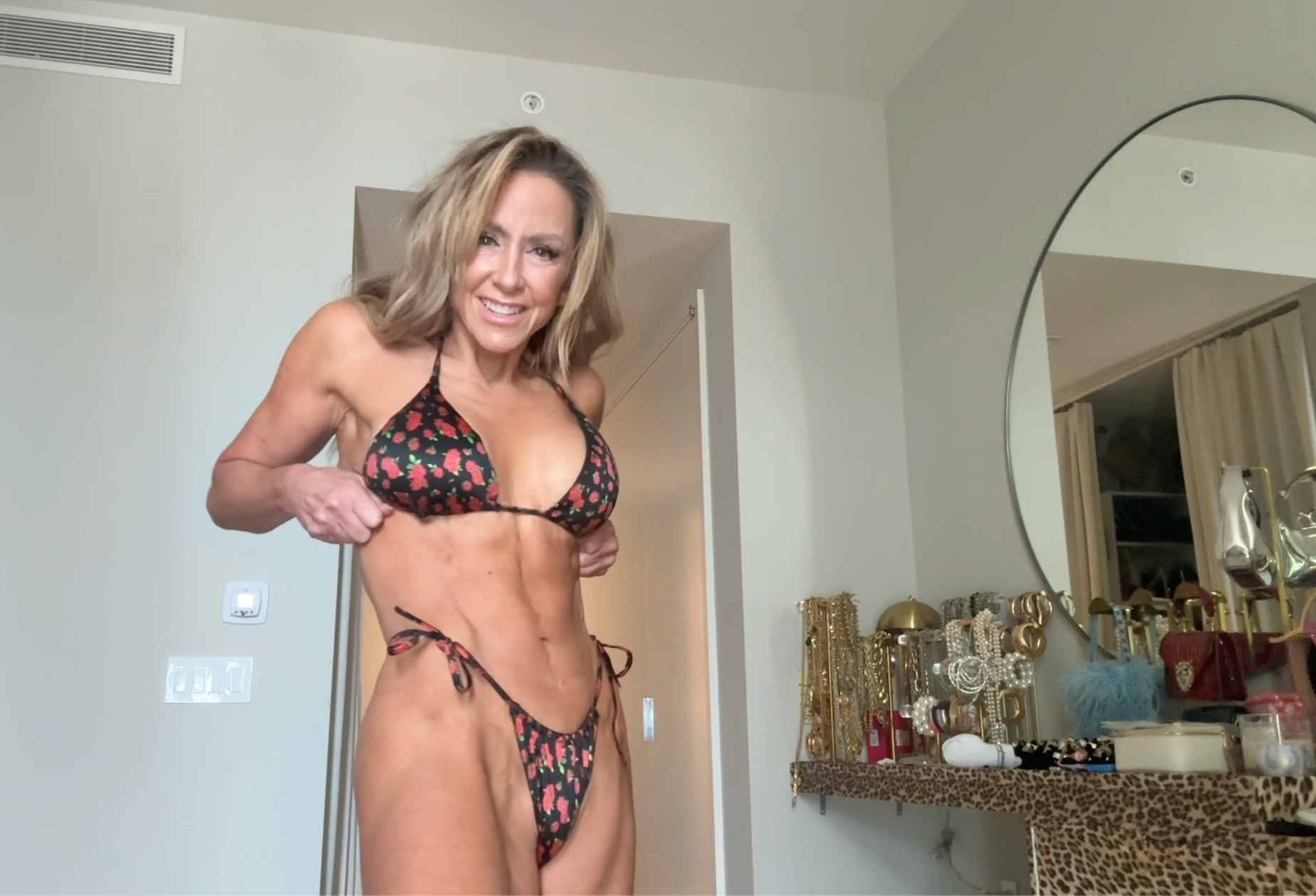
Why I Stopped Obsessing Over Protein Over 50 and Finally Started Changing
During my infomercial days, I obsessed over every macro, feeling like a forensic accountant. If I missed my daily protein target, I felt like a failure.
Ironically, my body began to change when I stopped obsessing. By allowing myself some flexibility, I became leaner, my face thinned, and inflammation decreased…all without intense workouts.
At 57, I’ve achieved a physique I never had before. The change wasn’t a program or pill; it was three simple steps and a shortcut.
How Much Protein Do Women Over 50 Actually Need?
Let’s simplify this.
Forget complex calculations. Dr. Stacy Sims (among many other MDs and nutritionists) suggests one gram of protein per pound of desired body weight to meet your protein needs. For a target weight of 150 pounds, aim for 150 grams of protein daily.
It won’t be perfect for everyone, but it’s memorable and practical enough to implement. Your protein needs don’t stop at a daily total, either. Research suggests spreading protein intake throughout the day is crucial. Studies on adults aged 55 to 85 show women consuming 30 to 45 grams of protein per meal had more muscle and strength than those consuming less.
Muscle is key to longevity and metabolic health. More muscle leads to better overall health. #Facts.
The Bonus Step Nobody Talks About: Digestive Enzymes
Before diving into the steps, understand this.
Many women increase protein intake and feel bloated or uncomfortable. The issue isn’t protein itself but the body’s reduced enzyme production.
Even if you’re consuming enough protein, your body might not absorb it properly. Adding digestive enzymes before protein-heavy meals transformed my experience. I keep them in my kitchen, car, and purse to ensure efficient protein use. I use these. (No pressure, but my link gets you a discount).
The goal isn’t just protein consumption…it’s protein absorption.
My 3-Step Protein Strategy
Meeting your protein needs doesn’t have to be complicated. We’ve been conditioned to believe it needs to be, but it doesn’t. These three steps address exactly what changes as we age: how much protein we need, when we eat it, and where it comes from, without turning every meal into a math problem.
Step 1: Get 25–30 Grams of Protein Every Time You Eat. Every meal and snack should contain at least 25 grams of protein. Before eating, ask, “Where’s the protein?” Protein naturally triggers GLP-1 hormones, increasing satiety. It’s like a built-in appetite suppressant.
Step 2: Eat Your Protein First. Prioritize protein on your plate, just like your mom told you to eat vegetables first. Finish your protein before anything else. This often leads to natural satiety, preventing overeating. During a trip to Italy, I enjoyed a homemade croissant but ate my scrambled eggs first. Protein first, always.
Step 3: Prioritize Real Protein. Protein is everywhere now, but not all sources are equal. Processed foods may contain unrecognizable ingredients that cause inflammation. Whole foods like eggs, chicken, turkey, fish, lean beef, and Greek yogurt should be your primary sources. Processed protein products are backup singers; whole food protein is the headliner. A protein bar is fine occasionally, but prioritize real protein most of the time.
Save This Protein Cheat Sheet
If you’re reading this on your phone, take a screenshot right now. This one simple framework can help you estimate protein without an app, food scale, or calculator.

The 1-1-1-4-5-6 Shortcut
To ensure adequate protein without tracking, use the 1-1-1-4-5-6 Rule.
The 1-1-1 (think white foods): One serving of…
- Cottage cheese = 25–30 grams of protein
- Greek yogurt = 25–30 grams of protein
- Protein powder = 25–30 grams of protein
- Can of Tuna = 25 grams of protein
The 4-5-6:
- 4 ounces of chicken = 25–30 grams of protein
- 5 ounces of red meat = 25–30 grams of protein
- 6 ounces of fish = 25–30 grams of protein
A palm-sized portion of lean meat or fish is roughly four ounces, covering your protein needs.
No apps or scales…just eyeball it and get on with your life.
The Collagen Trick That Adds Protein to Everything
Collagen peptides are a simple way to boost daily protein intake effortlessly.
Though not a complete protein, collagen peptides dissolve in beverages and have shown potential for improving bone density, making them valuable for women over 50.
I add collagen to my morning coffee and afternoon water, easily adding 30 to 40 grams of protein daily.
The Secret Every Fit Woman Over 50 Shares
Women who appear strong, lean, and healthy in their 50s and beyond don’t eat countless different meals… and they don’t obsess over hitting their protein needs to the gram every single day.
They rotate through 8 to 10 favorite meals, minimizing decision fatigue and staying consistent. That consistency is what quietly adds up over months and years.
Currently, I enjoy high-protein waffles for dinner, topped with a peanut butter maple syrup drizzle. It’s not conventional, but it works for me, and it easily hits 30 or more grams of protein without any effort.
Consider finishing your day with a high-protein dessert instead of wine. I have Ninja Creami ice cream recipes with 45 to 50 grams of protein that taste like dessert. Hitting your protein goals doesn’t have to feel like a chore. It can actually feel yummy, like something you look forward to.
This Is the Part Nobody Talks About
Here’s the insight from my five-year journey: Consistency compounds.
Initially, I was surprised by weight loss without obsession or intense workouts. I enjoyed my food and saw results.
Over five years, I’ve become leaner, with reduced inflammation and a slimmer face. I did this without a meal plan or workout program. It’s a simple routine.
Three steps, one shortcut, no scale needed. Consistency, not perfection, is key.
If you follow this consistently, you’ll be ahead of most women who either obsess or ignore these principles.
Frequently Asked Questions
How much protein should a woman over 50 eat daily? Aim for approximately one gram of protein per pound of your ideal body weight. If your goal weight is 150 pounds, aim for around 150 grams of protein per day. Spread it across meals rather than loading it all at dinner.
Why do women need more protein after menopause? Anabolic resistance (the age-related decline in your body’s ability to efficiently use protein) means the amount that maintained your muscle at 35 is no longer enough at 50, according to the Mayo Clinic. Combine that with the loss of estrogen, which accelerates muscle loss, and your protein needs are higher than they’ve ever been.
Does protein help with menopause weight gain? Yes. Protein supports muscle maintenance, naturally triggers satiety hormones (including your body’s own GLP-1), and helps regulate appetite…all of which directly affect body composition during menopause.
What are the best protein sources for women over 50? Eggs, chicken, turkey, fish, lean beef, Greek yogurt, cottage cheese, and seafood. Think minimally processed, closest-to-nature sources first. Collagen peptides are a great add-on for extra protein and potential bone density benefits.
Can you build muscle after 50? Absolutely. Strength training combined with adequate protein, especially spreading 25 to 30 grams across every meal, can help women build and maintain muscle well into their 50s, 60s, and beyond. One study of adults aged 55 to 85 showed that women eating 30 to 45 grams of protein per meal had significantly more leg muscle and strength than those who didn’t.
What is anabolic resistance? Anabolic resistance is the age-related decline in your body’s ability to efficiently break down and use protein. It’s one of the main reasons women over 50 need more protein than the standard recommendations suggest, most of which were based on studies done on young men, not perimenopausal women.
🎙️ Listen to the full episode on protein here on The Chalene Show
Love you. Mean it.
Chalene


