
You ever hear people talking about peptides and think… what even are those?
Are they the secret to beating belly fat, boosting brain power, or skipping meditation altogether? Can they help with menopausal symptoms? And honestly… who has the budget for all this longevity stuff—supplements, hormones, and now peptides?
I had to get the answers from the real expert: Dr. Elizabeth Yurth, double board-certified in physical medicine, rehab, and longevity medicine. She’s been in this world forever and has seen it all—good, bad, and “wild west.”
Here’s the scoop…
What Are Peptides Anyway?
They're basically tiny chains of amino acids—smaller than proteins, bigger than nothing… and your body naturally makes thousands of them.
Think of them like your body’s little messengers. They tell your cells: heal here, boost this, fix that. Unlike hormones, which can scatter signals everywhere, peptides are more targeted.
Some are made naturally by your body, like BPC-157 (from your gut—hello, healing!) and thymic peptides (from your thymus gland). Others are synthetic, designed as drugs.
The big takeaway? Peptides aren’t foreign chemicals. They’re often molecules your body already knows how to use… but we stop making enough of them as we age.
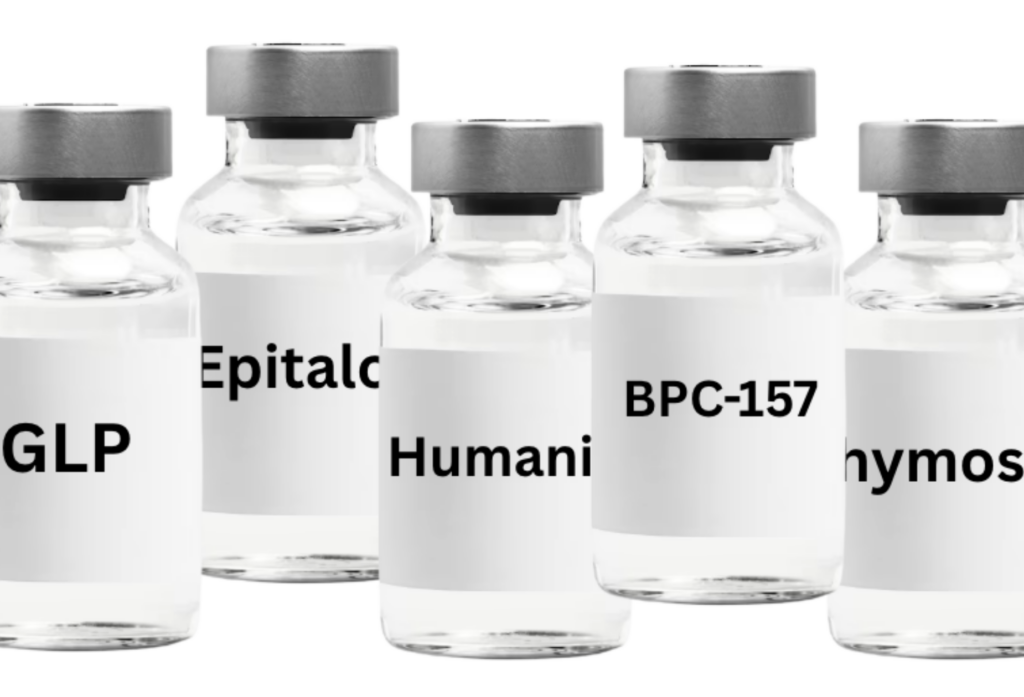
Why You Might Actually Need Peptides
Here’s what Dr. Yurth sees in her patients:
- BPC-157: Supports gut health, joint repair, and metabolic function. Oral supplements exist, but injections work better for tissue repair.
- Thymic peptides (like thymosin alpha-1): Key for immune function. As your thymus shrinks with age, your immune system slows down. These peptides help wake it back up.
- Growth hormone secretagogues (CJC, Tesamorelin): Encourage your pituitary to release GH naturally. Keeps muscles, bones, and skin healthier.
Other benefits? Some peptides help with inflammation, visceral fat, cognition, skin health, and even hair regrowth.
GLP-1 Agonists: Not Just for Weight Loss
Everyone’s talking about GLP-1 agonists—yes, the same drugs trending on TikTok and in gyms.
Here’s the truth: they’re not just weight loss drugs. GLP-1 receptors are all over your body: immune system, brain, liver. Proper dosing can improve immune function, glucose metabolism, and overall longevity…without making you lose your appetite or muscle.
But here’s the reality check… dosing matters. And if you have a history of eating disorders, this isn’t a casual supplement. You need a physician guiding your use.
Safety First: The Internet is the Wild West
Not all peptides are created equal. Most “research peptides” online are labeled ‘not for human use.’ Some even contain contaminants like arsenic, lead, or mercury.
The safest approach?
- Work with a board-certified physician who knows peptides inside and out. (Midi Health does is a legit prescriber of GLPs).
- Make sure your prescription comes from a certified compounding pharmacy.
- Ask about the source, sterility, and testing. If your bottle doesn’t have your name on it, it’s likely repackaged from a research chemical.
Dr. Yurth calls it: cheap shortcuts today = potential health disaster tomorrow.
Top Peptides for Women Over 40
If you’re over 40, perimenopausal or menopausal, here’s a short list that can be game changers:
- GLP-1 Agonists: Metabolic health, inflammation, longevity.
- BPC-157: Gut, joint, and muscle repair. Safe orally or injectable.
- Thymosin Alpha-1: Immune system support. Especially if autoimmune markers are creeping up.
- Growth Hormone Secretagogues (CJC, Tesamorelin): Support muscle, bones, skin, and repair.
- GHK-Copper: Collagen, skin integrity, hair growth. Topical or injectable cycles. (Here's my fav topical lotion with peptides).
Remember… you don’t need everything at once. Peptides can be cycled and tailored to your needs.
The Bottom Line
- Peptides are powerful, but they’re tools, not magic bullets.
- Skip the internet shortcuts. Work with a trusted physician.
- Start with what you’re losing with age. Focus on safety and effectiveness.
You haven’t done anything wrong… you’re just navigating a crazy, confusing world of longevity hype. Peptides can help—but only when done the right way.
Want to dive deeper into which peptides actually help midlife women? Check out the full conversation with Dr. Elizabeth Yurth on the latest episode of The Chalene Show.
Love you, mean it,
Chalene
P.S. I added a couple of my very favorite products as links above. If you use them I might earn a small commission (and you get a discount).