
How to Lose Belly Fat in 8 Weeks When You’re Over 40
If you’re over 40 and suddenly all your extra weight has moved to your waistline, you’re not imagining it.
I used to believe anyone with visible abs had a completely different genetic code than me; I figured midsection definition was just not in the cards. Even as a full-time fitness professional… I still couldn’t lose the fat on my stomach.
Then perimenopause hit.
If you’re a woman in your 40s, 50s or 60s and you’ve noticed your body has shifted…
You’re not alone, and you’re not “doing it wrong.”
In this post, I’m going to walk you through four proven strategies that can help you lose belly fat in under eight weeks…And I’ll give you two versions of the plan:
- The “I can handle that” version
- The “I am not messing around” version
Both can work. The key is choosing the one you’ll actually stick with.
Be sure to read below (and watch) because I have some great rec's and discounts for you. But if you're in a hurry and want my full curated list for all things “Midlife Fat Loss,” grab my download here. You'll be glad you did! There are explanations for everything I take, as well as some pretty good deals and codes to save you $.
Why Belly Fat Gets Worse After 40
Let’s start with this: it’s not in your head and it’s not a character flaw.
According to Harvard Health, estrogen declines in perimenopause and menopause, your body literally changes how and where it stores fat. Lower estrogen is linked to a shift toward more fat around the abdomen and internal organs (visceral fat).
At the same time:
- Visceral fat becomes your body’s “favorite” storage spot
- Cortisol (your main stress hormone) tends to run higher and stay elevated longer
- Changes in hormones can disrupt insulin sensitivity and thyroid function, which affect how easily you gain or lose fat (menopausesolutions.org).
So you’re dealing with:
- More fat being directed to your midsection
- Higher stress hormones telling your body to store that fat
- More hunger and cravings
- A slower metabolic burn from less muscle mass as you age (Mayo Clinic)
This is why the old tricks from your 20s and 30s (eat less, do more cardio, crush yourself with HIIT) stop working…and can actually backfire in midlife.
The solution isn’t to work out harder or eat almost nothing. It’s to work with your hormones instead of against them.

Strategy #1: Fix Your Midlife Diet Without Starving
No amount of ab exercises is going to fix a midlife belly if your nutrition is fighting you. Let’s break this down into the pieces that actually matter.
1. Create a Smart Calorie Deficit (Not a Starvation Plan)
To lose fat anywhere, including your stomach, you need a calorie deficit. But for women over 40, an aggressive deficit can backfire by stripping muscle instead of fat.
A better target:
- For most women: ~500–700 calories below maintenance per day
- If you’re very petite or already lean and just fine-tuning: somewhere closer to 250–300 calories below maintenance
If you slash your intake by 1,000+ calories overnight, you may lose weight quickly…but a lot of that will be muscle, which lowers your metabolism and makes belly fat harder to lose long term.
Bottom line: You need a deficit big enough to see progress, but small enough that your body doesn’t think it’s starving and start chewing through muscle.
If you don’t know your maintenance calories yet, step one is to track. Even one honest week of tracking gives you a starting point.
2. Prioritize Protein Like It’s Your Job
When hormones are shifting, muscle is metabolic gold.
To protect it, you have to eat enough protein:
- Aim for 25–35 grams of protein at every meal as a simple rule of thumb
- If you’re going all in and tracking, work up toward about 1.2–1.5 grams of protein per pound of your ideal body weight (not your current weight)
Protein helps you:
- Preserve and build muscle
- Stay full longer
- Keep blood sugar more stable
If you’ve already tried “eating more protein” and it felt awful (heavy, bloated, like the food just sits there), there’s another layer…
3. Support Protein Absorption With Digestive Enzymes
As we age, we make fewer digestive enzymes. That means even if you hit your protein goals, you might not be absorbing the amino acids you need.
This is where a good digestive enzyme before protein-rich meals can help you:
- Break down animal proteins more effectively
- Reduce that post-meal bloat
- Actually use the protein for muscle repair and growth
If you’re plant-based or mostly plant-based, a plant-focused enzyme formula can help you squeeze more out of your legumes, tofu, tempeh and protein powders.
4. Raise Your Fiber Intake to Support Belly Fat Loss
If you want to reduce belly fat, fiber is non-negotiable.
Fiber helps:
- Steady your blood sugar
- Reduce cravings and “food noise”
- Support healthy digestion and elimination
- Improve fullness and make a sustainable deficit easier
Most women are nowhere near where they need to be. Dietary guidelines suggest women should hit about 21–25 grams of fiber per day, with many midlife women falling short of that. Harvard Health.
You can get there with a mix of:
- Veggies and low-sugar fruits
- Beans and lentils (if tolerated)
- Ground flax, chia, psyllium, inulin, etc.
- A high-quality fiber supplement if your food isn’t quite enough (PMC)
Practical approach:
- “Handle-It” plan: Shoot for ~20–25 grams/day and add a fiber supplement once daily.
- “Not-Messing-Around” plan: Get to 25+ grams/day from food plus a supplement and split it 2x/day to help with appetite and blood sugar control. My go-to are these yummy gummies!
5. Use Intermittent Fasting as a Tool, Not a Punishment
I’m not a fan of rigid dieting or walking around starving.
According to PubMed, intermittent fasting can be a powerful tool for midlife women when it’s done gently:
- Notice what time you finish eating at night
- The next morning, delay your first meal by 30–60 minutes
- Keep nudging that first meal slightly later, only as your body allows, until you land on a natural eating window that feels good
This helps reduce mindless snacking, improves metabolic flexibility and lowers the total calories you consume without counting every bite.
You should feel more clear-headed and steady…not like you’re white-knuckling hunger all morning.

6. Cut Back on Added Sugars (and Probably Alcohol)
If you’re serious about losing belly fat, added sugars and alcohol are a big deal.
- “Not-Messing-Around” plan: Keep added sugars under 10 grams/day and cut alcohol for eight weeks.
- “Handle-It” plan: Aim for 25–30 grams/day of added sugar and reserve alcohol for rare, planned occasions.
This includes:
- Coffee drinks
- Sauces and dressings
- Protein bars
- Snacks at the office
- “Just a little” dessert that happens every night
You don’t have to be perfect. You do have to be honest.
Strategy #2: Train Like a Woman Over 40 (Not Like Your 20-Year-Old Self)
The workout style that got you lean at 28 may be the thing keeping you soft and inflamed at 48. Not only are we fighting belly fat, but we are trying to slow the aging process too!
1. Make Strength Training Your Baseline
For midlife belly fat, the research is clear: resistance training is one of the most effective ways to reduce abdominal and visceral fat in postmenopausal women and improve cardiometabolic health.
Your minimum standard:
- 3 days per week of full-body strength training if you’re in the “handle-it” camp
- 5 days per week if you’re in the “not-messing-around” camp
Key details:
- Choose ~6 total exercises per workout
- Perform 3–4 sets of each
- Pick a weight where your muscles are near failure around 10–15 reps (about 40–60 seconds of work)
- You should feel like, “I can barely finish that last rep”
If you’re breezing past a minute and still fine, your weight is too light. Time to move up.
For faster midsection changes:
- Include lower-body work at least 3 days/week. Big leg and glute muscles are metabolically expensive. They help your entire body burn more.
2. Make Zone 2 Cardio Your New Best Friend
For fat loss in hormone-shifting women, zone 2 cardio is your sweet spot. That’s the pace where you’re breathing a bit heavier but can still talk and go on for a while.
This intensity helps improve fat oxidation and mitochondrial health without the huge cortisol spikes.
Think:
- Brisk walking
- Elliptical
- Easy cycling
- Low-impact step or rowing
3. Use HIIT Strategically (If at All)
High-intensity interval training isn’t evil. It’s just not a daily lifestyle for stressed, perimenopausal women.
Use HIIT only if:
- You genuinely enjoy it
- It doesn’t leave you trashed, wired and exhausted for the rest of the day
- You’re recovering well
If the idea of HIIT makes your nervous system cringe, skip it. You’ll get better results just lifting and walking.
Strategy #3: Smart Supplementation for Midlife Belly Fat
For years I thought supplements were just a way to sell you expensive urine.
Then I did a full nutrient panel. My levels were a mess…even with a “perfect” diet. And once I added targeted supplementation and retested, the difference was obvious.
For midlife belly fat and metabolic health, there are a few heavy hitters. Watch this YouTube to learn more.
1. Magnesium
Magnesium is wildly underrated. Many women consume less than the recommended intake, and low magnesium is tied to higher risk of metabolic syndrome, inflammation and blood sugar issues.
Why it matters for belly fat:
- Helps regulate blood sugar and insulin
- Supports sleep
- Supports stress response and cortisol regulation
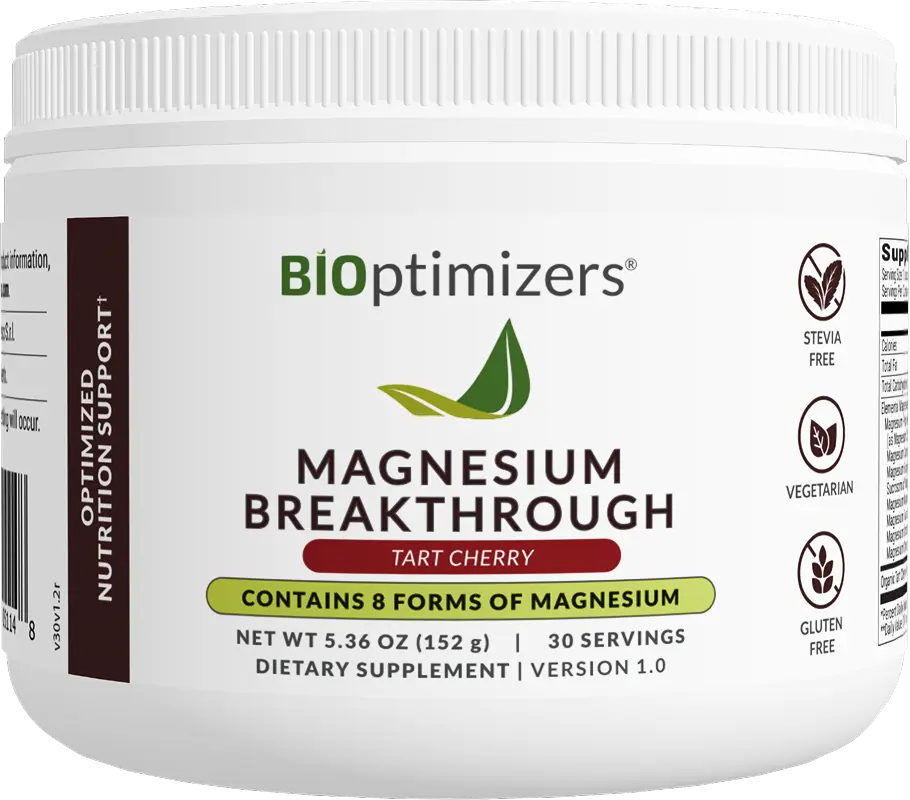
Many women do best with multiple forms of magnesium in one product instead of just citrate or oxide.
If capsules wreck your stomach, a powder you mix into water can be easier to tolerate. This is my go-to (legit the best you can buy!).
2. Digestive Enzymes
We already covered this, but it’s worth repeating: if you’re pushing protein and constantly bloated, a good digestive enzyme can be the difference between “this is miserable” and “this is doable.” This one has been an absolute game-changer for me! I no longer look 6 months pregnant at the end of the day.
3. Berberine
Berberine is often marketed as “nature’s Ozempic.” That’s…a stretch. But it does have evidence for:
- Improving blood sugar control
- Supporting insulin sensitivity
- Modestly supporting weight loss in some people UCLA Health.
Think of it as a supportive tool for blood sugar and metabolism, not a magic injection in capsule form. Here's what I use daily.
4. Creatine
Creatine is not just for young guys in tank tops.
Newer research highlights its benefits for muscle, brain health, and healthy aging, which is why many evidence-based brands have started running out of it. When you’re trying to preserve or build muscle in midlife, creatine is a no-brainer adjunct.
Look for:
- Creatine monohydrate from a reputable brand (I trust Dr. Amen's brand!)
- Third-party tested when possible
5. Other Key Nutrients
Depending on your labs, your clinician may recommend:
- Vitamin D3 + K2
- High-quality omega-3s
- B-complex vitamins
- Zinc and iron
- Selenium
These don’t directly “burn belly fat”…they help your metabolism, hormones, and energy systems work correctly, so your training and nutrition can actually do their job.
6. GLP-1 Medications and Hormone Therapy
A few important notes here:
- GLP-1 medications (like semaglutide, tirzepatide, retatrutide, etc.) are hormones or hormone-mimicking drugs, not willpower in a pen.
- For some women with significant metabolic dysfunction or genetic appetite differences, micro-dosing under a clinician’s care can be a reasonable way to reduce inflammation, lower food noise and create a deficit without chronically starving.
- They’re not “cheating”…but they’re also not a free pass. You still have to protect your muscle, eat protein and lift weights.
Hormone replacement therapy (HRT) can also help ease symptoms and improve quality of life, but it’s not a standalone fat-loss solution. It creates a more level playing field so your other efforts actually work.
Always, always involve a qualified clinician before jumping into meds or HRT.
Oh- and I did a full YouTube on GLP alternatives. Watch it here.
Strategy #4: Shift From Fat-Storing to Fat-Shredding Lifestyle
You can lift, you can eat well…and still accidentally live a fat-storing lifestyle.
Signs you’re in fat-storing mode… you:
- Sit most of the day
- Crush one workout, then barely move after
- Feel chronically sleep-deprived
- Drink alcohol most nights
- Rarely get outside and into daylight
A fat-shredding lifestyle looks very different because you:
- Move all day…not just during your workout
- Prioritize sleep as seriously as your workouts
- Cut way back on alcohol, especially during focused fat-loss phases
- Get outside daily for light and fresh air
- Hang around people who are also trying to age powerfully, not just passively get older
That daily, low-level movement (often called NEAT: non-exercise activity thermogenesis) can burn more calories across the day than your formal workout.
Two 8-Week Paths: “Handle-It” vs “Not-Messing-Around”
Let’s put this together. Both options use the same principles. One is gentler. One is aggressive.
Option 1: “I Can Handle That” 8-Week Reset
- Create a 250–400 calorie deficit below maintenance
- Hit 25–30 grams of protein at each meal
- Add a digestive enzyme with protein-heavy meals if needed
- Aim for 20–25 grams of fiber per day + one fiber supplement serving
- Delay breakfast by 30–60 minutes compared to your norm
- Limit added sugar to 25–30 grams/day
- Alcohol: cut it back, reserve it for 1–2 times per week max
- Strength train 3 days/week
- Add zone 2 cardio 2–3 times per week
- Walk and stand more throughout the day (track steps if that helps)
- Begin a core supplement stack: magnesium + omega-3 + vitamin D3/K2
Option 2: “I Am Not Messing Around” 8-Week Push
- Create a 500–700 calorie deficit (or closer to 300 if you’re very petite or already lean)
- Aim for 1.2–1.5 g protein per pound of ideal body weight
- Use digestive enzymes consistently
- Hit 25+ grams of fiber per day from food + split fiber supp 2x/day
- Move into a natural time-restricted eating window (e.g., 16:8) without white-knuckling hunger
- Cap added sugar at <10 grams/day
- Cut alcohol entirely for eight weeks
- Strength train 5 days/week, with 3 lower-body-focused days
- Zone 2 cardio most days, HIIT only if your body loves it (and at most 1–2x/week)
- Dial in your supplement stack with your clinician (magnesium, creatine, berberine if appropriate, D3/K2, omega-3, etc.)
- Work with a provider on HRT and/or GLP-1s only if indicated by your labs and symptoms
Neither of these is about being perfect. They’re about stacking enough right moves, consistently, for eight weeks that your body doesn’t have a choice but to change.
Your Next Steps
If this resonated with you and you want to go deeper into the real behind-the-scenes stuff…
This is exactly what I talk about more candidly and more personally inside my private Patreon podcast, where I share stories, experiments, and things that aren’t always appropriate for the main show.
Here's a link to my Patreon with a 7-day free trial!
In the meantime, your homework:
- Track what you actually eat for one honest week
- Choose your path: “Handle-It” or “Not-Messing-Around”
- Commit to these four levers for eight weeks:
Smart deficit
- High protein + fiber
- Strength training + zone 2
- Better sleep, less alcohol, more daily movement
You’re not broken. Your body is changing. When you work with it instead of punishing it, belly fat becomes something you can absolutely change…even in midlife.
XO,
Chalene
P.S. A few links are affiliate links, which means if you use them, I get a small kickback.