The F-Factor Diet Feud | The Shocking End

"It’s low-life activity to pile on. We as women, we have to stop doing this."
- Chalene Johnson
episode
Description

F Factor Diet founder Tanya Zuckerbrot faced more than 4,500 Instagram posts in 75 days, but how did a fiber powder become the center of an influencer war? Chalene Johnson revisits the controversy involving Emily Gellis, anonymous health claims, and a weight loss brand Chalene once bought on eBay.

From the appeal of fiber and protein to The New York Times reporting and years of defamation litigation, Chalene follows the F Factor story beyond the screenshots. The Instagram battle raises a sticky question about influencer accountability: when does sharing someone’s story become spreading something nobody has verified?

Topics discussed: F Factor Diet, Tanya Zuckerbrot, Emily Gellis, diet culture, online harassment, Fed Up, Wondery, Hulu.

with
episode
Questions

What do you feel was Emily’s motive for what she did?


Should a pinned apology count as real accountability?


Did you read the book or use any of the F-Factor products?


episode
Timestamps
00:00:00

Tanya Zuckerbrot, F-Factor diet, and the fiber pitch

[00:00:00] Clip: Want to drop a few pounds without dropping your favorite foods? I know I do. Yes. Yeah. Registered dietician and creator of the F-Factor Diet, Tanya Zuckerbrot, is here to show you how. Tanya, welcome back. Good to see you. So you say the secret weight loss weapon is only one ingredient. So what is it? The secret ingredient to permanent weight loss is fiber Fiber.

[00:00:29] Clip: You heard it here. And we’re simply not getting enough of it. Fiber is the cornerstone of the F-Factor diet, where on average people lose 10 to 15 pounds in the first month alone by what they’re adding in rather than what they’re cutting out. So by adding in more fiber, you can lose weight without hunger.

[00:00:44] Chalene Johnson : That was an appearance by Tanya Zuckerbrot. She’s a registered dietician and the founder of a diet called F-Factor. Now, you might recall, if you’ve been listening for a long time, I talked about the F-Factor diet I think back in maybe 2020, might have even been 2021, when I discovered their protein powder and their fiber powder, and it was delicious.

[00:01:06] Chalene Johnson : It was amazing. But the more I looked into it, the more I realized there was all this controversy around it. And the few times that I did mention it on my show, I also said, “Don’t get me involved,” but apparently there’s all kinds of drama around this brand. Its founder had plenty of haters online. I didn’t really care.

[00:01:27] Chalene Johnson : I loved the fiber. I thought it was amazing tasting, and the consistency, I just really thought it was fantastic. But then suddenly I couldn’t find it anymore. It was gone. It was nowhere to be found. I ended up buying it off of eBay at an astronomical price before realizing like, “Okay, this is stupid. I can get fiber some other way.”

[00:01:49] Chalene Johnson : Tanya Zuckerbrot is a very successful female business owner, and at the time she had built quite an empire. It was also about the same time that I was building the 131 Diet. So I was tuned in not only to the fiber that she was creating. At that time we were kind of playing with the idea of maybe creating our own supplement lines.

[00:02:11] Chalene Johnson : Thank God we never did. But anyways, I was paying attention. I was paying close attention to what she was doing because I loved how simplistic her message was, and I noticed how that was really resonating with the market, even though in my own estimation, a very simplistic answer to weight loss just doesn’t make sense.

[00:02:30] Chalene Johnson : Is fiber one piece of it? Absolutely. But is it everything? No. Nonetheless, without question, one of the reasons why Tanya’s business did so well is because of that simplicity. But with that success, and as with most women who are successful, there’s a strong force of female haters online ready to take you down.


00:02:57

Emily Gellis’s Instagram takedown of F-Factor

[00:02:57] Chalene Johnson : One of Tanya’s biggest haters’ name was Emily Gellis Here’s a video that Emily made shortly after this appearance from Tanya.

[00:03:07] Clip: Your registered dietitian self told people to eat that made them sick, and then they came and told me, and then I came and told the internet. And if you don’t like it, I don’t care anymore.

[00:03:17] Clip: But I am sick and tired of hearing you talk about it on the internet every single day. But if you think that that is the only way, then I don’t know, Lord, help us all. Because when you wake up in the morning, it’s not normal to be like, “I am a registered dietitian, and I went to New York University.” We know.

[00:03:37] Clip: People hate you. I’ve actually never seen people hate someone so much as they hate you. People hate you. Even if you think they like you, probably they hate you. You don’t have friends. Name one friend you have. Seriously, I will wait. Send me a DM. Tell your friend to DM me.

[00:03:56] Chalene Johnson : Wow. Ruthless, right? What would make someone so angry, so bitter, so passionate about bringing another woman down?

[00:04:07] Chalene Johnson : Some saw Emily as a brave, outspoken critic. Others called her a hater. Buckle up, buttercup, because we’re gonna go on a wild ride. It’s the story of one very successful woman whose business was virtually destroyed. Even if you know a little bit about this story, you might not know how things have turned out, and today, I’m breaking it all down for you.

[00:04:33] Chalene Johnson : Let’s get into it. Imagine you’re on Instagram and someone sends you a message, a message about a product that you’ve taken, and the product that you’re taking is… Well, let’s just say it’s a protein powder or a fiber powder, and you purchased it from another influencer that you follow online. Now, you don’t know the woman who DM’d you, and you really don’t know the person or the influencer personally who you purchased the protein powder from.

[00:05:06] Chalene Johnson : But the message says that the influencer who’s selling this powder is hurting people. She’s selling something very dangerous, and nobody’s doing anything about it, and she’s getting rich from it. Now, the person who’s sending you this message says, “Please do not use my name, okay? I can’t be taken down.” And now you have a decision to make because you’ve got a platform, and if it’s true, of course, you want people to know, like, especially if this product is being targeted at women.

[00:05:39] Chalene Johnson : Women are putting it in their bodies, and you’re thinking about your platform and what it is you stand for. You’re thinking about your friends. You’re thinking about you yourself had been damaged by this product. What if your friends were buying this and something were to happen to them and you hadn’t said anything?

[00:05:59] Chalene Johnson : Would you share that information? Would you investigate further? Well, what if another message came in, and then another one, and another one, and another one, and pretty soon you’re no longer thinking about sharing a concern. People are coming to you because they believe that you’re the person who’s finally gonna do something about this, like, you’ve got the platform, and so now you have to do…

[00:06:22] Chalene Johnson : You decide you have to do something about this. You’ve got a role to play. But what happens if somewhere along the way, protecting that role that you think you are supposed to uphold becomes so important that fact-checking and the truth no longer matter? That’s the question that we’re gonna follow throughout this entire story.

[00:06:47] Chalene Johnson : Today we’re talking about the F Factor Diet. It’s a diet. It’s a diet company. It was once a very successful diet company started by Tanya Zuckerbrot. She was a New York registered dietician. Also, a fashion influencer is involved in this story. Her name is Emily Gellis. I guess you’d call her a fashion influencer.


00:07:06

Online takedown culture and Rachel Hollis

[00:07:06] Chalene Johnson : That’s how she’s been described in the media. She was someone with a reasonably sized Instagram following at the time. Emily becomes the public face of the campaign against Tanya Zuckerbrot. Now, if you remember this from Instagram at the time, it was an ongoing battle. It was around that time I did a couple of episodes about how disgusted I was with this kind of take down culture where one group of women would set their sights on another group of women.

[00:07:40] Chalene Johnson : It’s often, to be honest, it was often, like, a very successful woman who suddenly had this large ground swelling of anonymous Reddit users who create a whole thread to take down one particular person or a particular industry. One of the probably most famous victims of this was Rachel Hollis. The hate and the anger and the jealousy and some people would, would call it accountability that people tried to hold Rachel Hollis and then At the time, her husband, Dave Hollis.

[00:08:20] Chalene Johnson : I mean, the hate that these two people experienced online was just gross. Whether you like someone, believe in what they do, think that they’re phony, think that they’re authentic, I just cannot imagine wasting your life or building a whole platform around taking down another human. What is wrong with you?

[00:08:45] Chalene Johnson : Like, how good could you feel about yourself? Like, what could you possibly have going on in your life? Nothing, if that’s your whole goal. If that’s the only thing that you’ve got going for you is taking down another person, what a miserable life. It can’t feel good. And then what do you attract? You attract other people that love that kind of stuff, and what does that say about that kind of follower?

[00:09:11] Chalene Johnson : But that had become the trend. Tanya was a victim of this. Like many other women in 2020, 2021, 2022, this became the most popular type of content. If you were successful in a network marketing organization, you can bet your bottom dollar there were hundreds of people making countless posts, and probably hiring bots, and just discussing and picking apart every single post that you made.

[00:09:40] Chalene Johnson : It didn’t matter what industry you were in. You could be someone who taught other women marketing. You could be an online marketer. You could be someone who was the host of their own podcast or a true crime YouTuber. If you’re successful and a woman, this is so gross, but I guarantee there’s a huge population of anonymous people online Creating take down content, picking apart and digesting and dissecting every move that you make.

[00:10:12] Chalene Johnson : Now, some might believe, well, that’s how we hold people accountable. It’s not fair that these, quote, “grifters” get away with making money and becoming successful and building businesses off of the backs of other women. That’s the argument. This is still going on today. There are still huge communities of online, primarily anonymous users, who their sole focus is destroying other successful women, whether they are doctors or lawyers or influencers.

[00:10:49] Chalene Johnson : If it’s a successful woman, I guarantee there’s a large group of women who’ve decided if they’re making money, they must be scammers, and that’s what Emily decided was going on with Tanya. Emily decided that she was going to expose Tanya for basically poisoning other women, making them sick, and becoming wealthy in the process.

[00:11:14] Chalene Johnson : The reason why this story is one that’s so well-known or got so much coverage is because Tanya didn’t back down. More often than not when this happens, the more successful woman decides to ignore it. It’s not comfortable. I have friends who have spent hundreds of thousands of dollars, no joke, going after these, quote, “anonymous” online posters.

[00:11:39] Chalene Johnson : There are ways that you can, especially today, it’s much easier to uncover people who are making anonymous posts. You can hire, I wanna say private investigators, they’re basically hackers, that can disclose for you the identities of anyone you want. But most people, myself included, what do I care? And most people who are successful and busy, they have other things to deal with than to worry about people who are so miserable in their life that they’re just trying to create negative content.

[00:12:09] Chalene Johnson : But Tanya was like, “This is hurting my business, and these are lies, and I’m helping women, and I’m not gonna stand for this.” It turned into like an all-out battle, so much so that there was a well-known Wondery podcast dedicated to this battle. You can listen to it still. It’s on Wondery. I forget what the name of it was.

[00:12:33] Chalene Johnson : They even did a Hulu episode about influencers dedicated to this battle. The battle between these two women got so much coverage, it’s actually been featured in The New York Times on multiple occasions. And if you’re thinking, “Chalene, oh my God, how could there be this much drama around a fiber powder?”

[00:12:53] Chalene Johnson : Stay with me. I think we should cover this all the way back in order because if you jump straight to how this story ends, it’s very easy to convince yourself, “Oh, I would’ve known this all along.” Maybe you would’ve, maybe not. But let’s put you back where everybody else was when the posts were new, and it was interesting.

[00:13:16] Chalene Johnson : Like again, I was taking this fiber powder, and I’m seeing these messages coming back and forth, and I’m seeing Emily post these DMs, and I’m thinking to myself, “Should I be taking this fiber powder? Should I look into this myself?” Which of course I did. But you wanna keep one thing in mind. You don’t have to love Tanya’s personality or her style or the way that she talks or her lifestyle or her business to care whether something being said about her is true or not.

[00:13:52] Chalene Johnson : I think a lot of times we decide whether something is true, unfortunately, based on whether we like that person or not. Case in point is the Lindsey Clancy case and how people have decided they do not like Patrick Clancy. And then we’ve decided what is true and what is false based on the things, based on the allegations creators are making online.

[00:14:21] Chalene Johnson : But how well do those allegations hold up? When we’re comparing allegations that the Internet’s making against the truth.

[00:14:31] Clip: Ladies, the more research I do on collagen, the more I realize it just needs to be a must. We’ve gotta supplement with collagen,

[00:14:39] Chalene Johnson : well, especially if you care about the texture and the tone of your skin, the way your hair grows, your nails, and all of these things become, like, an issue once we’re over 40, and it just feels like it goes downhill from there, which is why it is so important that you supplement with collagen.

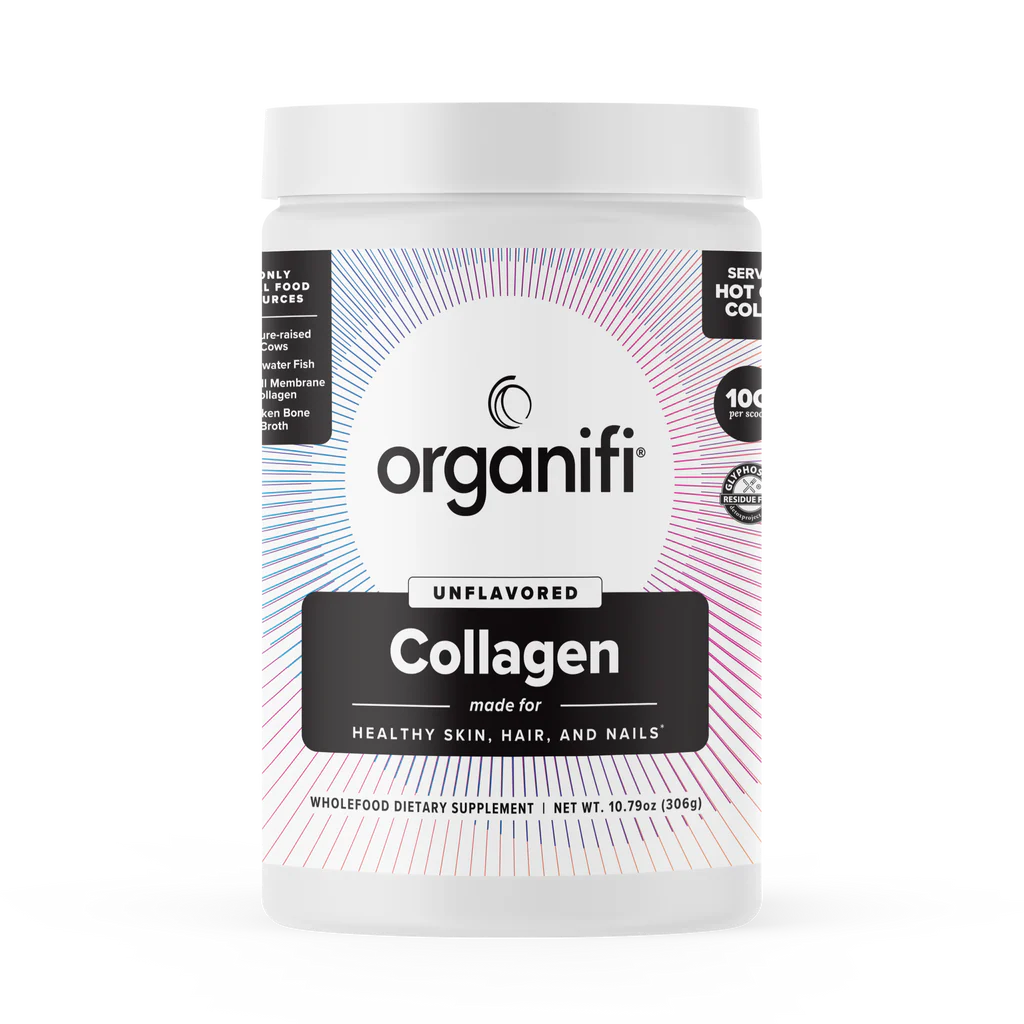
[00:14:54] Chalene Johnson : It’s what the body uses for your joints, your muscles, your organs. It’s how you can support your gut health, your metabolism, your cardiovascular health, your immune system, and so much more. I have been getting mine from Organifi. Obviously, you know I love Organifi. And as a listener of The Chalene Show, you get 20% off when you go to Organifi, O-R-G-A-N-I-F-I, .com/chalene.

[00:15:18] Chalene Johnson : Use code Chalene. That’s gives you another 20% off at checkout. That is O-R-G-A-N-I-F-I .com/chalene. Use code Chalene for 20% off. Listen, get yourself some collagen. Make that a regular thing. I just mix in my water bottle every single morning and a few other supplements as well, and we love that Organifi is 100% certified

[00:15:39] Clip: organic.

[00:15:39] Clip: It’s a great company with great products. Check ’em out. Again, organifi.com/chalene.


00:15:45

F-Factor’s rise and $25,000 diet counseling

[00:15:45] Chalene Johnson : Okay, so before any of this becomes a fight, Tanya had built a career as a registered dietician. Her diet was called the F Factor Diet. She’d written a diet book that came out in 2006, and the F in it obviously stands for fiber.

[00:16:00] Chalene Johnson : By 2018, her business had basically exploded. So many New York socialites had attributed their incredible physiques and their weight loss to Tanya, and the appeal was so easy to understand. Like, it was so basic. Like, the marketing basically just says, “Hey, you can have a social life. You don’t have to go on a diet.

[00:16:18] Chalene Johnson : You don’t have to count carbs. You don’t have to worry about all these things. You just need to make sure you’re getting enough fiber in your diet.” Fiber and protein, that was basically the premise of her book. It was the premise of her diet. You’ve got to get enough fiber. That’s the pitch. I’m describing why it sounds so appealing.

[00:16:35] Chalene Johnson : I’m not giving you a prescription or anything. I’m not telling you that any of this works. I’m just saying, like, you heard her on, you know, the Morning Show. That was the cornerstone of the simplicity of weight loss for Tanya. Then they see this woman who’s got this incredibly polished New York lifestyle.

[00:16:52] Chalene Johnson : She’s offering very expensive consultations to the most elite people in New York, and later, in some of the reporting in The New York Times, they said some of her counseling packages cost as much as… Are you ready for this? Are you ready for this? $25,000. Hey If someone’s willing and has the money to spend $25,000 for diet counseling, be my guest.

[00:17:20] Chalene Johnson : I mean, yeah, that number is crazy, and that’s the kind of number that makes other people online go, “Wait a second. What kind of is this? What kind of grift is going on here?” But we haven’t even talked about the products yet. But without a doubt, there were women online who did not like seeing this very thin, very wealthy, very Upper East Side-type New Yorker with the perfect children and the perfect business, and making a ton of money telling other women how to lose weight.

[00:17:56] Chalene Johnson : And that’s where this story, I think, gets a little more complex than what it looks like at face value. Because there’s weight loss, then there’s the trauma and the anger that so many of us basically feel because we’ve been told what we have to do to lose weight, and what our lives are finally gonna be like when we have the body of our dreams.

[00:18:24] Chalene Johnson : And you’re gonna have the body of your dream if you just follow this simple diet, if you just do this one workout. And if you don’t, well, then you’ve done something wrong. And everyone who’s listening to this right now has their own history with that promise. And your history with that promise makes you feel a certain kind of way when you realize, oh, here’s another company, here’s another person, here’s another claim that’s trying to simplify something that just isn’t that simple.

[00:19:00] Chalene Johnson : So when there’s one person online who’s anti-diet, anti-diet culture, who’s body positivity, who’s attacking another individual who kind of represents the enemy… I mean, let’s face it, the enemy around 2022 started to become diet culture. We started looking at these ridiculous exercise programs and these ridiculous diets that so many of us were on, and just deciding, like, we’re done.


00:19:37

Cipriani meeting, GG crackers, and the first DMs

[00:19:37] Chalene Johnson : We’re not falling for this anymore. And what easier target than to pick somebody who’s the face of one of those diets? Both of these women at the time live in New York City. Emily was out at Cipriani’s in New York City celebrating her birthday. Tania was at Cipriani’s with her friends. She overheard Emily, and heard maybe the term influencer, and Tania asked who she was and, and asked her name.

[00:20:10] Chalene Johnson : Tania suggested, “Hey, maybe we should make an, an Instagram story together.” Emily filmed Tonya and her girlfriends all together eating pasta, and she introduced them on her Instagram stories as Tonya and said that she was the creator of The F Factor. And I don’t know exactly, I haven’t seen the post, but it’s been described that Emily said, “Look at this beautiful woman.

[00:20:37] Chalene Johnson : Look at these people enjoying foods you would normally think were prohibited on a diet.” Both women have later gone on to describe their first meeting very differently. The story has changed there But Emily later went on to apparently, you know, shortly thereafter decided she was going to try the F-Factor diet.

[00:20:59] Chalene Johnson : Now, she hadn’t taken any of her protein powder as far as I can tell, but she did order the Gigi crackers. Now, the Gigi crackers were really kind of put on the map by the F-Factor diet. It’s where I heard about Gigi crackers, and they’re the equivalent of, like, doing a Wasa cracker. By the way, side note, if you do need to get more fiber in your diet, which most women do, these are an alternative.

[00:21:24] Chalene Johnson : The Wasa crackers, I don’t even know why we call them crackers. They taste like cardboard. I’m not gonna play. They taste like cardboard. But if you put something delicious on top of them, at least they’re crunchy. You know what I mean? But they don’t have any taste, so it’s… Whatever you put on top of them has to be pretty fantastic.

[00:21:41] Chalene Johnson : I digress, but here’s what I do. I get the Wasa cracker, and then I put cottage cheese, honey, some cinnamon, some sliced apples. Delish. But the Wasa cracker isn’t delish. Wasa cracker or the Gigi cracker is a high amount of volume or, sorry, a high level of fiber. So Emily starts eating these Gigi crackers, and I think she wrote…

[00:22:04] Chalene Johnson : I don’t remember whether she did an Instagram post about it or if she wrote a blog about it. She eats those crackers, goes to bed, and in the middle of the night she wakes up to excruciating abdominal pain. She thinks she’s gonna be giving birth to an alien. I know you know the feeling. It’s knives in her gut, almost going to the ER, and she writes about the experience.

[00:22:33] Chalene Johnson : That’s when the DMs start flooding her, women telling her that they had these horrific experience with the F-Factor’s branded powders. Emily’s got a decent sized following at this time, but once she starts talking about these messages that she starts getting, her following starts growing pretty quickly.

[00:22:59] Chalene Johnson : Now, originally, Emily was apparently known as a fashion influencer, but as she starts sharing these claims, it’s like gossip and women are just flocking to her account. And I have to admit, I started following along and reading these messages too, thinking, like “Is this real? I guess I better stop taking this stuff.”

[00:23:23] Chalene Johnson : Well, I didn’t have to decide to stop taking her fiber powder because shortly after Emily started posting these stories, you couldn’t get the powder anymore. It was gone. It was off the market. And in the summer of 2020, she begins, like, actively sharing every single message she’s getting about this diet and the side effects, and things start really escalating.

[00:23:48] Chalene Johnson : I remember thinking to myself, like, “Holy cow, this stuff, this is bad.” Now, if you’re a Beachbody customer, you might remember it was around this time that people started talking about finding trace amounts of arsenic or trace amounts of lead in lots of different protein powders, and then there were all these rumors about the different brands that had labels on them, especially if they were in California, about the ingredients.

[00:24:16] Chalene Johnson : Emily starts sharing all these complaints and sharing all of these direct messages that she’s getting from women who were victims of the F Factor diet. They’re talking about having insane rashes and stomach problems, and these crazy accusations start circulating, and they start becoming much more serious.

[00:24:41] Chalene Johnson : Emily shares claims that one woman experienced a miscarriage after consuming the fiber powder, and another story where she says a woman died. The allegations are really serious and very much pointing to the ingredients contained in Tanya’s powders. And Tanya’s not taking this laying down. She’s defending herself.

[00:25:07] Chalene Johnson : She’s specifically referring to Emily. She’s talking about how ridiculous these claims are and how unbelievably unhinged it is for this woman to be making up these lies. Tanya is actively defending herself. She’s not letting this slide. So between the two of them, they’re going back and forth and back and forth and back and forth on Instagram Stories.

[00:25:31] Chalene Johnson : Like, you’re watching women fight. It’s gossip, it’s reality TV, and it’s on Instagram, and the allegations are horrific, and people are sending more and more screenshots to Emily. And Emily, as soon as she’s getting the screenshots, she’s sharing them, so it’s just complaint after complaint after complaint.

[00:25:54] Chalene Johnson : Then you might think to yourself, “Well, gosh, Tanya certainly had to have been suggesting that she was going to file a defamation lawsuit against her.” And yeah, those threats were in there very early. But Emily was defending herself, saying, “Listen, I’m sharing other people’s truths. I’m just amplifying these stories with my platform.”

[00:26:15] Chalene Johnson : But was she? Here’s some of the things Emily was saying about Tanya herself

[00:26:23] Clip: You hurt people. She had people in the hospital physically sick. I mean, she still remains the worst of the worst as far as all these stories go. People losing their colons, people having hives all over their body, distended stomachs, like somebody even died, a heart attack at 45 years old.

[00:26:43] Clip: You tell me that this person should be walking the street?

[00:26:46] Chalene Johnson : Now imagine that you’re following Emily when this is all going down, and you’re seeing story after story after story, not just Emily talking directly to camera, but her sharing screenshots of direct messages from people who are claiming firsthand that these things happened to them.

[00:27:08] Chalene Johnson : And she’s reposting these stories day after day after day. So it, it kind of started to feel like if you weren’t paying attention, these were all brand-new stories. But how many of them were being repeated? I don’t know. But when you’re watching these stories and you’re seeing so many of them, eventually you start to feel like there’s just so much of it, it has to be true.

[00:27:33] Chalene Johnson : Like, where there’s smoke, there’s fire, right? Isn’t that what we’ve been taught? Isn’t that what we’ve been conditioned to believe? That if enough people are repeating the same thing over and over and over again, then isn’t it proof? And how many times have we seen this in recent days, like in recent cases and things that we’re hearing online?

[00:27:56] Chalene Johnson : I mean, there’s so many controversies that I don’t talk about on this show because when it first comes out, there’s one side to the story, and then content creators start, in some cases, creating and crafting their own narratives, their own stories, inventing facts, and then that gets reported on, and then people take sides, and then people are like, “How can you not believe so-and-so when this happened and this happened and this happened?”

00:28:24

4,500 posts in 75 days and the defamation lawsuit

[00:28:24] Chalene Johnson : But who’s checking the facts? We’ve decided that things are facts based on how many posts we’re seeing about something Well, Tonya was not having this. Tonya filed a complaint describing more than 4,500 posts in a matter of 75 days. I’m not making up that number. That is literally the independently audited number.

[00:28:51] Chalene Johnson : That should tell you the scale of the content that they were asking the court to address. I mean, do the math. That’s about 60 posts per day. Can you imagine having 60 posts per day directly aimed at you and your business as a takedown? And here’s another problem. Most of the messages were anonymous. And of course, Emily was like, “I’m trying to protect these people.

[00:29:19] Chalene Johnson : These are people who told me that they don’t want their medical history known. They don’t want their identities revealed.” And so to be honest, the public doesn’t care. We’re hungry for the rumors. We’re hungry, and we don’t ask for the source. We’re just consumers of the information. The people who are sharing these stories aren’t real journalists.


00:29:41

New York Times investigation and the miscarriage hoax

[00:29:41] Chalene Johnson : They haven’t been trained in fact-checking. They haven’t been schooled in the importance of sharing sources or verifying sources before sharing this information. But that’s when things started to change, when reporters, true journalists, started getting involved. The New York Times started running a piece on this giant controversy.

[00:30:05] Chalene Johnson : They started running it in August of 2020. It was called The Great Diet Crash, and it was done by a reporter by the name of Catherine Rossman and Abby Ellen. This is the major early Times feature in the controversy. You can read it online. And the reporting basically exposed a hoax. One of the stories that Emily reported on was actually found by the reporters to not be true.

[00:30:36] Chalene Johnson : It was fabricated. Which story? The story of the miscarriage. A woman named Alison Brentenschneider acknowledged that she had planted the story. And then there was the connection- Alison Bretenschneider’s cousin, Amanda Karp, was an F Factors head dietician. Now, that connection alone doesn’t establish that Tanya herself had directed the hoax, but let that sink in for a second.

[00:31:11] Chalene Johnson : A false accusation against the company was planted by someone who said they were connected to its founder. Huh? You almost need to, like, scratch your head for a second. The only thing I can attribute this to is something my husband constantly reminds me, and that is, and I, I think he’s pretty valid in his point, women, even very close to you, are sometimes very jealous of you.

[00:31:45] Chalene Johnson : And this is exactly why today it is dangerous and premature to decide and to declare where you stand on something just because you’ve heard a story reported a certain way in social media before we’ve had a chance to do some real fact-checking. And remember that fact-checking isn’t just consuming more content Someone can believe that they’re defending the right person and be profoundly wrong.

[00:32:21] Chalene Johnson : And the discovery doesn’t give us permission to say that, like, the discovery of this hoax doesn’t even tell us what was really happening. But as a viewer who was following along, I remember finding out that one of the most horrific stories was completely made up. It made me certainly wonder how many of these other stories were made up, not to mention how completely angry and personal this attack felt by Emily.

[00:32:52] Chalene Johnson : Now granted, Tanya wasn’t saying the nicest things about Emily either, but Emily’s attacks were personal. They had a mean girl energy to them. Take a listen. Tell me what you think.

[00:33:05] Clip: Let me remind you, you washed up, shriveled raisin. Yeah, , people from the school and from every other place that you’ve ever touched in your life have contacted me because people hate you, people.

[00:33:22] Clip: And now I’m gonna come for you with every dollar that I have, and we’re gonna finish this off, but people hate you. I’ve actually never seen people hate someone so much as they hate you.


00:33:33

F-Factor revenue collapse, anti-SLAPP, Fed Up podcast

[00:33:33] Chalene Johnson : Meanwhile, Tanya’s business begins really taking a hit. The company says that the damage became enormous. In their lawsuit, F Factor alleged that their monthly revenue fell from over a million dollars a month to about 90,000 and kept declining.

[00:33:53] Chalene Johnson : She was having to lay off employees. It was affecting her mental health, her physical health, and it had created a relationship nightmare for the company and their customers. So in October of 2020, Tanya and her company take the dispute into court. Emily, meanwhile, is maintaining that she is just speaking on behalf of women.

[00:34:15] Chalene Johnson : She’s saying that she’s just sharing what women are sharing with her, and that everything she’s been saying online has been her opinion. She files an anti-SLAPP lawsuit against Tanya. An anti-SLAPP lawsuit is like a counterclaim, which basically if someone sues you for defamation and they’re suing you for defamation just to shut you up, which sometimes people do, that’s considered anti-SLAPP.

[00:34:40] Chalene Johnson : So Emily’s saying, “Okay, Tanya’s just filing this defamation lawsuit against me to shut me up.” Well, Emily’s anti-SLAPP counterclaim gets dismissed. But this story isn’t going away. In fact, it has left Instagram, and it’s now in the realm of the podcasting world. Wondery does their own series on the story, and then in 2021, Emily reports on a podcast interview that she was doing that she was being approached, I don’t know if this has ever been confirmed, but she was being a- approached for movie deals, and that there were even conversations about Jennifer Lawrence playing Emily and Julia Roberts playing Tanya.

[00:35:21] Chalene Johnson : Now, I don’t know if that casting conversation ever was real or if there was ever a signed television deal, but eventually it did make a Hulu documentary about the series By the way, if you wanna listen to that podcast series, it’s called Fed Up, and it’s part of the Wondery series.

[00:35:39] Chalene Johnson : I wanna take a moment to talk about not something that you apply to your skin, but a

[00:35:44] Chalene Johnson : device that you can use on your skin, on your hair, on your scalp, that actually has science behind it.

[00:35:52] Chalene Johnson : I’ve done quite a few episodes with skincare experts, dermatologists, plastic surgeons, you name it, and I had a very well-known doctor on the show who I love her because she’s super skeptical. She doesn’t endorse products unless it’s got true science behind it. So after the interview, I asked her about some of the red light devices, and as you know, if you listen to that episode, they are legitimate, but it really does depend on the brand and the company and the device that you’re looking at.

[00:36:22] Chalene Johnson : You’ve gotta make sure that it’s got the right technology to do what it promises. And when you’ve got a device that actually meets those requirements, you’re going to see a big difference in both your skin and/or hair regrowth. So what I’m talking about is the iRestore Elite. This is a hair helmet. Okay, I know what you’re thinking.

[00:36:45] Chalene Johnson : I thought the same thing, but at the end of the day, I don’t care if I’m wearing a helmet a couple of times a week while I’m putting on my makeup, because it’s helping to regrow my hair. Now they have a couple of different versions, different price points. The one that I use, ’cause I know you’re gonna ask, is the iRestore Elite.

[00:37:03] Chalene Johnson : Pro tip: when I first bought it, I heard people saying, “Oh, you just pop it on while you’re watching TV.” I never did that. So it just sat there in the box most of the time. Then I moved it next to the place where I put on my makeup every morning and attached it to that daily habit. Game changer. Now I use it consistently at least three times a week.

[00:37:24] Chalene Johnson : You only have to wear it for, like, 10 or 15 minutes, and I’m seeing regrowth in my hair. Go in- to their website and look at the before and after photos of people’s scalps. You’ll be like, “Okay, convinced.” And then if that’s not convincing enough, look at Peer-reviewed academic research. Go to Perplexity. Use an AI app to look at the latest research on red light therapy for hair regrowth.

[00:37:47] Chalene Johnson : It’s legit. It’s also legit for the thickening of your skin, your dermis, and they have red light masks that just concentrate around the eyes or the whole face, and you guys, they actually work. So right now, iRestore is having a nice little special, so if you’ve been waiting to upgrade your own hair routine or your skin routine, this is, like, their biggest savings yet.

[00:38:11] Chalene Johnson : This is, like, their biggest sale. It’s why I’m telling you about it today. Just go to irestore.com and use code Chalene, and you’re gonna get an exclusive discount on the iRestore Elite and red light masks. It’s a big discount, too. Okay, the code is my name, Chalene, and you go to irestore.com. This is a great way not only to support the show, but to support your own journey of restoring your skin and your scalp and your hair.

[00:38:39] Chalene Johnson : Again, it’s irestore.com. You wanna use code Chalene for that big savings,

[00:38:44] Clip: and I would do that right now. All right, back to the show


00:38:47

Eight women sue, Meta discovery, and sanctions

[00:38:47] Chalene Johnson : But then in October of 2022, another piece that the Times reporter did covers a lawsuit by eight women who say that they were actually harmed by F Factor. And their complaint includes serious physical problems, like they’re alleging that basically F Factor gave them eating disorders.

[00:39:09] Chalene Johnson : And it names the company, as well as Tanya, and the manufacturer of her protein powders as the defendants. Now, that piece of the story changes things a little bit because now we’re hearing of not just some online critic turned online hater. Now we’re hearing about real women who are stepping forward and standing up and saying, “No, these damages really happened to us.

[00:39:36] Chalene Johnson : Like, we were really damaged by this diet,” I guess, which doesn’t make this hero-villain kind of nice little story tied up with a little bow. It’s just not as neat anymore. But these two women continue to go back and forth in a court of law. And then in March of 2023, a judge orders Emily to provide outstanding discovery.

[00:40:00] Chalene Johnson : Now, discovery is basically you’ve gotta provide documentation. You have to provide things that the opposite side is asking for, including responses to documents, including, I’m sure, information from her, quote-unquote, “sources.” And it warns about the consequences if she doesn’t comply. It takes a full year later, March of 2024, that the court finally forces their side to produce the electronic materials in its native form.

[00:40:34] Chalene Johnson : So rather than relying on screenshots, it sets out to involve Meta. They want Meta to provide the actual records themselves, if necessary, a complete forensic process. In September of 2024, the judge finally imposes a $5,000 sanction against Emily for not producing some pieces of that discovery. Now, let’s put a timestamp on this.

[00:41:01] Chalene Johnson : This whole thing started in 2020. Now, by 2024, they’re still in the discovery phase of providing evidence. Four years is a long time, and that gap matters. This lawsuit had to have been costing both women hundreds of thousands of dollars, millions of dollars lost in business revenue for F Factor. Nearly six years after bringing the lawsuit, the dispute finally reaches an agreement, and the part that makes us so unusual is where this resolution is supposed to live.

[00:41:49] Chalene Johnson : Because after all of these posts, after all of the coverage, after the podcast, after years of legal proceedings, the loss of revenue, the damage that’s been done, the answer isn’t only going into a court file. This is gonna blow your mind. It’s actually going back onto the platform where the accusations actually started.


00:42:14

The $240,000 settlement and pinned Instagram apology

[00:42:14] Chalene Johnson : On July 2nd of 2026, the settlement terms were placed on the record in court. Both women confirmed their agreement, and the agreement was binding. Emily agreed to pay Tanya $240,000, money which she says she does not have, money which she has agreed to pay back in $500 increments every single month for the next 40 years.

[00:42:47] Chalene Johnson : And because the damages, by Tanya’s side’s estimate, were in the millions of dollars… Remember, when this started, F Factor was a $40 million company. By the time this finished, by all accounts, F Factor was barely eking along. The damages were far more than $240,000. What is it that Tanya agreed to accept in order to settle this lawsuit beyond the $240,000, which is basically a drop in the bucket?

[00:43:24] Chalene Johnson : An apology, but not just any apology She got Emily to agree to creating a video, a written apology using very specific language in which she would address the specific allegations that she made against Tanya. And are you ready for this? She had to record the video, and apparently there were terms that restricted her from adding additional commentary or, like, rolling her eyes or anything that would be considered an opinion other than reading her statement.

[00:43:59] Chalene Johnson : And the opinion needed to be pinned to Emily’s Instagram account.


00:44:07

Tanya Zuckerbrot’s statement

[00:44:07] Clip: I dedicated my career to helping people improve their health. I loved my work. I loved helping my clients achieve good health. Being accused of harming people’s health for profit is the exact opposite of everything I stand for and dedicated my career to.

[00:44:22] Clip: And the fact that so many people believed her crushed my soul and literally took away my will to live. An apology cannot give me those years back. It cannot restore the company I built or the livelihood I lost. It does not give my employees their jobs back or erase what my family experienced watching me suffer.

[00:44:42] Clip: It cannot reach everyone who heard the accusations, who believed them, and never came back to learn the truth. I think people sometimes expect a moment like this to make everything feel resolved. Of course, I’m glad there finally is accountability, but I’m still living with the consequences. After six years of litigation, I recognize that Emily Gellis does not have the financial resources to pay the judgment I was confident I would win.

[00:45:07] Clip: She asked me to settle, and she would do anything to make this right Rather than prolong the court process, I agreed to a settlement that included a public apology pinned to the top of her Instagram page for three years. It gave me a measure of accountability and a way to close this chapter so I could focus on rebuilding my life and F Factor.

[00:45:27] Clip: What matters to me now is whether people will take the time to understand what happened. F Factor products have always been safe. They were tested for heavy metals and microbiological content and label claim veracity before they ever left the facility. This evidence was available. We produced toxicology reports, yet the rumor spread faster than any explanation or documentation I could provide.

[00:45:48] Clip: Once people had been frightened, me saying the products were safe was dismissed as self-interest. I was a registered dietitian defending my professional work, but somehow my credentials and the testing carried less weight than the accusations being circulated by a fashion influencer. That is why accountability matters.

[00:46:07] Clip: A person’s reputation should not be something someone can destroy casually and then just walk away. Freedom of speech comes with responsibility for what you choose to publish, especially when you’re making serious allegations about someone’s products, their professional integrity, or their conduct. My hope is that being held accountable will prevent her from ever doing this to another human being again.


00:46:29

Emily Gellis’s full public apology

[00:46:29] Chalene Johnson : And without further ado, here is Emily’s full apology.

[00:46:35] Clip: Hello, my name is Emily Gellis, and I am here today to take full responsibility for the harm I caused to Tanya Zuckerbrot, her company F Factor, and her family, as well as anyone else who was negatively impacted by my actions. This is my public apology.

[00:46:50] Clip: In twenty twenty, I came across information online about the F Factor diet. Instead of verifying that information or seeking out credible sources, I used my platform to amplify and escalate those claims. What began as an inquiry evolved into a sustained and harmful campaign that was not grounded in verified facts.

[00:47:09] Clip: I accused F Factor’s fiber and protein powders, products that had been on the market for years, of being dangerous and unsafe. I claimed they contained harmful levels of arsenic and caused serious health issues, including anxiety, hair loss, heart attack, miscarriages, and even death. These claims were not supported by verified evidence.

[00:47:29] Clip: I did not rely on medical, scientific, or qualified expert analysis. I relied heavily on unverified and anonymous information from social media, which I presented as fact. I disregarded independent third-party testing that confirmed the products were safe and failed to give proper weight to medical expertise, nutritional science, and the experiences of clients who had success with the program I falsely accused the F Factor Diet of causing eating disorders despite never reading the F Factor Diet book and having no understanding of the nutritional science or methodology behind it.

[00:48:03] Clip: I overlooked Tanya’s twenty-five-year track record as a registered dietitian, her credentialed clinical expertise, and a thriving private practice built through physician referrals and client results. I blocked Tanya, members of her team, and others who attempted to respond, which limited my exposure to information that may have contradicted what I was posting.

[00:48:23] Clip: Instead of pausing to reassess, I continued. I messaged media outlets Tanya had appeared on. I contacted Bloomingdale’s, her retail partner, and told them they were selling, quote, poison. I reached out to brand partners, celebrity clients, and ambassadors, pressuring them to denounce her, drop her, and distance themselves from F Factor.

[00:48:43] Clip: I made additional statements about F Factor as well as Tanya personally. I accused F Factor of sending people from its followers to threaten to kill my family. I conveyed to the effect that she had retained an attorney who was linked to having used former Mossad agents, and that I believed people fitting that description were following me at the time I made those related comments.

[00:49:05] Clip: Further, I accused her of not paying taxes, of drug use, and criminal activity. None of these statements were true, but I presented them as if they were, without regard for her reputation or her mental health. I made the choice to publicly compare Tanya, a mother, a dietitian, and an innocent woman, to Jeffrey Epstein, Harvey Weinstein, and the Sackler family.

[00:49:30] Clip: I called her a, quote, danger to society. I said she was, quote, killing people. These comparisons and statements were false, defamatory, sensational, and deeply harmful. They had no basis in fact. When Tanya publicly shared that my campaign had severely impacted her mental health, I responded in ways that were dismissive and, at times, mocking.

[00:49:52] Clip: I created and promoted content, including merchandise that ridiculed her and attempted to profit from the situation. I also made comments about Tanya’s appearance, despite publicly claiming to support body positivity. I now recognize that this was inconsistent with those values and contributed to the harm I caused.

[00:50:10] Clip: I repeatedly claimed that there were, quote, tens of thousands of victims of F Factor based on messages I received. That representation was not accurate. I did not verify those claims, request supporting documentation, or distinguish between anecdotal messages and substantiated evidence. What I did was not responsible advocacy or journalism.

[00:50:32] Clip: I did not apply appropriate standards of verification and failed to act with the level of care required when making serious public allegations. Over time, I posted extensively about Tanya and F Factor, including commentary on her business and personal life in a way that I now recognize contributed to harassment and caused significant harm.

[00:50:53] Clip: I closely monitored and repeatedly posted about Tanya’s activities, including aspects of her personal life, travel, and family. I now understand that this behavior was excessive, invasive, and harmful. My actions created a hostile online environment that contributed to humiliation and isolation. I understand now that this conduct was beyond appropriate online behavior and contributed to sustained harassment and significant personal distress, and I take full responsibility for that.

[00:51:23] Clip: To the loyal F Factor clients, those who trusted the program and relied on it for their health, I recognize that my actions caused confusion, fear, and the loss of a brand you valued. I made claims that the products were dangerous despite there being no credible, verified evidence to support those statements I also understand now that having a public platform does not give me the right to present unverified accusations as fact.

[00:51:51] Clip: There is a clear difference between expressing an opinion and making false factual claims, and I failed to respect that distinction. My actions had real consequences. They affected Tanya’s reputation, her business, her employees, and her family. They contributed to the loss of opportunities and caused serious personal and emotional distress to Tanya Zuckerbot.

[00:52:14] Clip: I am deeply sorry. Yes, I want to say that again. I am deeply sorry. To her family, her colleagues, and the F Factor community, I am sorry. To those who followed me and trusted what I shared, I acknowledge that I did not uphold the responsibility that comes with having a platform. I understand now that having a public voice requires diligence, fairness, and accountability, and I failed in those responsibilities.

[00:52:42] Clip: I cannot undo the damage that was done, but I can take responsibility for my actions, and I do so here fully and publicly. I was wrong, and I am sorry.


00:52:54

Why apologies never reach everyone

[00:52:54] Chalene Johnson : You know what’s so sad about all this I keep thinking about is so many people saw these accusations. They lost so many customers and so much business. I was invested in this story.

[00:53:06] Chalene Johnson : I was following it. I listened to the podcast. I watched the Hulu documentary. I was taking the product. I was actively buying it on eBay when I could no longer get it from the company. I mean, and of all people, you would think I would’ve heard about the apology. I didn’t hear about it until yesterday, and that’s kinda sad because millions of people saw these accusations, and when you make accusations about people, false accusations, that’s all people remember.

[00:53:41] Chalene Johnson : They don’t see the apology. There will be so many more people who believe that F Factor really was damaging their customers. The damage has already been done. People watched those videos. They sent them to their friends. They stopped buying the product. Here’s what I’m gonna do. After I finish recording this, I’m gonna l- look to see if I can order a bag of the fiber.

[00:54:04] Chalene Johnson : I mean, it was so good. I mean, it was really great, and who doesn’t need more fiber in their diet? Apology doesn’t reach everybody. Do I think that Emily, that her apology was heartfelt? I don’t know. I think that she’s probably very sorry that this happened. I don’t know if she’s sorry about what she did to Tanya.

[00:54:28] Chalene Johnson : But I hope that this case is a wake-up call It ended in a settlement, sure, but I hope that it sets a new legal precedent nonetheless. I hope that it sets different expectations for what it is people will tolerate. It’s low life behavior to make accusations about people, to just create content, and because you’re behind a screen, we just forget that what you’re saying is about another human with a soul, with a life, with feelings.

[00:55:01] Chalene Johnson : They may have spent decades building something and getting a degree, and I mean, you, you heard her. She said she lost her will to live for a while. Can you imagine? You don’t see somebody trying to explain what’s happening to their children. You don’t sit beside them at 3:00 in the morning when they’re wondering if their business is gonna survive.

[00:55:24] Chalene Johnson : But these things happen, and engagement goes up, and I just think it’s wrong I think that we have to be far more careful, and it is why many times I will get messages in my direct message, people will say like, “Why aren’t you speaking on such and such? Why haven’t you addressed…” whatever the topic is that everyone has already taken a side, and they’ve taken a side without doing true fact-checking.

[00:55:49] Chalene Johnson : And oftentimes the truth is somewhere in the middle. So just remember, if you’re spreading false information, if you’re making up accusations and saying horrible things, we live in a different time, ladies and gentlemen. With AI, you will be un-anonymized, and those accusations could cost you a hefty payment for the next 40 years.

[00:56:13] Chalene Johnson : So don’t quietly move on when somebody else is making content. Remember that we all have an obligation to be good humans, and this isn’t an invitation, obviously, to attack Emily. I think that she’s paying dearly for the mistakes that she made. This is me saying be above that. It’s low-life activity to pile on.

[00:56:37] Chalene Johnson : It’s something that we as women, we have to stop doing this. It’s women attacking women, and it doesn’t serve any of us. Remember, we’re better than that, and we’ve got to stick together. We’ve got to root for each other. We have to lift each other. We have to defend each other, not attack each other. As promised, I have a bonus episode coming out devoted just to AI.

[00:57:04] Chalene Johnson : For those of you who are on Patreon, all levels, you’re gonna get that this weekend, and I think you’re gonna love it. That’s just a bonus episode. You’re still gonna get your regular episode on Saturday as well, and there’s also a new Vault episode that I released this week. If you’re not a Patreon member right now, it’s 50% off.

[00:57:21] Chalene Johnson : Dude, we’ve never done 50% off before. I am so excited. We’ve got so many new Patreon people. Welcome to the family. We love reading your comments. We read every single one of them. It’s a nice, small-knit community, and it’s just a cool place to connect. If you haven’t already, now would be the time, 50% off. Go to chalene.com/more, and when you join, you want to enter code chalene.

[00:57:48] Chalene Johnson : That’s what gets you the 50% off. It’s 50% off for new members, and if you decide to continue the following month, it goes back to the regular price. But if you don’t like it, you can cancel. Feel free. But I don’t think you will. I think you’ll stick around. All right. I love you. I mean it, and I’ll talk to you soon.


connect with
Chalene
go beyond
The Podcast

The podcast is where the conversation starts. The after party continues inside our private community. Click the button below to join chalene on her private podcast:

TAKEAWAYS
REGISTRATION IS NOW OPEN!

Join The PodSquad on Facebook

We would love to hear from you!

Leave your questions or messages for Chalene

To advertise on our podcast,
please reach out to warren@chalenejohnson.com
and mention The Chalene Show

Join NEWSLETTER

Join my email list for free weekly tips and strategies on how to live your most productive, balanced and happy life!

© 2026 Chalene johnson all rights reserved.