TL;DR
If it feels like “scary skinny” is back… you’re not wrong.
GLP-1 weight loss culture has made rapid, extreme thinness feel normal again—sometimes even celebrated. While these medications can be life-changing for people who truly need them, the way they’re being marketed and used right now is blurring the line between healthcare and starvation-with-a-prescription.
Losing weight too fast often means losing muscle, metabolic health, and mental well-being, not just fat. And for women, especially those with a history of disordered eating, this trend can be triggering and risky.
This isn’t about shame or fear. It’s about informed consent, safeguards, and not confusing undereating with wellness.
Listen, I'm a supporter of GLPs done the right way and for the right people, but let's not turn a blind eye to what's happening. Watch the discussion below.
What’s Actually Bringing “Scary Skinny” Back
GLP-1 meds went mainstream.
To be clear… I’m not anti-GLP-1. These meds can save lives when used appropriately and monitored correctly. Full stop.
But what I’m seeing online is not “healthcare.” It’s a trend. And trends don’t come with informed consent.
Social media rewards extremes. Slow, sustainable fat loss with strength training is boring on TikTok. But dropping weight fast and posting “what I eat in a day” (aka iced coffee and vibes)? That gets clicks.
We’ve legitimized restriction… because there’s a prescription involved. This is the part that should make everyone pause.
If you lose weight rapidly by barely eating, we used to call that a crash diet (or even a disorder). Now, if you lose weight rapidly by barely eating plus a shot… people call it “biohacking.”
Make it make sense.
The Quiet Part No One Wants to Say
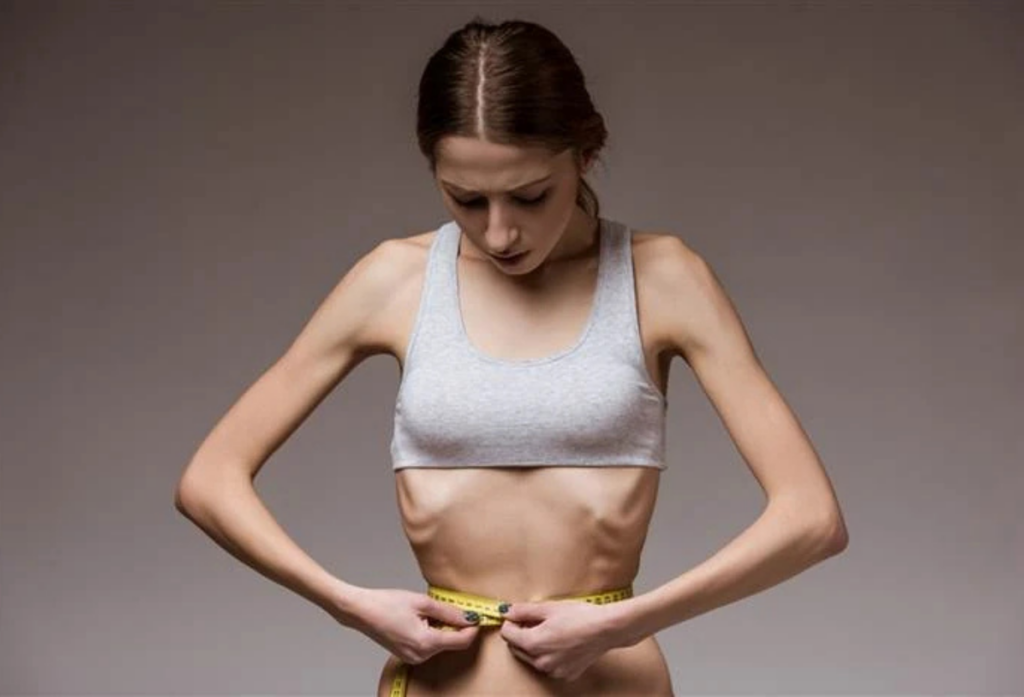
A lot of what people call “side effects” are also classic signs of under-eating.
- Fatigue
- Dizziness
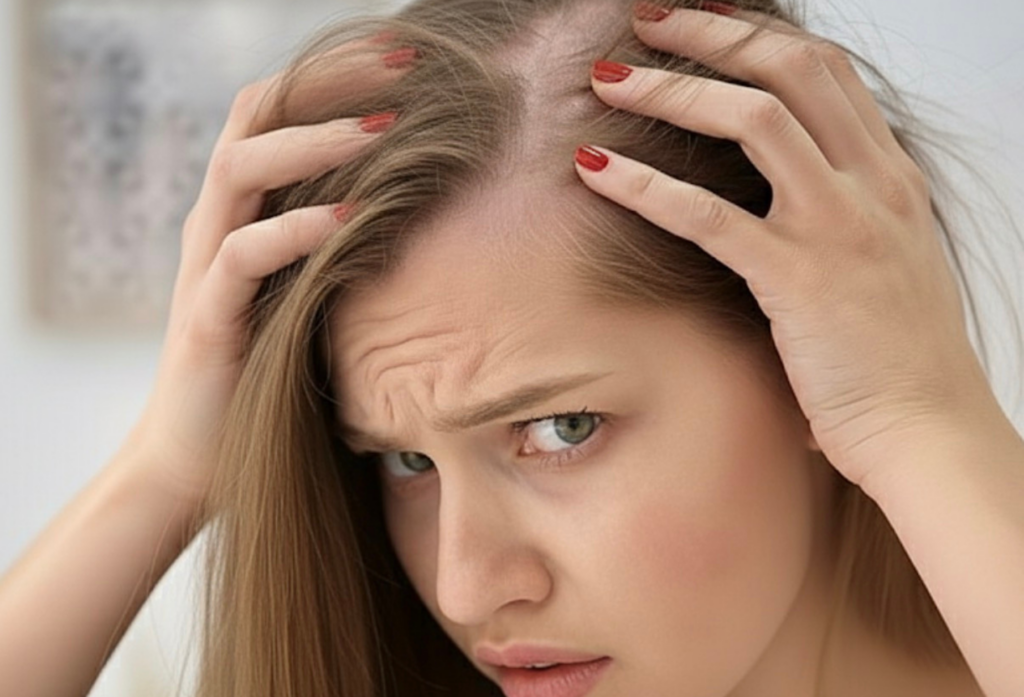
- Hair shedding
- Constipation
- Anxiety
- Muscle loss
- Dehydration
Some of that can be medication-related. And some of it is because you’re not eating enough to keep a human body functioning. Just because you’re not hungry doesn’t mean you don’t need fuel.
Why This Is Especially Risky for Women
Because women have been taught our entire lives that smaller is better. So when a medication quiets appetite, for some women, that doesn’t feel like “freedom.” It feels like control. And that can be a slippery slope if you have a history of disordered eating… even years ago.
Here’s the thing…A lot of providers and online prescribers are not screening hard enough for that risk. And a lot of online culture is straight-up romanticizing not eating. We’re making jokes about malnourishment. That’s not edgy. That’s dangerous.
So What Do We Do About It?
We stop pretending the only two options are to stay stuck, or take the highest dose and stop eating.
There’s a middle ground. And it looks like being informed… supported… and honest about what you actually need.
What To Do If You’re Already on a GLP-1
Print this. Screenshot it. Tattoo it on your Stanley cup.
Your “Don’t-Ruin-Your-Body” Checklist
Talk to a real provider.
Not a chat box. Not a questionnaire. Someone who knows your history and will monitor you.
Protect your muscle like it’s your job.
Muscle is the metabolism support system. If you lose it, you don’t just look “smaller”… you get weaker.
Prioritize protein.
If you can’t eat much, protein gets first dibs.
Strength train.
Not as punishment. As protection. It's not just your muscles, it's your bones that need protecting.
Hydrate on purpose.
A lot of people “forget” to drink. Your body doesn’t find that cute.
Track rate of loss.
If you’re dropping weight very rapidly, that’s a flashing warning sign… not a gold medal.
Watch your brain, not just the scale.
If old thoughts are coming back… obsession, restriction, “high” from not eating… take it seriously.
Have an exit plan.
Ask: “What does titrating down look like for me?” If a provider can’t answer that clearly… that’s a problem.
FAQ
Is “scary skinny” actually trending again?
It sure looks like it. Between social media content, celebrity weight loss, and GLP-1 accessibility, the “smaller is better” vibe is loud right now.
Are there any natural alternatives?
Yes, there are many supplements and foods that can increase your GLP-1 naturally. Here are 8.
Are GLP-1 medications bad?
No. They can be incredibly helpful and medically appropriate for many people. The issue is how casually they’re being marketed and used, especially for minor weight loss.
Can GLP-1s trigger disordered eating?
They can be risky for anyone with a current or past history of disordered eating patterns… and that risk deserves real screening and informed consent.
Why am I losing muscle on a GLP-1?
Often it’s a combo of not eating enough protein or overall calories, losing weight too fast, and skipping the weights.
What’s the safest way to use a GLP-1 if I’m prescribed one?
Medical supervision, slow and steady loss, enough protein, hydration, strength training, and an actual plan for maintenance and/or titration down.
I’ll leave you with this…
I’m all for science, options and even for doing hard things to feel better in your body. What I’m not okay with is us pretending that not eating is a glow-up… or that extreme thinness is somehow progress.
We already lived through that era. It didn’t end well.
If a GLP-1 is the right tool for you, amazing—use it wisely, with guardrails and support. But if you’re feeling pressure to get smaller just because everyone else is? That’s not health.
Just because something is trending doesn’t mean it’s true. And just because you can shrink doesn’t mean you should.
You deserve health that lasts longer than a moment online.
-Chalene
P.S. Just in case you're interested in my program for midlife weight loss (done through proper nutrition, weight training and hormone mastery), check out Phase It.