What Is Ketamine Therapy? I Tried It. Here's What You Need to Know
So I've been sitting on this one for a minute… because saying it out loud publicly felt a little risky. But here we go.
I tried ketamine therapy.
Medically supervised. Physician-approved. Not recreational. Actual, clinical, science-backed treatment, and I'm going to tell you everything about it. The good, the uncomfortable, and the part that made me cry in my car afterward for reasons I didn't fully expect.
I've gotten some online haters for sharing. But those people are misinformed, so I'm setting the record straight.
No, I didn't disappear into the desert wearing linen and talking to crystals. Mine was actual physician-supervised treatment designed to help with mental health, emotional patterns, trauma, anxiety, and neuroplasticity.
And before anybody jumps to conclusions… no, I’m not saying ketamine is some miracle cure. But I am saying the experience forced me to confront some things about myself that years of productivity hacks, therapy, achievement, self-help books, and overthinking hadn’t fully changed.
Why Ketamine Therapy Is Suddenly Everywhere
If it feels like ketamine blew up overnight… kind of did. Searches for ketamine therapy have exploded over the last few years, and honestly? It makes total sense when you look at what's actually going on.
According PubMed, women are significantly more likely than men to be prescribed antidepressants, with the highest usage rates among adults ages 40 to 59. That's us, by the way. Hi.
At the same time:
- Burnout is at an all-time high
- Anxiety rates keep climbing
- Loneliness is actually increasing (wild, given how “connected” we all supposedly are)
- PTSD diagnoses are rising
- And a lot of women are emotionally exhausted… despite doing all the “right” things
So it tracks that people are looking for something different. Ketamine clinics have rapidly expanded across the U.S., and researchers are actively studying it for treatment-resistant depression, PTSD, chronic pain, anxiety, trauma, and suicidal ideation.
This isn't fringe anymore. The medical world is taking it seriously.
Okay But… What Is Ketamine Therapy, Actually?
Here's the thing… ketamine has been around since the 1960s. It was originally developed as an anesthetic. You've probably heard of it in other contexts. But what's happening now in mental health treatment is a completely different conversation.
Unlike traditional antidepressants that primarily target serotonin, ketamine affects glutamate, a neurotransmitter that plays a huge role in learning, memory, and neuroplasticity.
Translation? Researchers believe ketamine may temporarily help the brain become more adaptable. Less rigid. Less trapped in the same loops it's been running on autopilot for years.
According to Harvard Health, ketamine may offer rapid antidepressant effects in ways that conventional medications simply don't…including for people who haven't responded to anything else. Some studies show improvements within hours or days instead of the weeks we're used to waiting with traditional antidepressants.
That's a pretty big deal.
The NIH has documented rapid antidepressant effects in many patients with treatment-resistant depression. And the FDA actually approved a version called Spravato (esketamine nasal spray) specifically for treatment-resistant depression, which means this isn't just anecdotal wellness content. The FDA approved it because the research became impossible to ignore.
Why I Became Interested In It
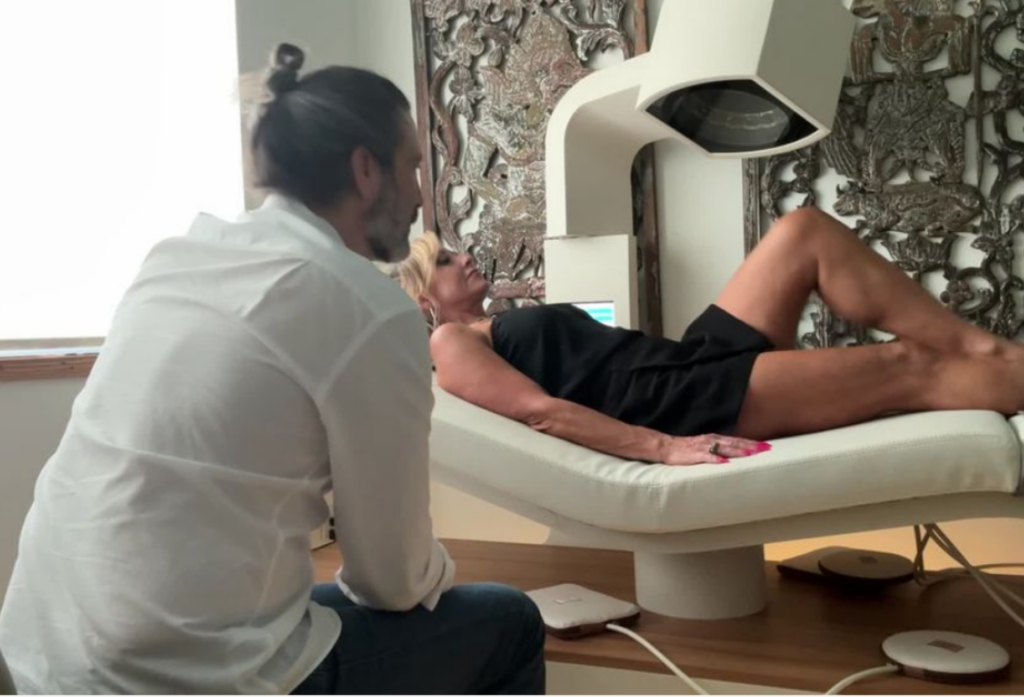
I work with a psychiatrist and physician (“Dr. Malibu Jesus” as we like to call him) who takes a really holistic approach to mental health and neuroplasticity work. And when we started talking about ketamine therapy, what fascinated me most wasn't even the depression research.
It was the conversation around patterns.
The idea that some of us become so deeply wired for overthinking, control, hypervigilance, people-pleasing, and emotional guarding… that even when we know what needs to change, our nervous system keeps replaying the same loops anyway.
That hit me. Hard.
Because let's be real, I know I struggle with letting go. I know I over-function. I know my brain is basically a browser with 47 tabs open at all times, and “rest” is a concept I intellectually understand but physically resist.
And here's what the research suggests: the brain does have neuroplasticity. You can literally change the grooves. You can stop falling into the same emotional potholes. Not by willpower or a really good planner, but by creating actual, structural change in how your brain processes and responds.
That's what got me curious enough to try it.
My First Session Was… Not What I Expected
I wish I could tell you I immediately floated into some beautiful, peaceful, spiritual breakthrough. Nope.
The first treatment was lighter — intentionally so — which meant I was mentally aware the entire time. And my brain absolutely did not cooperate. I spent the whole session thinking:
- “Am I doing this right?”
- “Am I breathing weird?”
- “Do I look ridiculous right now?”
- “What if I'm the one person this doesn't work on?”
Which sounds completely unhinged in retrospect. But afterward, during my integration session, my doctor basically pointed out that my inability to surrender control… was literally the whole issue we were trying to address.
Cool. Great. Very on-brand for me.
The Second Session Was a Different Planet
Okay so. The second treatment had a higher dose. And this time, I genuinely couldn't stay “in control” the same way. My brain didn't have a choice but to let go. And it was… beautiful.
I know how that sounds. But it was genuinely peaceful. Warm. Connected. Safe in a way that's hard to describe without sounding like a motivational poster, which I refuse to be.
Afterward, I told Brett that I felt less afraid of death; not in a scary way, not in a “plan something concerning” way…just in a quiet, calm, everything is okay kind of way. The experience shifted something emotionally that I hadn't been able to move in years of overthinking, journaling, and very expensive therapy.
The Cleveland Clinic describes ketamine therapy experiences as varying widely. Some people report dissociation, emotional release, vivid imagery, deep calm, or introspection. That checks out. Every session is different. Every person is different.
The Side Effects Nobody Posts About
Here's what social media skips over: the day after.
I felt groggy. Slow. Emotionally tender. Mentally foggy. Frustrated that I couldn't immediately jump back into work at full intensity the next morning.
And the thing that upset me most? Was not being able to perform at 100% productivity the very next day.
Which… told me everything I needed to know about how deep my wiring around output and control actually goes. The experience didn't just crack something open; it held up a mirror. And the reflection was like, oh. Oh, this is the work.
Who Is Ketamine Therapy Actually For?
Let's be clear: ketamine therapy is not for everyone. And anyone who tells you otherwise is not being honest with you.
It's most commonly studied and used for:
- Treatment-resistant depression (meaning traditional antidepressants haven't worked)
- Anxiety disorders
- PTSD and trauma processing
- Chronic pain
- Obsessive thought patterns
But it's not appropriate for people with:
- Uncontrolled high blood pressure
- Psychosis or schizophrenia
- Active substance abuse disorders
- Certain cardiovascular conditions
- Unmanaged bipolar disorder
This is exactly why medical supervision is non-negotiable. A legitimate provider should do a thorough review of your medical history, psychiatric history, medications, trauma history, physical health, and treatment goals before anything happens. If someone is willing to skip that step… walk away.
At-Home Ketamine vs. In-Clinic Treatment
This is becoming a massive conversation right now. You've probably seen ads for ketamine tablets or lozenges that can be prescribed remotely. Some telehealth companies doing this are legitimate.
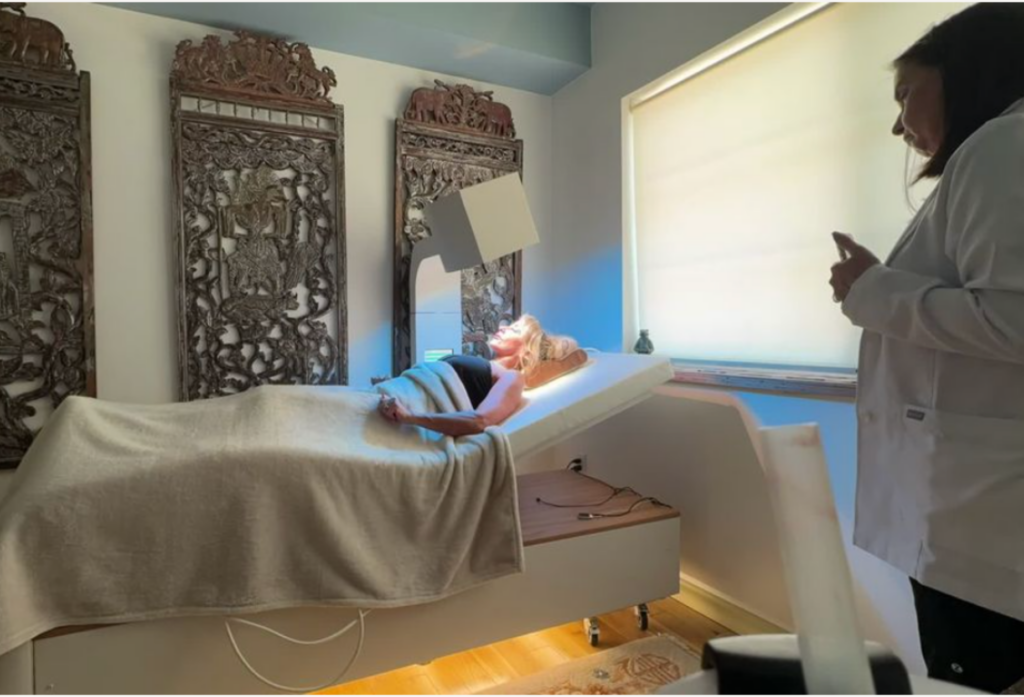
But here's the thing… there is a real difference between taking ketamine at home alone and doing medically supervised treatment with therapeutic support and integration work afterward.
The integration piece might matter just as much as the ketamine itself.
Why Integration Is the Actual Work
This is the part that gets glossed over in the wellness content cycle. Ketamine alone isn't the magic. The real work happens after, in what you do with the window that opens.
That's why many clinics combine ketamine sessions with:
- Psychotherapy
- Nervous system regulation work
- Journaling and reflection
- Behavioral therapy
- Trauma processing
Because here's the neuroplasticity piece: if the treatment temporarily makes your brain more open to new patterns… what you reinforce in that window is what sticks. Otherwise you slide right back into the same grooves.
The session cracks the door. The integration work walks you through it.
The Bigger Conversation We Should Be Having
I'm not here to tell you to go do ketamine therapy. Seriously. That's between you and a doctor who actually knows your history.
But what I am saying is this: the reason so many women are suddenly seeking out alternatives isn't because they're reckless or trendy. It's because they're exhausted. Because they've done the therapy, read the books, taken the supplements, tracked the macros, optimized the sleep… and something still isn't shifting.
And for a lot of us (especially women in midlife navigating hormonal chaos on top of everything else) the emotional loops we've been running for decades aren't just “mindset stuff.” They're, physiological, and deeply wired in.
The conversation around ketamine therapy is forcing medicine to take that seriously. And honestly? It's about time.
FAQs
Is ketamine therapy FDA approved? Ketamine itself is FDA-approved as an anesthetic. Most mental health applications are considered off-label use. However, Spravato (esketamine nasal spray) is FDA-approved specifically for treatment-resistant depression.
What does ketamine therapy actually feel like? It varies by person and dose. Some people experience dissociation, deep calm, vivid imagery, emotional release, or a sense of profound connection. First sessions tend to be lighter and more mentally aware. Higher doses create a more immersive experience.
How quickly does ketamine therapy work? Some patients report symptom improvements within hours or days, a significant difference from traditional antidepressants, which can take weeks to show effects.
Is ketamine therapy addictive? Ketamine does have abuse potential when misused recreationally. This is exactly why legitimate, medically supervised treatment is critical. The clinical setting, dosing, and monitoring exist for a reason.
What are the side effects of ketamine therapy? Possible side effects include nausea, dizziness, elevated blood pressure, dissociation during treatment, headaches, grogginess, and emotional fatigue in the days after. Everyone responds differently.
Is ketamine therapy right for me? That's a conversation for you and a qualified physician; ideally one who specializes in psychiatry or integrative mental health. Do the research. Ask the hard questions. Don't let anyone rush you. (This is where I go and who I see).
Let me know if you've tried it in the comments below!
Love you. Mean it. xo
Chalene